

Working Principle and Features of Positive Electrode Material Powder Conveying System
At Shandong HeadPowder Engineering Co., Ltd., we specialize in the design and implementation of advanced powder conveying systems tailored for the handling of positive electrode materials in lithium-ion battery production. Our systems are engineered to ensure efficient, safe, and reliable transport of these critical materials, which are essential for the manufacturing of high-performance batteries. This article will delve into the working principles and key features of our powder conveying systems, providing a comprehensive understanding of how they operate and the advantages they offer.
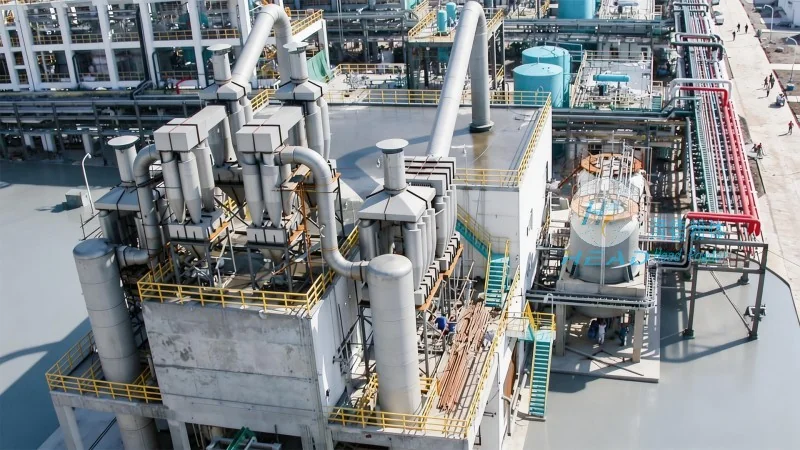
The core working principle of our positive electrode material powder conveying system revolves around the use of specialized equipment to transport fine powders, such as those used in lithium battery cathode production. The system typically integrates components like feeders, conveyors, and control units to manage the flow of material from storage to processing equipment. The process begins with the material being loaded into a hopper or storage silo. From there, a feeder mechanism, often a rotary valve or a screw feeder, regulates the flow rate of the powder into the conveying line. This controlled feeding is crucial to prevent overloading and ensure consistent material delivery.
Once the material is fed into the conveying line, it is transported through a series of pipelines or ducts. The conveying method can vary depending on the system design, with common options including pneumatic conveying (air-assisted) or mechanical conveying (e.g., screw or belt conveyors). Pneumatic systems use compressed air to move the powder particles, while mechanical systems rely on physical movement of the material along the conveyor. In our systems, we often employ a combination of these methods to optimize efficiency and minimize material degradation. The conveying process is carefully controlled to maintain the integrity of the powder, preventing issues like agglomeration or particle breakdown that could affect battery performance.
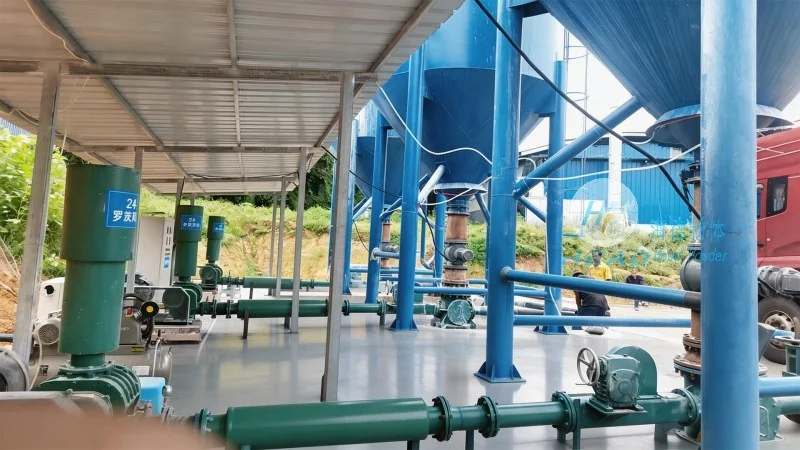
Control systems play a vital role in the operation of our powder conveying systems. Advanced automation and monitoring technologies are integrated to regulate the flow rate, pressure, and temperature within the system. Sensors and feedback mechanisms ensure that the system operates within safe parameters, detecting any deviations or blockages in real-time. This level of control not only enhances operational efficiency but also improves safety by preventing accidents related to powder handling. The control unit typically communicates with other production equipment, such as mixing or coating machines, to synchronize the material flow and maintain a smooth production line.
One of the key features of our positive electrode material powder conveying system is its high degree of automation. The entire process, from material loading to discharge, is managed with minimal human intervention, reducing the risk of human error and improving consistency. This automation also allows for precise control over the material's properties, such as moisture content and particle size distribution, which are critical for battery performance. Our systems are designed to meet the stringent quality standards required in the battery manufacturing industry, ensuring that the positive electrode materials are handled with the utmost care.
Another notable feature is the system's flexibility and adaptability. We understand that different production lines may have varying requirements, and our systems can be customized to accommodate specific material types, production volumes, and space constraints. Whether for small-scale laboratory testing or large-scale industrial production, our solutions can be tailored to meet the unique needs of each client. This adaptability makes our systems suitable for a wide range of applications in the battery industry.
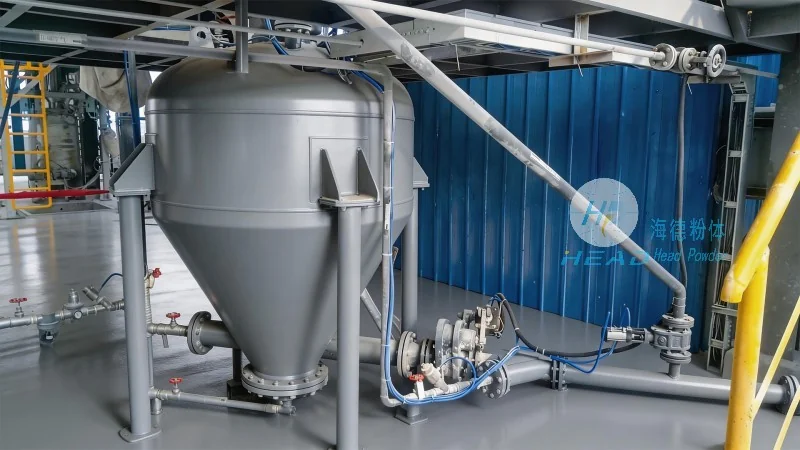
Reliability and durability are also paramount in our powder conveying systems. The components are constructed from high-quality materials, such as stainless steel and corrosion-resistant alloys, to withstand the harsh conditions of powder handling. Regular maintenance and quality assurance procedures are implemented to ensure the longevity and performance of the equipment. Our systems are designed for continuous operation, with minimal downtime, which is essential for maintaining production efficiency and meeting tight deadlines in the battery manufacturing sector.
In summary, the working principle of our positive electrode material powder conveying system involves a controlled feeding mechanism, efficient conveying methods, and advanced control systems to transport positive electrode materials safely and effectively. The key features include automation, flexibility, reliability, and adherence to industry standards. By leveraging these principles and features, our systems contribute to the production of high-quality lithium-ion batteries, supporting the growth of the battery industry and meeting the increasing demand for energy storage solutions.