

Working Principle and Features of Glass Fiber Powder Conveyors
For industrial applications involving the handling of glass fiber powders, the selection of an appropriate conveyor system is crucial for ensuring efficiency, safety, and product integrity. The glass fiber powder conveyor, as a specialized piece of equipment, is designed to address the unique challenges posed by this material. This article, produced by Shandong HeadPowder Engineering Co., Ltd. (commonly known as headpowder), will delve into the working principle and key features of such conveyors, providing a comprehensive overview for professionals in the field.
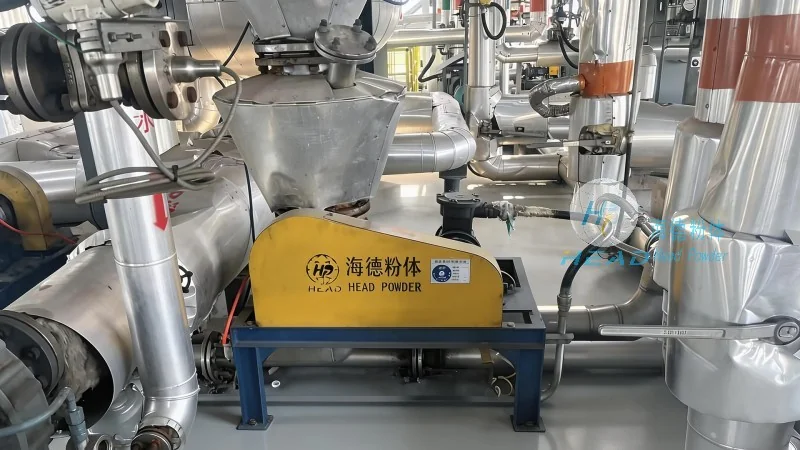
Working Principle of Glass Fiber Powder Conveyors
The core mechanism of a glass fiber powder conveyor typically involves a combination of mechanical components that work in tandem to transport the material from one location to another. At its essence, the system operates by utilizing a driving force to move a conveying medium, such as a belt, screw, or pneumatic tube, which carries the glass fiber powder through the system. The driving mechanism, often powered by electric motors, provides the necessary energy to overcome friction and gravity, ensuring consistent material flow.
One common type of glass fiber powder conveyor is the screw conveyor, which employs a rotating helical screw to push the material forward. As the screw rotates, it creates a continuous motion that propels the glass fiber powder along the length of the conveyor. This design is particularly effective for materials with a free-flowing nature, as it minimizes the risk of blockages and ensures a steady flow rate. Another variant is the belt conveyor, which uses a continuous belt to transport the material. The belt is supported by rollers and guided by idlers, allowing it to move the glass fiber powder efficiently over longer distances. In both cases, the system is equipped with inlet and outlet hoppers to facilitate the loading and unloading of the material, ensuring a seamless operation.
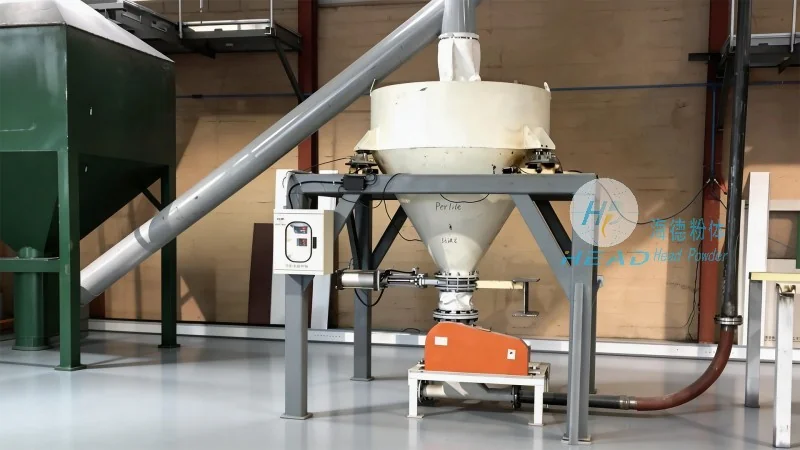
Pneumatic conveyors are also utilized for glass fiber powders, especially in applications requiring high flexibility or the need to transport materials over vertical or inclined paths. These systems use compressed air to create a flow of air that carries the powder through a pipeline. The air pressure and velocity are carefully controlled to maintain a consistent flow rate and prevent material degradation. The use of air as the conveying medium also helps to minimize dust emissions and maintain a clean working environment.
Key Features of Glass Fiber Powder Conveyors
When evaluating glass fiber powder conveyors, several key features stand out as critical for optimal performance. Firstly, the material of construction is a significant consideration. Glass fiber powders are abrasive and can cause wear on conventional conveyor components. Therefore, conveyors are typically manufactured using corrosion-resistant and wear-resistant materials, such as stainless steel or specialized alloys, to ensure longevity and minimal maintenance. This feature is essential for maintaining the structural integrity of the equipment and preventing premature failure.
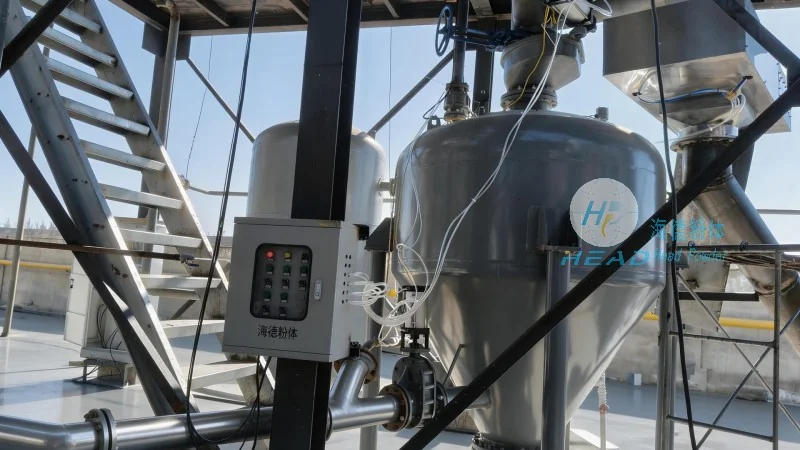
Secondly, the design of the conveying system must accommodate the unique properties of glass fiber powders. These materials are often fine and can generate static electricity, which may lead to material buildup or electrostatic discharge. Conveyors are equipped with anti-static features, such as grounding mechanisms or conductive materials, to mitigate these risks and ensure safe operation. Additionally, the system is designed to minimize dust generation and provide effective containment, as glass fiber powders can be hazardous if inhaled or if they become airborne. Features like sealed hoppers and enclosed conveyor sections help to maintain a clean and safe working environment.
Thirdly, the system's ability to handle varying flow rates and material loads is a crucial feature. Glass fiber powder applications often require the ability to adjust the conveyor speed or capacity to match production demands. Modern conveyors are equipped with variable speed drives and adjustable feed mechanisms, allowing operators to optimize the flow rate based on the specific requirements of the process. This flexibility ensures that the system can adapt to different production scenarios without compromising efficiency.
Furthermore, the integration of monitoring and control systems is a key feature that enhances operational efficiency. Many glass fiber powder conveyors are equipped with sensors and control panels that allow for real-time monitoring of the system's performance. These systems can detect issues such as blockages, overloads, or abnormal flow rates, and trigger alerts or automatic shutdowns to prevent damage to the equipment or product contamination. This feature not only improves safety but also reduces downtime and maintenance costs.
Applications and Benefits
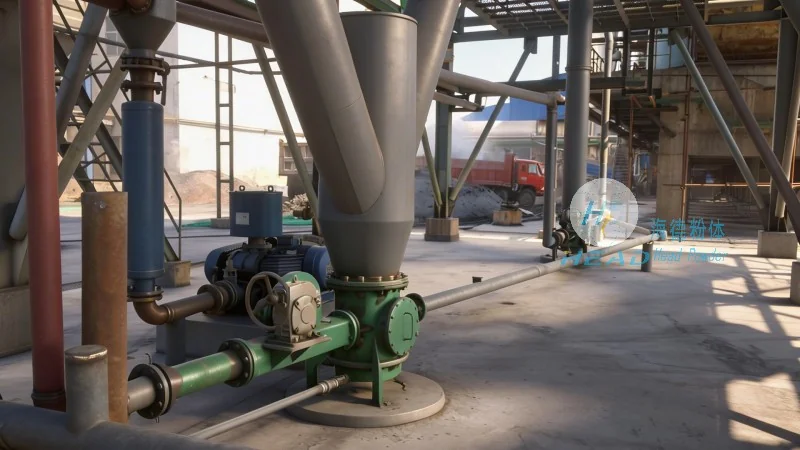
Glass fiber powder conveyors find widespread application in various industries, including manufacturing, construction, and aerospace. In manufacturing, they are used to transport glass fiber powders for the production of composite materials, where consistent material quality is essential. The ability of these conveyors to maintain a steady flow rate and minimize material degradation ensures that the final product meets the required specifications. In construction, they are utilized for the handling of glass fiber-reinforced materials, which are used in the production of building components and insulation products. The efficient transport of these materials helps to streamline production processes and reduce labor costs.
The benefits of using glass fiber powder conveyors extend beyond operational efficiency. By minimizing material waste and reducing the risk of contamination, these systems help to improve overall product quality. The enclosed design of the conveyor also helps to maintain a clean working environment, which is particularly important in industries where dust and particles can affect product performance or worker health. Additionally, the energy-efficient design of modern conveyors contributes to cost savings and environmental sustainability, making them a preferred choice for many manufacturers.