

Working Principle and Features of Gypsum Powder Material Conveying Lines
For industrial applications involving the handling of gypsum powder, efficient and reliable material conveying systems are essential. The gypsum powder material conveying line, developed by Shandong HeadPowder Engineering Co., Ltd., is a specialized solution designed to meet the demands of modern processing facilities. This article explores the working principle and key features of this system, providing insights into its functionality and benefits.
Company Background and Expertise
Shandong HeadPowder Engineering Co., Ltd., commonly known as headpowder, is a leading manufacturer in the field of material handling equipment. With a strong presence in China, particularly in Shandong province, the company has built a reputation for delivering high-quality, customized solutions tailored to the specific needs of clients. The company's expertise lies in the design, manufacturing, and installation of conveying systems for various bulk materials, including gypsum powder. This background enables headpowder to offer systems that are both efficient and durable, ensuring long-term performance in demanding industrial environments.
Working Principle of the Gypsum Powder Conveying Line
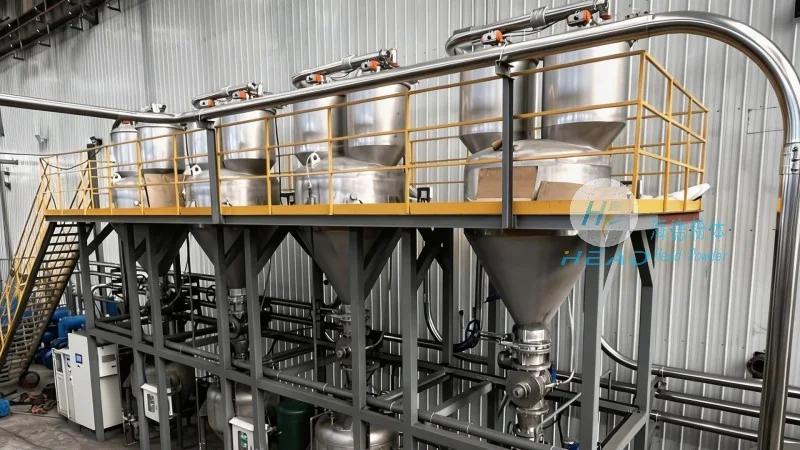
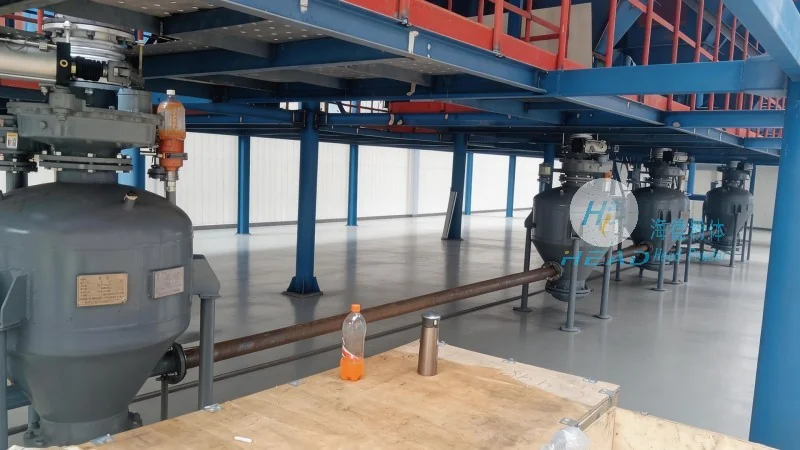
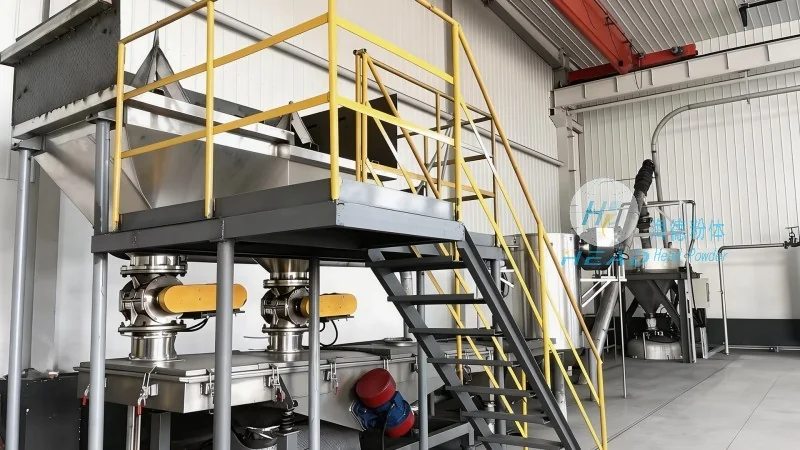
The gypsum powder material conveying line operates on a principle of continuous material transport, utilizing a combination of mechanical components to move the powder from one location to another. The system typically starts with a hopper or storage bin where the gypsum powder is collected. From there, the material is fed into a conveyor, which may be a screw conveyor, belt conveyor, or pneumatic conveyor, depending on the specific requirements of the application. The screw conveyor, for instance, uses rotating screws to push the powder forward, while a belt conveyor relies on a moving belt to transport the material. In some cases, a pneumatic conveyor uses air pressure to move the powder through a pipeline. The choice of conveyor type is determined by factors such as the material's properties, the distance to be covered, and the desired speed of transport. The system is equipped with control mechanisms that regulate the flow rate and ensure consistent operation, preventing blockages or overloading. Additionally, the conveying line may include features like vibration feeders to ensure a steady supply of material to the conveyor, and discharge hoppers to direct the powder to the next processing stage. The entire process is designed to be seamless, minimizing downtime and maximizing productivity.
Key Features and Advantages
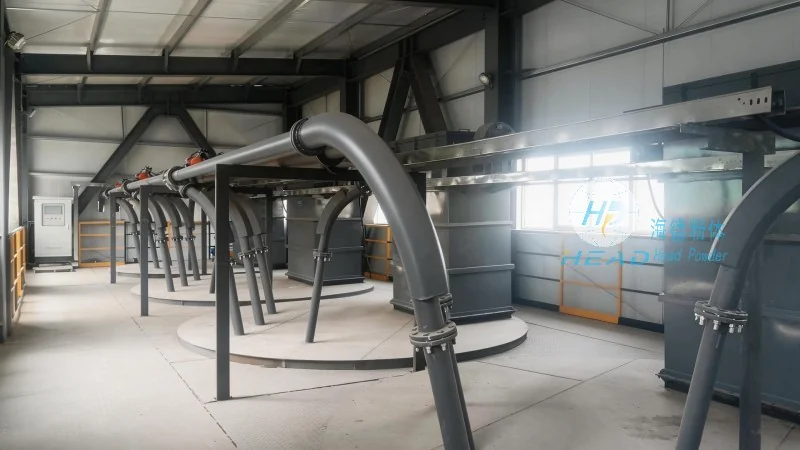
The gypsum powder material conveying line offered by headpowder is characterized by several key features that enhance its performance and reliability. One of the primary advantages is its ability to handle fine powders without causing dust accumulation or blockages. The system incorporates dust control measures, such as sealed conveyor sections and dust collection systems, to maintain a clean and safe working environment. This is particularly important in applications where dust can be a health hazard or interfere with downstream processes. Another notable feature is the system's adaptability, which allows it to be customized to suit different production scales and operational requirements. Whether for small-scale operations or large industrial plants, the conveying line can be scaled to meet the needs of the client. The system also features easy maintenance and cleaning capabilities, with components that can be easily accessed and serviced. This reduces downtime and maintenance costs over the system's lifespan. Furthermore, the use of high-quality materials in the construction of the conveying line ensures durability and resistance to corrosion, which is crucial for handling gypsum powder that may be abrasive or contain moisture. The system's energy efficiency is another significant advantage, as it is designed to minimize power consumption while maintaining optimal performance. This not only reduces operational costs but also aligns with environmental sustainability goals. The integration of advanced control systems allows for real-time monitoring and adjustment of the conveying process, ensuring optimal performance and preventing issues before they occur. Overall, the gypsum powder material conveying line from headpowder combines efficiency, reliability, and durability, making it an ideal choice for industrial applications.
Application Scenarios and Benefits
The gypsum powder material conveying line is widely used in various industries, including construction, pharmaceuticals, and food processing. In the construction industry, it is commonly employed in the production of gypsum boards and other building materials, where the efficient transport of raw gypsum powder is critical to the manufacturing process. The system ensures that the powder is delivered to the mixing and processing stages without any loss or contamination. In the pharmaceutical industry, the conveying line is used to transport gypsum powder for the production of medical products, where the purity and consistency of the material are paramount. The system's dust control features and hygienic design help maintain the required standards. Similarly, in the food industry, the conveying line is used to transport gypsum powder used as a food additive, ensuring that the material is handled in a clean and safe manner. The benefits of using this system extend beyond just material transport. By improving the efficiency of the production process, the conveying line helps reduce labor costs and increase overall productivity. The reduced downtime due to fewer blockages and easier maintenance also contributes to cost savings. Additionally, the system's ability to handle fine powders without causing dust issues enhances workplace safety and compliance with environmental regulations. In summary, the gypsum powder material conveying line from Shandong HeadPowder Engineering Co., Ltd. offers a comprehensive solution for the efficient and reliable handling of gypsum powder, providing significant benefits to industrial operations.