

Working Principle and Characteristics of Large-Scale Bulk Material Pneumatic Conveying
Large-scale bulk material pneumatic conveying systems are essential in modern industrial operations, enabling efficient and reliable transportation of various materials through the use of air or gas as the conveying medium. This technology has become a cornerstone in sectors such as mining, chemicals, food processing, and pharmaceuticals, where the handling of bulk solids requires precision, speed, and minimal contamination. Understanding the working principle and key characteristics of these systems is crucial for selecting the right solution for specific industrial applications.
Working Principle of Large-Scale Pneumatic Conveying Systems
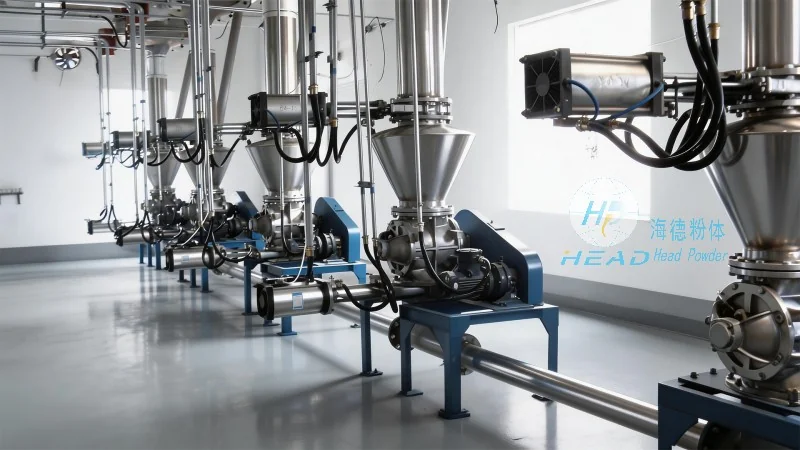
The core of large-scale pneumatic conveying systems lies in the fundamental principle of transporting solid particles by suspending them in a moving air stream. The process typically involves several key components and steps that work in tandem to achieve efficient material transfer. At the heart of the system is a conveying line, which is a sealed pipe or duct through which the material is transported. The system begins with a feeding device, such as a rotary valve or a hopper, that introduces the bulk material into the conveying line. This material is then mixed with a high-velocity air stream, creating a dense or dilute phase flow, depending on the system design and material properties.
The air stream, often generated by a blower or compressor, provides the necessary kinetic energy to lift and move the particles. In dense phase systems, the air-to-material ratio is low, resulting in a slower, more stable flow that minimizes particle degradation and reduces wear on equipment. Conversely, dilute phase systems use a higher air-to-material ratio, leading to faster transport but potentially higher energy consumption and greater wear. The choice between these two phases depends on factors like material characteristics, distance, and required flow rate.
As the material travels through the conveying line, it may encounter diverters, bends, or expansion chambers that help maintain the flow and prevent blockages. These components are designed to handle the dynamic forces and pressure changes within the system. At the receiving end, a separator or cyclone is used to separate the material from the air stream, allowing the material to be deposited into a storage bin or processing unit. The air, now clean of particles, is either filtered and recirculated or released into the environment, depending on the system's design and environmental regulations.
Key Characteristics of Large-Scale Pneumatic Conveying Systems
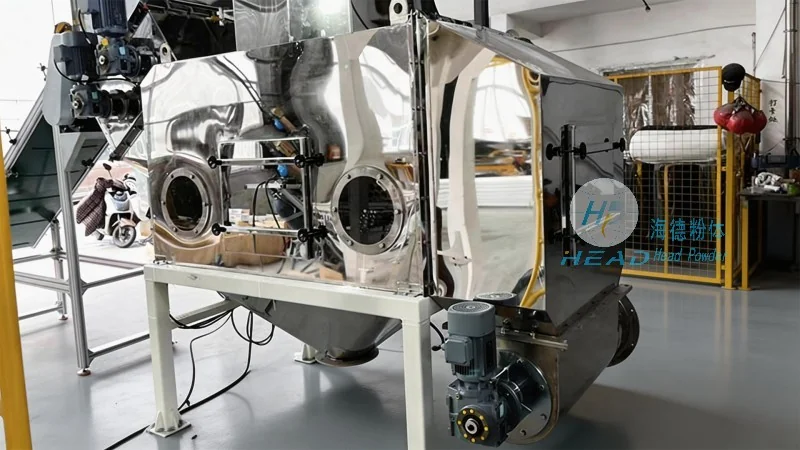
Large-scale pneumatic conveying systems exhibit several distinct characteristics that make them suitable for diverse industrial applications. These features are tailored to address the specific challenges of handling bulk materials in various environments and processes.
1. Versatility in Material Handling One of the most significant characteristics is the ability to handle a wide range of materials, from fine powders to large, irregularly shaped particles. The system's design can be adapted to accommodate different particle sizes, densities, and flow properties. For example, in the food industry, systems are often designed to handle hygienic materials, while in mining operations, they may need to handle abrasive or corrosive substances. This versatility allows companies to use a single system for multiple applications, reducing capital and operational costs.
2. Minimal Material Contamination Pneumatic conveying systems are inherently clean, as the material is transported in a sealed environment. This is particularly important in industries where contamination can have severe consequences, such as pharmaceuticals or food processing. Unlike mechanical conveying methods, which may introduce dust or debris into the material stream, pneumatic systems keep the material isolated from external contaminants, ensuring product quality and compliance with regulatory standards.
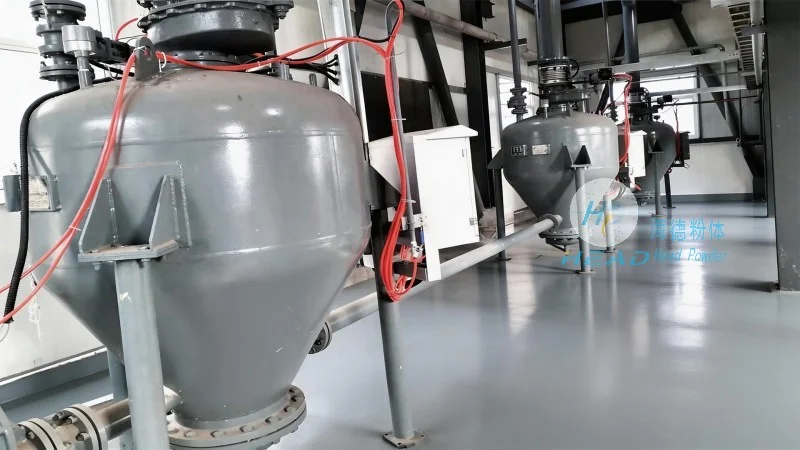
3. Energy Efficiency and Cost-Effectiveness While the initial investment in a large-scale pneumatic conveying system may be higher than some mechanical alternatives, the long-term operational costs are often lower. The system's energy efficiency, especially in dense phase operation, reduces electricity consumption and lowers overall operating expenses. Additionally, the reduced need for maintenance due to fewer moving parts compared to mechanical conveyors contributes to lower maintenance costs over the system's lifespan.
4. Scalability and Customization Large-scale pneumatic conveying systems are highly scalable, allowing them to be designed for small-scale operations as well as massive industrial plants. Companies can customize the system's components, such as the blower size, conveying line diameter, and separator type, to meet specific requirements. This flexibility enables businesses to adapt to changing production needs or expand their operations without significant modifications to the existing infrastructure.
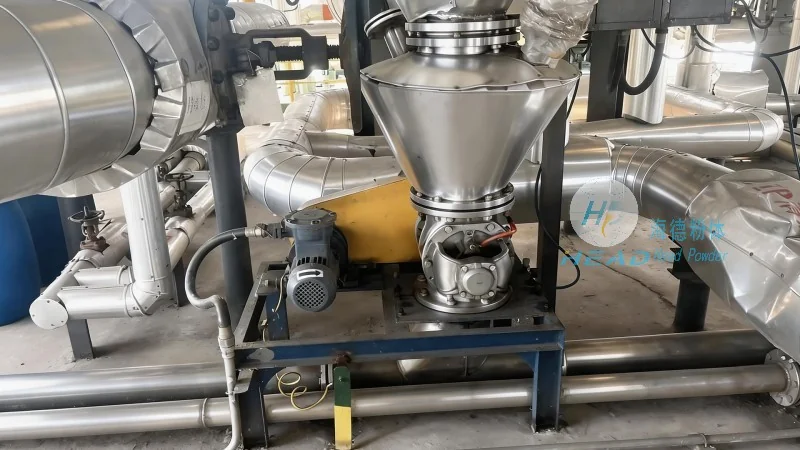
5. Reduced Labor and Space Requirements Pneumatic conveying systems often require less manual labor compared to traditional methods, as the process is largely automated. The sealed nature of the system also reduces the need for large open spaces, making it suitable for facilities with limited floor area. This characteristic is particularly beneficial in urban or densely populated areas where space is at a premium.
Applications and Industries
Large-scale pneumatic conveying systems are widely used across various industries due to their adaptability and efficiency. In the mining sector, they are used to transport ore from mines to processing plants, while in the chemical industry, they handle raw materials and finished products. The food and beverage industry relies on these systems for transporting ingredients like flour, sugar, and spices, ensuring hygiene and product integrity. In the pharmaceutical industry, pneumatic conveying is used to transport active pharmaceutical ingredients (APIs) and other sensitive materials, maintaining strict contamination control. Additionally, in the agricultural sector, they are used to transport grains and other bulk agricultural products from storage to processing facilities.
Conclusion
Large-scale pneumatic conveying systems represent a sophisticated and efficient solution for the transportation of bulk materials in modern industry. By understanding the working principle and key characteristics of these systems, businesses can select the most appropriate technology to meet their operational needs. The versatility, minimal contamination, energy efficiency, and scalability of pneumatic conveying make it an attractive choice for a wide range of applications. As industrial demands continue to evolve, the continued development and refinement of pneumatic conveying systems will play a vital role in enhancing operational efficiency and sustainability across various sectors.