

Principle and Application Characteristics of Continuous Material Feeding Pneumatic Conveying
Continuous material feeding pneumatic conveying systems represent a sophisticated approach to material handling, offering efficient and reliable solutions for various industrial applications. This technology involves the use of a continuous flow of air to transport bulk materials from one location to another, eliminating the need for traditional mechanical components like belts or chains. The core principle revolves around creating a consistent air flow that draws or pushes materials through a pipeline network, ensuring a steady and controlled transfer process.
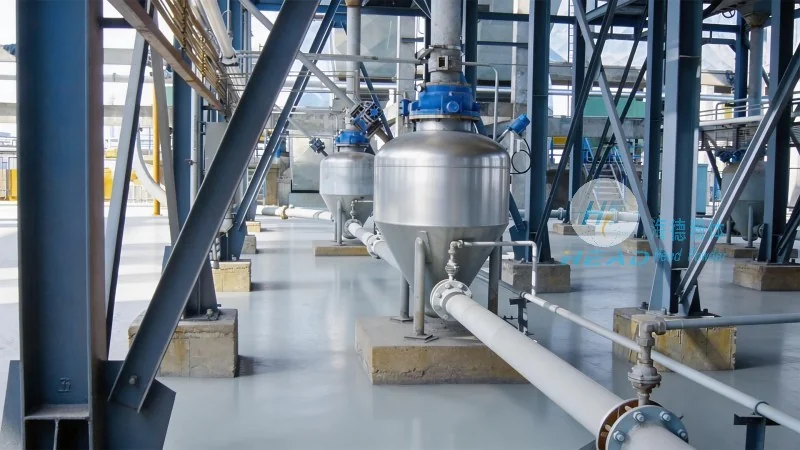
Key Principles of Pneumatic Conveying Systems
The fundamental principle of pneumatic conveying is based on the interaction between air and bulk materials. In a typical system, a fan or blower generates a high-velocity air stream that moves through a pipeline. The material is then introduced into the system, either by gravity or through a feeder device, and is entrained by the air flow. This process allows for the continuous movement of materials without the need for intermittent loading or unloading, which is characteristic of batch systems. The efficiency of this method depends on several factors, including the type of material being conveyed, the system design, and the operating conditions such as air pressure and flow rate.
Components and Working Mechanism
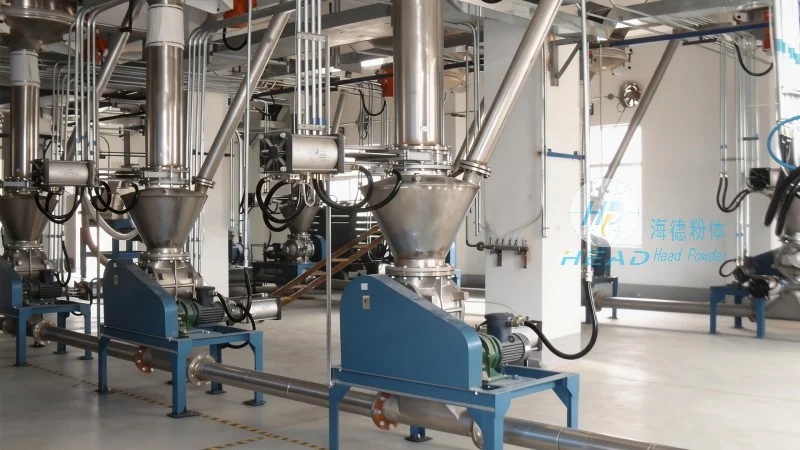
A continuous material feeding pneumatic conveying system consists of several key components that work in tandem to ensure smooth operation. The primary components include a blower or air compressor, a feeder (such as a rotary valve or screw feeder), a pipeline network, and a receiver or discharge unit. The blower provides the necessary air pressure and volume to move the material through the system. The feeder controls the rate at which material is introduced into the pipeline, ensuring a consistent flow rate. The pipeline network connects the feeder to the discharge point, and the receiver collects the material at the end of the system. The working mechanism involves the air stream creating a negative pressure (in suction systems) or positive pressure (in pressure systems) that pulls or pushes the material through the pipeline. This continuous process allows for the seamless transfer of materials over long distances and varying elevations.
Advantages of Continuous Material Feeding Systems
Continuous material feeding pneumatic conveying systems offer several advantages over traditional material handling methods. One of the most significant benefits is the ability to handle a wide range of materials, including powders, granules, and even fine particles, without causing segregation or degradation. The system's design allows for gentle handling, which is crucial for delicate materials that could be damaged by mechanical means. Additionally, continuous systems provide a high degree of flexibility, as they can be easily integrated into existing production lines and adapted to changing production requirements. The lack of moving parts in the conveying line reduces maintenance needs and increases system reliability. Furthermore, these systems can operate in a closed environment, minimizing dust emissions and improving workplace safety. The energy efficiency of continuous pneumatic conveying is also noteworthy, as the system can be optimized to use the minimum amount of air required for effective material transport.
Application Characteristics and Use Cases
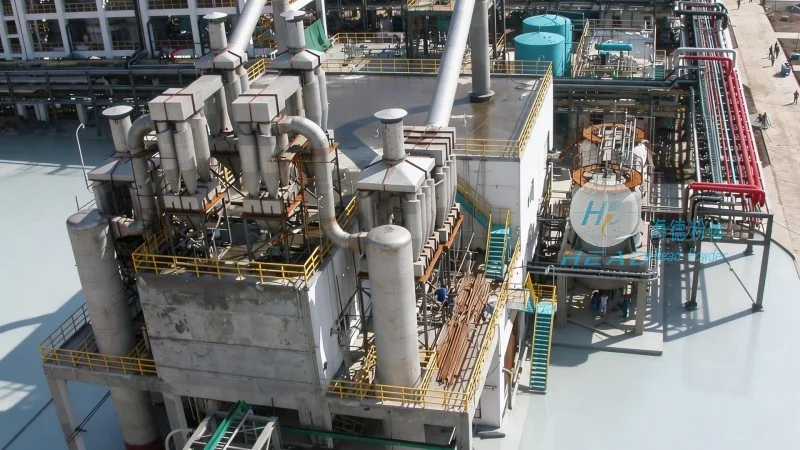
The application characteristics of continuous material feeding pneumatic conveying systems make them suitable for a variety of industrial scenarios. In manufacturing facilities, these systems are commonly used to transport raw materials from storage silos to processing equipment, such as mixers or reactors. In the food and pharmaceutical industries, where hygiene and contamination control are critical, continuous pneumatic conveying systems provide a clean and efficient method for handling ingredients. The system's ability to handle fine powders without clogging or blockages makes it ideal for applications in the chemical and petrochemical sectors. Additionally, continuous systems are used in mining operations to transport ore from processing plants to storage or shipping facilities. The versatility of these systems allows them to be adapted to different industries, including agriculture, where they are used to move grain or other agricultural products. The key application characteristics include the ability to handle materials with varying properties, the capacity to operate over long distances, and the flexibility to integrate with existing infrastructure.
System Design Considerations for Optimal Performance
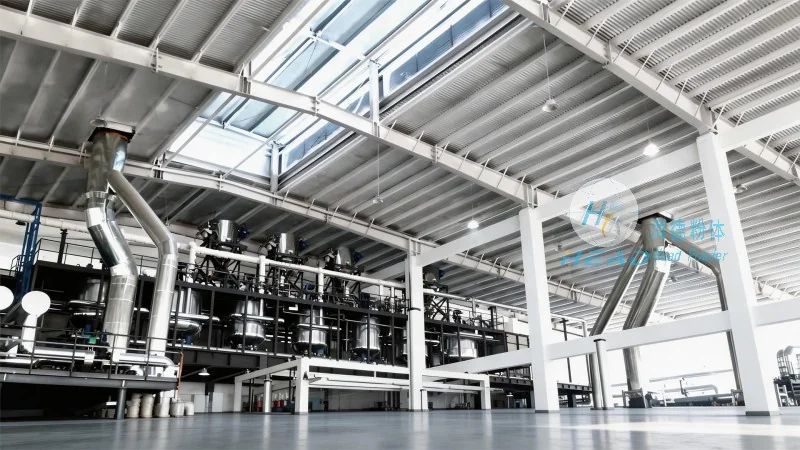
Designing an effective continuous material feeding pneumatic conveying system requires careful consideration of several factors to ensure optimal performance and efficiency. The first consideration is the type of material being conveyed, as different materials have different flow characteristics and require specific system configurations. For example, cohesive or sticky materials may require a higher air velocity or a different feeder design to prevent blockages. The second factor is the system layout, including the length and elevation changes of the pipeline. The design must account for the pressure drop along the pipeline, which increases with distance and elevation, and ensure that the blower provides sufficient pressure to overcome these losses. The third consideration is the system's capacity, which must be matched to the production requirements to avoid bottlenecks or underutilization. The use of appropriate components, such as high-quality blower units and durable pipelines, is also essential to ensure long-term reliability and minimal downtime. Additionally, incorporating features like air filters and moisture control systems can enhance the system's performance and extend the life of the components.
Case Study: Implementation in a Food Processing Plant
As an example of the practical application of continuous material feeding pneumatic conveying systems, consider a food processing plant that handles various ingredients, including flour, sugar, and spices. The plant needed to transfer these materials from storage silos to a central mixing unit without compromising hygiene or causing material degradation. By implementing a continuous pneumatic conveying system, the plant was able to achieve a seamless transfer process. The system was designed with stainless steel components to meet food safety standards and included a rotary valve feeder to control the flow rate of each ingredient. The pipeline network was laid out to minimize the distance between the silos and the mixing unit, reducing the pressure drop and energy consumption. The system operated continuously, ensuring a steady supply of materials to the mixing process. The result was improved efficiency, reduced labor costs, and enhanced product quality. The plant also benefited from the reduced dust emissions and improved workplace safety, as the system operated in a closed environment.