

Principle and Working Scene Characteristics of Nickel Sulfate Crystallization Pneumatic Conveying Ma
HeadPowder, a leading manufacturer in the field of material handling and processing equipment, specializes in providing advanced solutions for the efficient transport of bulk materials. This article focuses on the Nickel Sulfate Crystallization Pneumatic Conveying Machine, an innovative system designed to handle the unique challenges associated with transporting crystalline materials like nickel sulfate. The machine combines cutting-edge pneumatic conveying technology with precise control mechanisms to ensure reliable and efficient material transfer in industrial settings.
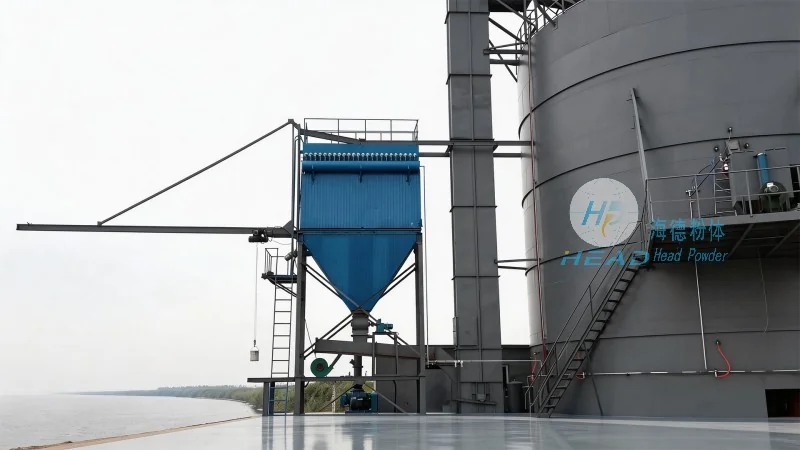
Overview of the Nickel Sulfate Crystallization Pneumatic Conveying Machine
The Nickel Sulfate Crystallization Pneumatic Conveying Machine is engineered to address the specific demands of processing and transporting nickel sulfate crystals. This equipment is part of the broader range of pneumatic conveying systems offered by Shandong HeadPowder Engineering Co., Ltd., a company based in China with a strong reputation for quality and innovation in engineering solutions. The machine operates on the principle of air-based transport, where material is suspended and propelled through a pipeline using compressed air, eliminating the need for traditional mechanical conveying methods such as belts or buckets.
Working Principle of the Pneumatic Conveying System
The core of the Nickel Sulfate Crystallization Pneumatic Conveying Machine lies in its pneumatic conveying mechanism. The system typically consists of a hopper for material storage, a rotary valve or feeder to control the flow of crystals, a compressor to generate the necessary air pressure, and a pipeline network that transports the material to the discharge point. As the material enters the hopper, it is fed into the conveying line through the feeder. The rotary valve ensures a consistent and controlled discharge rate, preventing overloading or underloading of the system. The compressor then generates high-pressure air, which is introduced into the pipeline. This air creates a low-pressure zone that draws the material particles into the air stream, forming a dense phase or dilute phase conveying system depending on the material properties and operational parameters.
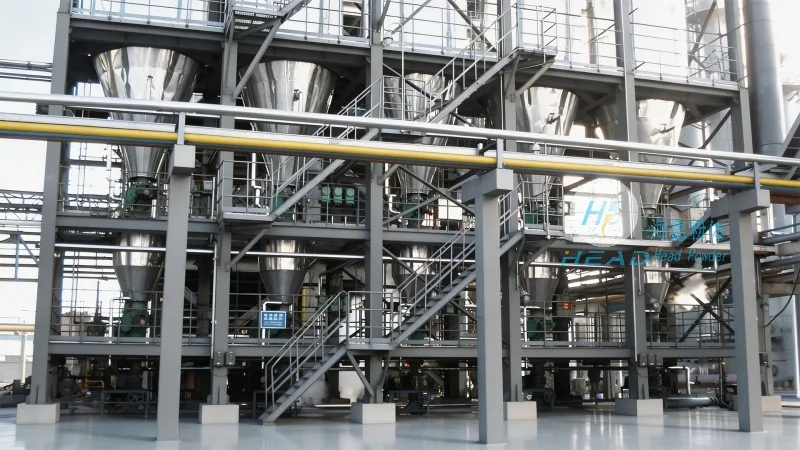
Key Components and Their Functions
Several critical components work in tandem to ensure the efficient operation of the Nickel Sulfate Crystallization Pneumatic Conveying Machine. The hopper serves as the primary storage vessel, providing a large capacity to accommodate the bulk material. It is designed with a conical bottom to facilitate smooth material flow and prevent blockages. The rotary valve, often referred to as a feeder, is a crucial component that regulates the flow rate of the material into the conveying line. It operates by rotating a series of blades or vanes that open and close to allow material to pass through at a controlled rate. The compressor is the heart of the system, responsible for generating the compressed air required to move the material. It can be a rotary screw compressor or a reciprocating compressor, depending on the specific application and air volume needs. The pipeline network, made of materials such as stainless steel or plastic, is designed to withstand the pressure and corrosive nature of the nickel sulfate crystals. It includes bends, elbows, and straight sections to guide the material to the discharge point, which may be a storage tank, a processing unit, or another part of the industrial facility.
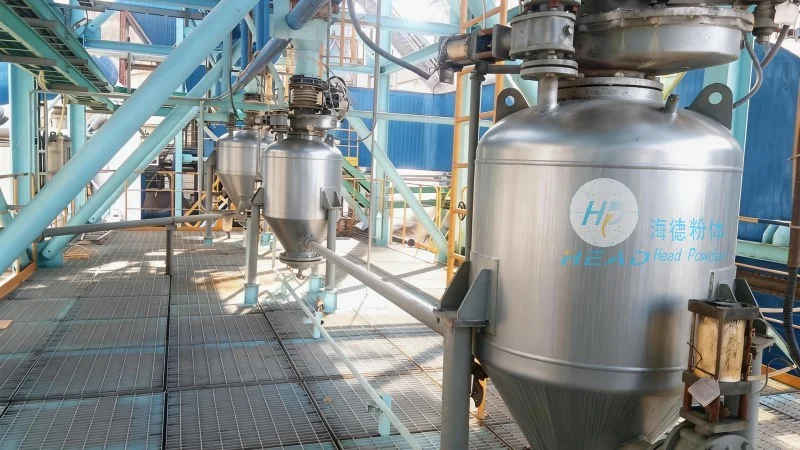
Working Scene Characteristics and Applications
The Nickel Sulfate Crystallization Pneumatic Conveying Machine is particularly suited for industrial environments where the transport of crystalline materials requires high efficiency, minimal material loss, and low maintenance. Its working scene characteristics include the ability to handle materials with varying particle sizes and moisture content, making it versatile for different production stages. The machine is commonly used in chemical processing plants, where nickel sulfate is produced and needs to be transferred from the crystallization tanks to storage or further processing units. It is also applicable in mining and metallurgical operations where nickel compounds are processed and transported. The system's ability to operate in a closed loop reduces dust emissions and improves safety in the workplace, which is a significant advantage in industries where air quality and worker health are critical concerns.
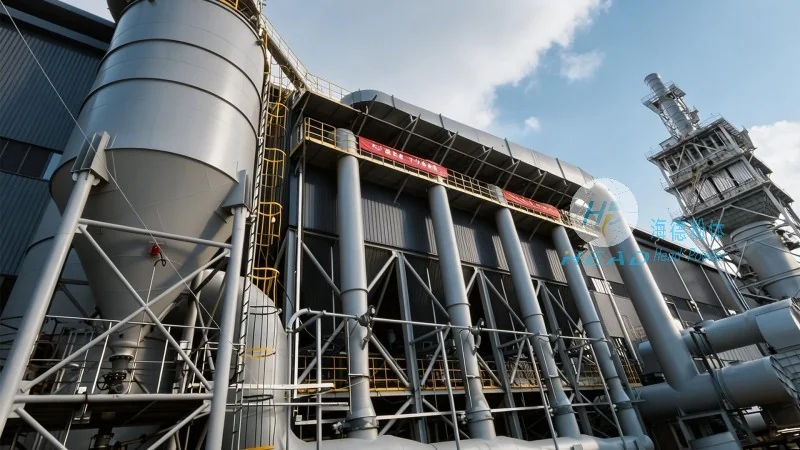
Advantages of Using Pneumatic Conveying for Nickel Sulfate Crystals
Compared to traditional mechanical conveying methods, the Nickel Sulfate Crystallization Pneumatic Conveying Machine offers several advantages that make it a preferred choice for many industrial applications. One of the primary benefits is the reduction in material degradation and loss. Since the material is conveyed in a closed system with minimal contact with the environment, the risk of breakage or contamination is significantly lower. This is especially important for sensitive materials like nickel sulfate, where maintaining the quality of the crystals is essential for downstream processes. Another advantage is the flexibility in system design. The pneumatic conveying system can be easily modified or expanded to accommodate changes in production volume or material types, providing long-term cost savings and operational efficiency. Additionally, the system is relatively low maintenance compared to mechanical conveyors, as there are fewer moving parts that require regular servicing. This reduces downtime and maintenance costs, contributing to overall operational efficiency.
Operational Considerations and Best Practices
When operating the Nickel Sulfate Crystallization Pneumatic Conveying Machine, several factors need to be considered to ensure optimal performance and longevity of the equipment. First, the air pressure and flow rate must be carefully adjusted to match the material properties and the desired conveying distance. Excessive air pressure can lead to material degradation or increased energy consumption, while insufficient pressure may result in poor conveying efficiency or blockages. Second, regular cleaning and maintenance of the system are essential to prevent the buildup of material residues, which can affect the performance and increase the risk of system failure. This includes cleaning the hopper, feeder, and pipeline after each production run or when the material changes. Third, monitoring the system's performance parameters, such as pressure, flow rate, and material level, is crucial for early detection of any issues and timely maintenance. Using sensors and control systems can help automate these monitoring tasks, ensuring consistent and reliable operation. Finally, training operators on the proper use and maintenance of the equipment is vital to prevent accidents and ensure the system operates within its design limits.