

Principle and Working Scene Characteristics of Nitrogen Protective Pneumatic Conveying System Equipm
HeadPowder, a leading provider in the field, specializes in the design and implementation of nitrogen protective pneumatic conveying systems. These systems are engineered to handle materials in environments where oxidation or contamination must be strictly controlled. The core principle revolves around using nitrogen gas as a protective medium to create an inert atmosphere during material transport, ensuring the integrity of sensitive powders and granules.
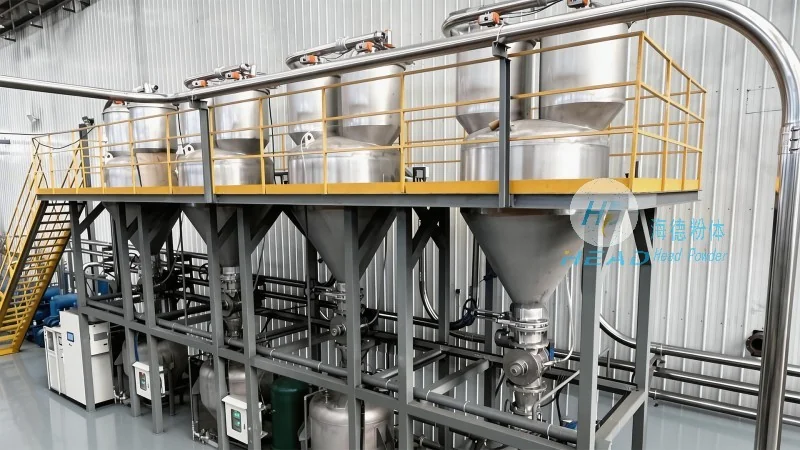
Working Principle of Nitrogen Protective Pneumatic Conveying Systems
The system operates by utilizing compressed nitrogen gas to transport bulk materials through a network of pipes. The nitrogen acts as a carrier, carrying the material from the source to the destination while maintaining a protective atmosphere. Key components include a nitrogen generator or supply system, a material feed hopper, a conveying pipeline, and a discharge unit. The nitrogen flow is carefully controlled to ensure sufficient velocity to move the material without causing excessive wear or degradation. The system also incorporates filtration and pressure regulation mechanisms to maintain system efficiency and material quality.
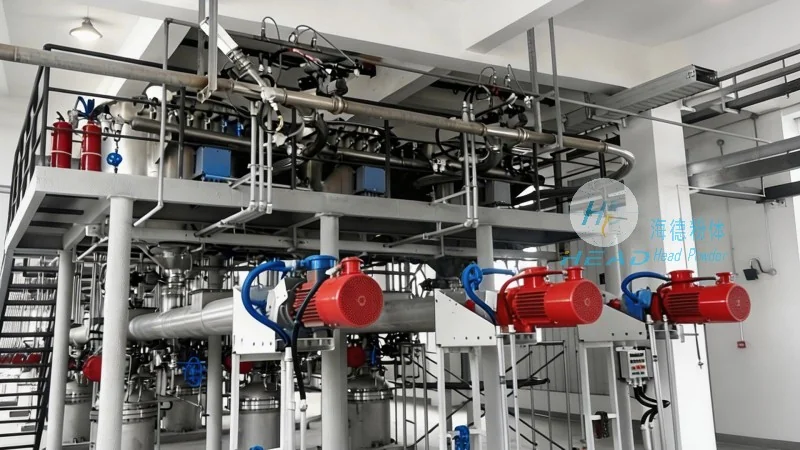
Key Features and Advantages
One of the primary advantages of nitrogen protective pneumatic conveying is its ability to prevent material oxidation and contamination. This is crucial for industries dealing with sensitive materials such as pharmaceuticals, food products, and high-purity chemicals. The system also offers flexibility in material handling, allowing for vertical, horizontal, or mixed-direction transport. Additionally, it reduces the need for manual handling, enhancing safety and operational efficiency. The use of nitrogen as a protective gas also minimizes the risk of fire or explosion in environments where flammable materials are present.
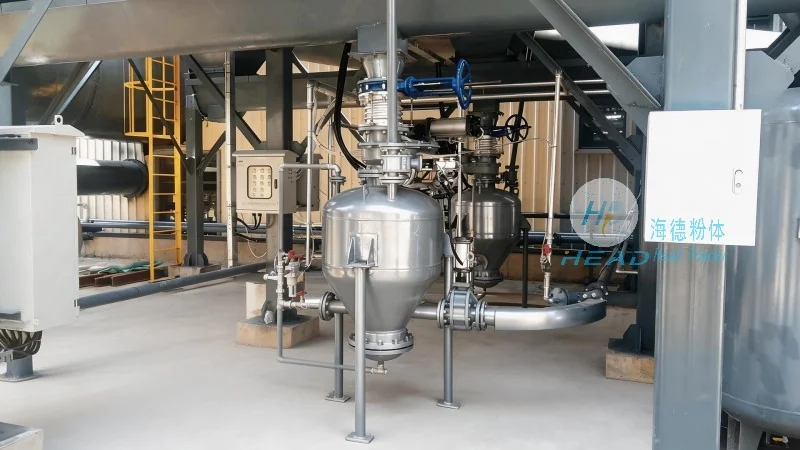
Common Working Scenarios and Applications
These systems are widely applied in various industrial settings. In the pharmaceutical industry, nitrogen protective conveying is used to transport active pharmaceutical ingredients (APIs) and excipients with strict purity requirements. The food processing sector utilizes such systems for handling powders like flour, sugar, and spices, ensuring they remain fresh and free from moisture or microbial contamination. In the chemical industry, high-purity chemicals and catalysts are conveyed using nitrogen to prevent chemical reactions or degradation during transport. Additionally, in the electronics manufacturing industry, fine powders used in semiconductor production are handled with nitrogen protective systems to maintain a cleanroom environment.
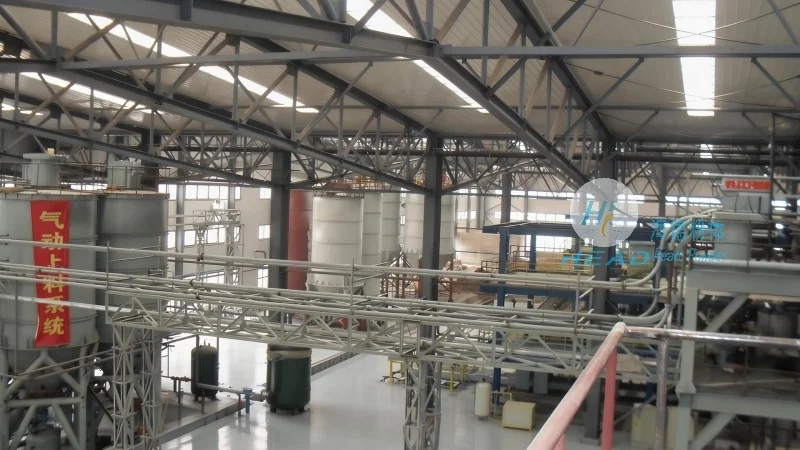
Installation and Operational Considerations
When implementing a nitrogen protective pneumatic conveying system, several factors must be considered. The system design must account for the material's properties, such as particle size, density, and flowability. The nitrogen flow rate and pressure are critical parameters that need precise adjustment to ensure efficient transport. Regular maintenance, including filter replacement and pressure checks, is essential to maintain system performance. The system's layout should also consider the facility's layout and space constraints, ensuring smooth material flow from the source to the destination. HeadPowder, with its expertise, provides comprehensive support from system design to installation and ongoing maintenance, ensuring optimal performance and reliability.