

Principles and Application Scenarios of Intermittent Powder Handling Systems
Intermittent powder handling systems represent a specialized category of material handling equipment designed to transport bulk powders in a controlled, periodic manner. These systems are engineered to address the unique challenges associated with handling fine, dry, or cohesive powders, ensuring efficient and reliable material transfer in industrial settings. The core principle behind such systems involves the use of mechanical or pneumatic mechanisms to move powder in discrete batches, rather than continuous flow, which is crucial for applications requiring precise control over material quantity and process timing.
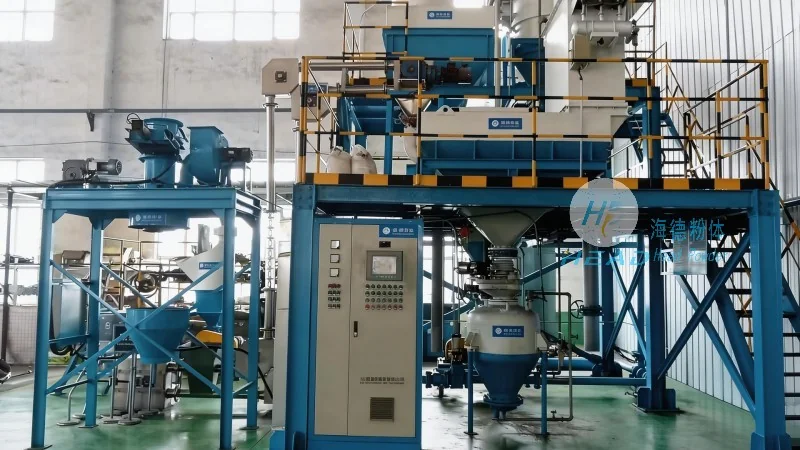
Company Introduction: HeadPowder Engineering
HeadPowder, formally known as Shandong HeadPowder Engineering Co., Ltd., is a leading manufacturer specializing in the design, development, and implementation of advanced powder handling solutions. With a strong presence in China, particularly in Shandong, the company has established itself as a trusted partner for industries seeking efficient and reliable powder processing technologies. HeadPowder's expertise lies in tailoring systems to meet specific operational requirements, ensuring optimal performance and durability in demanding industrial environments.
Principles of Intermittent Powder Handling Systems
The fundamental principle of intermittent powder handling systems revolves around the controlled movement of powder in discrete increments. Unlike continuous conveyor systems, these systems utilize mechanisms such as rotary valves, pneumatic actuators, or mechanical feeders to deliver powder in batches. This approach allows for precise control over the quantity of material transferred, which is critical in applications where overloading or underloading can impact process efficiency or product quality. The systems are typically designed with features like adjustable feed rates, material flow monitoring, and safety interlocks to enhance operational flexibility and reliability.
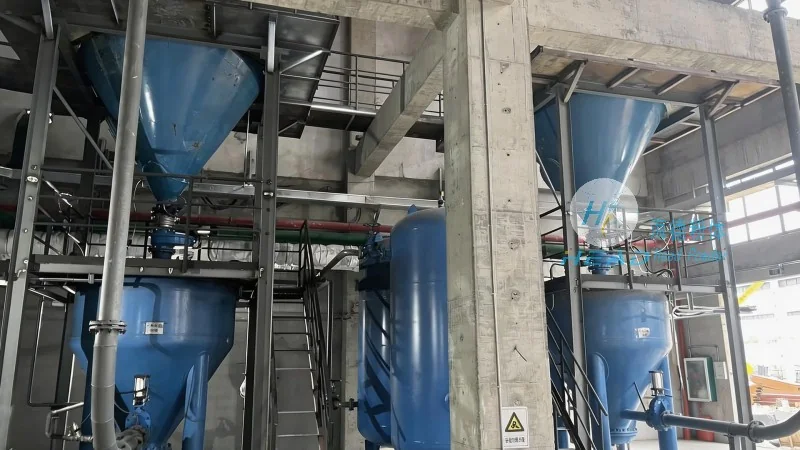
Key Components and Operational Mechanisms
Intermittent powder handling systems consist of several key components that work in concert to achieve efficient material transfer. These typically include a hopper or storage vessel for powder containment, a feeder mechanism (such as a rotary valve or screw feeder) to control the flow of powder, a conveying section (often pneumatic or mechanical) to transport the powder to the destination, and a discharge mechanism at the receiving end. The feeder is the critical component that regulates the amount of powder released at each cycle, ensuring consistent batch sizes. Pneumatic systems may employ compressed air to create pressure differentials, while mechanical systems rely on motor-driven mechanisms to move the powder. Each component is engineered to withstand the abrasive and corrosive nature of powders, ensuring long-term operational life.
Application Scenarios and Industry Use Cases
Intermittent powder handling systems find extensive application across various industries where bulk powder processing is essential. In the pharmaceutical sector, these systems are used for the precise handling of active pharmaceutical ingredients (APIs) and excipients, ensuring compliance with stringent quality and safety standards. The food and beverage industry employs such systems for processing ingredients like flour, sugar, and spices, where contamination control and precise dosing are paramount. The chemical industry utilizes intermittent powder handling for transporting raw materials like powders, catalysts, and reagents, supporting processes like mixing, blending, and reaction. Additionally, in the mining and mineral processing sectors, these systems facilitate the transfer of ore powders, enabling efficient downstream processing. Each application leverages the system's ability to control material flow and maintain product integrity, making it indispensable in high-stakes industrial operations.
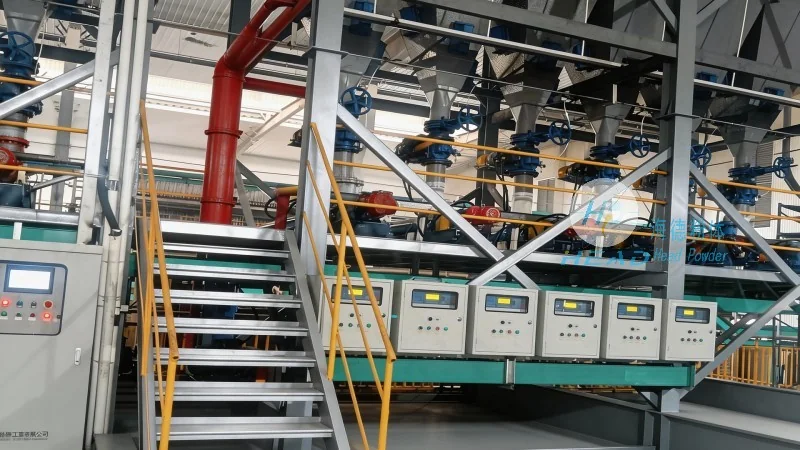
Advantages and Benefits of Intermittent Powder Handling Systems
Intermittent powder handling systems offer several advantages that make them a preferred choice in many industrial applications. One of the primary benefits is the ability to achieve precise control over material quantity, which is crucial for processes requiring exact dosing or batch processing. This precision reduces waste and improves product consistency, leading to cost savings and enhanced operational efficiency. Additionally, these systems are designed to minimize material degradation, such as caking or segregation, by maintaining controlled flow and preventing prolonged exposure to air or moisture. The intermittent nature of the system also allows for easier cleaning and maintenance, as the equipment can be paused and cleaned without disrupting the entire process. Furthermore, the systems are often more compact and energy-efficient compared to continuous conveyor systems, making them suitable for space-constrained environments.
Customization and Integration Capabilities
HeadPowder Engineering specializes in providing customized intermittent powder handling solutions tailored to the specific needs of each client. The company's approach involves a thorough understanding of the client's operational requirements, including material characteristics, processing volumes, and environmental conditions. Based on this analysis, HeadPowder designs and manufactures systems that integrate seamlessly with existing production lines or can serve as standalone solutions. The customization may include adjustments to feeder speed, conveying pressure, or system dimensions to optimize performance. Furthermore, the company offers integration services to ensure that the new system aligns with the client's overall process flow, minimizing downtime and maximizing operational efficiency. This tailored approach ensures that clients receive a solution that not only meets their current needs but also supports future growth and expansion.
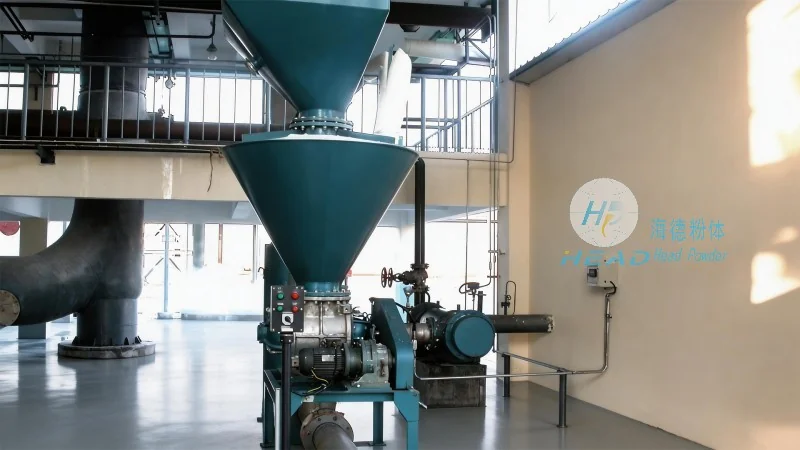
Quality Assurance and Reliability
HeadPowder Engineering places a strong emphasis on quality assurance and reliability in the design and manufacturing of its intermittent powder handling systems. The company adheres to industry standards and best practices, ensuring that all components are manufactured using high-quality materials and precision engineering techniques. Each system undergoes rigorous testing and validation to confirm its performance and durability under real-world conditions. This commitment to quality is reflected in the long operational life and minimal maintenance requirements of the systems, which reduces downtime and operational costs for clients. Additionally, HeadPowder provides comprehensive support services, including installation, commissioning, and ongoing maintenance, to ensure that clients can rely on their systems for consistent and reliable performance. The company's focus on quality and reliability has earned it a reputation as a trusted provider of powder handling solutions in the industry.
Conclusion
Intermittent powder handling systems, as exemplified by the solutions offered by HeadPowder Engineering, represent a critical technology for efficient and reliable bulk powder processing. By leveraging precise control mechanisms and robust engineering, these systems address the unique challenges associated with handling powders, ensuring optimal performance in diverse industrial applications. With a strong presence in China and a commitment to customization and quality, HeadPowder Engineering continues to provide innovative solutions that meet the evolving needs of industries worldwide. The principles and applications of intermittent powder handling systems underscore their importance in modern industrial operations, where efficiency, precision, and reliability are paramount.