

Principle and Working Scene Characteristics of Alloy Powder Material Handling Equipment
Alloy powder material handling equipment is a specialized system designed to transport and manage alloy powders efficiently in industrial settings. This equipment plays a crucial role in various manufacturing processes where alloy powders are used as raw materials. The design and functionality of these systems are tailored to address the unique challenges associated with handling fine, abrasive, and often temperature-sensitive alloy powders. By understanding the core principles and typical working scenarios, users can better appreciate how such equipment enhances operational efficiency and product quality in industrial applications.
Core Principles of Alloy Powder Material Handling
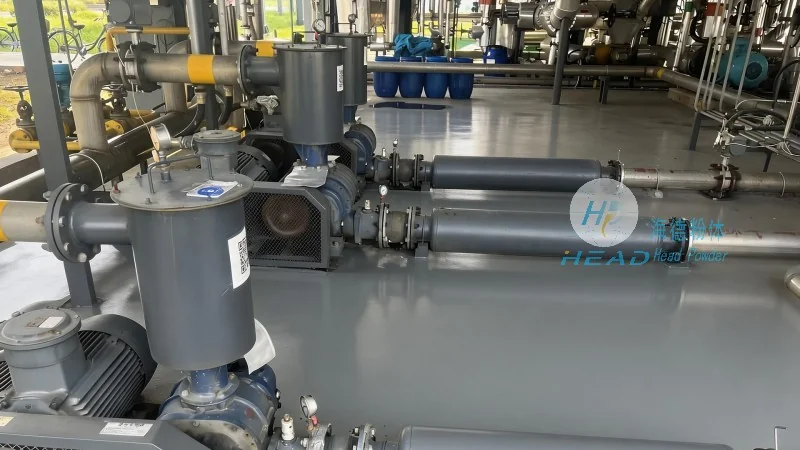
The fundamental principles of alloy powder material handling equipment revolve around several key aspects. First, the equipment must ensure minimal powder loss and contamination during transport. This is achieved through sealed systems, appropriate material selection for components, and precise control mechanisms. Second, the system needs to maintain the integrity of the alloy powder, preventing agglomeration or degradation that could affect the final product's properties. This involves controlling particle flow, velocity, and environmental conditions like temperature and humidity. Third, the design emphasizes energy efficiency and operational reliability, ensuring consistent performance over extended periods. These principles guide the development of components such as conveyors, hoppers, and feeding mechanisms, all of which work in harmony to achieve the desired material handling outcomes.
Working Scene Characteristics of Alloy Powder Handling Systems
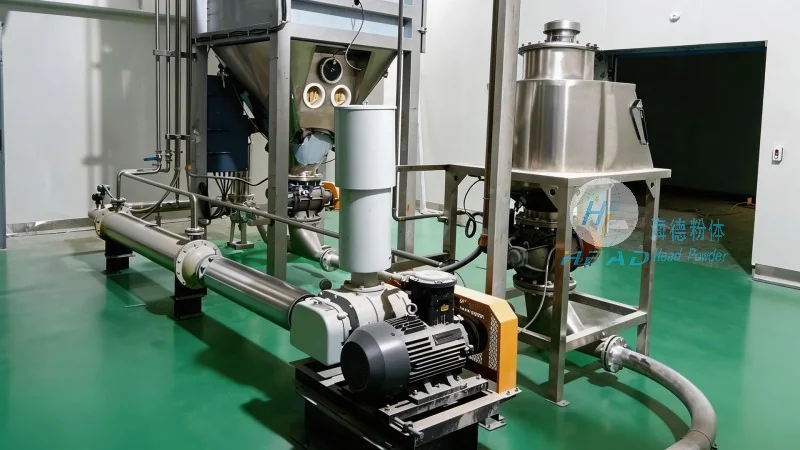
The working scene characteristics of alloy powder material handling equipment vary based on the specific industrial application and the type of alloy powder being processed. For instance, in metal additive manufacturing, the equipment must handle fine powders with high precision, often requiring low-velocity transport to avoid particle damage. In contrast, in foundry operations, larger alloy powders may be handled with higher throughput, focusing on durability and robustness of the conveying components. Another key characteristic is the integration of the material handling system with other production equipment, such as mixing or sintering machines. This integration ensures a seamless flow of materials from storage to processing, minimizing downtime and enhancing overall production line efficiency. Additionally, the equipment is often designed to accommodate different alloy types, such as stainless steel, aluminum, or nickel-based alloys, each with distinct handling requirements. The working scene also considers safety aspects, including dust control measures and explosion-proof designs, which are critical in environments where alloy powders are combustible or reactive.
Company Profile: Shandong HeadPowder Engineering Co., Ltd.
HeadPowder, as the company name suggests, specializes in engineering solutions for material handling, particularly for alloy powders. With its headquarters in Shandong, China, the company has established itself as a leading provider of customized material handling equipment tailored to the needs of various industries. The company's expertise lies in understanding the unique properties of different alloy powders and designing systems that optimize their handling, storage, and transport. By leveraging advanced engineering techniques and material science knowledge, HeadPowder ensures that its equipment meets the highest standards of performance, reliability, and safety. The company's commitment to quality and customer satisfaction has earned it a reputation in both domestic and international markets, serving clients across sectors like aerospace, automotive, and electronics.
Conclusion and Application Outlook
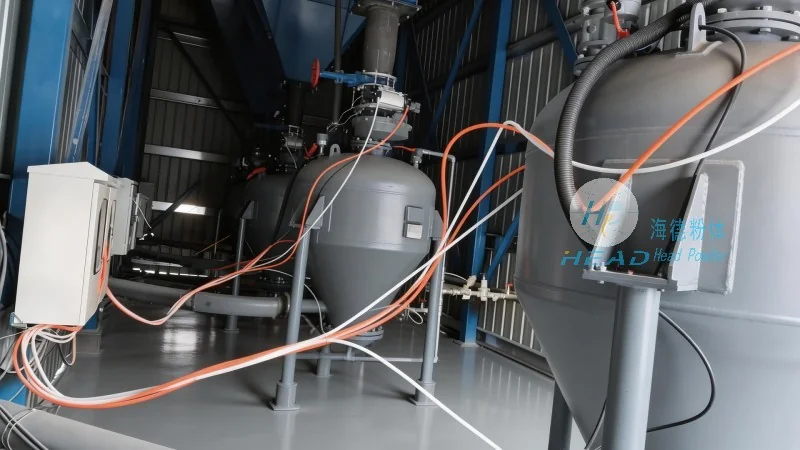
In conclusion, alloy powder material handling equipment is a vital component in modern industrial operations, enabling the efficient and safe processing of alloy powders. The principles and working scene characteristics discussed highlight the importance of tailored solutions that address specific material properties and operational demands. As industries continue to advance, the demand for specialized material handling equipment will likely grow, driven by the need for higher precision, efficiency, and sustainability in manufacturing processes. Companies like Shandong HeadPowder Engineering Co., Ltd. play a crucial role in meeting these evolving needs by providing innovative and reliable solutions that enhance productivity and product quality. The future of alloy powder handling systems lies in continued innovation, focusing on automation, integration, and environmental considerations, ensuring that these systems remain at the forefront of industrial material management.