

Principle and Working Scene Characteristics of Alumina Powder Pneumatic Conveying Equipment
Alumina powder, a critical material in various industrial applications, requires efficient and reliable transportation methods to ensure smooth production processes. The pneumatic conveying equipment designed for alumina powder plays a vital role in addressing the challenges associated with handling such powders, particularly in terms of dust control, material integrity, and operational efficiency. This article, presented by Shandong HeadPowder Engineering Co., Ltd., a leading manufacturer of industrial conveying systems, delves into the fundamental principles of alumina powder pneumatic conveying systems and explores the key working scene characteristics that make them suitable for diverse industrial environments.
The Working Principle of Pneumatic Conveying Systems for Alumina Powder
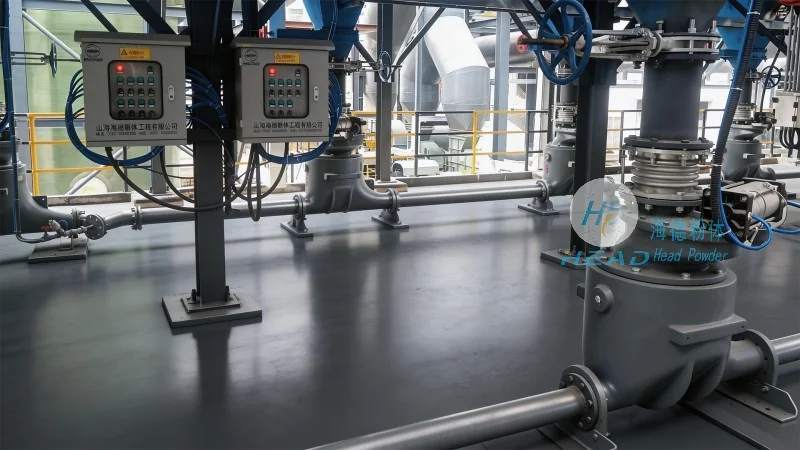
At the core of alumina powder pneumatic conveying equipment is the use of air or gas to transport the powder particles through a pipeline system. The process typically involves several key components, including a material feeder, a conveying line, a separation system, and a discharge unit. The material feeder, often a rotary valve or a screw feeder, introduces the alumina powder into the conveying line at a controlled rate. As the powder enters the pipeline, a high-velocity air stream is introduced, creating a suspension of the powder particles in the air. This suspension allows the powder to be transported over long distances with minimal loss and minimal degradation of the material's properties. The separation system, such as a cyclone or a bag filter, then separates the powder from the air stream, ensuring that the material is collected in a clean and dry state. The discharge unit, typically a rotary valve or a hopper, then releases the alumina powder into the next stage of the production process. The entire system operates under a controlled pressure and flow rate, which is crucial for maintaining the stability of the powder suspension and preventing blockages or clogging in the pipeline.
Key Working Scene Characteristics of Alumina Powder Pneumatic Conveying Equipment
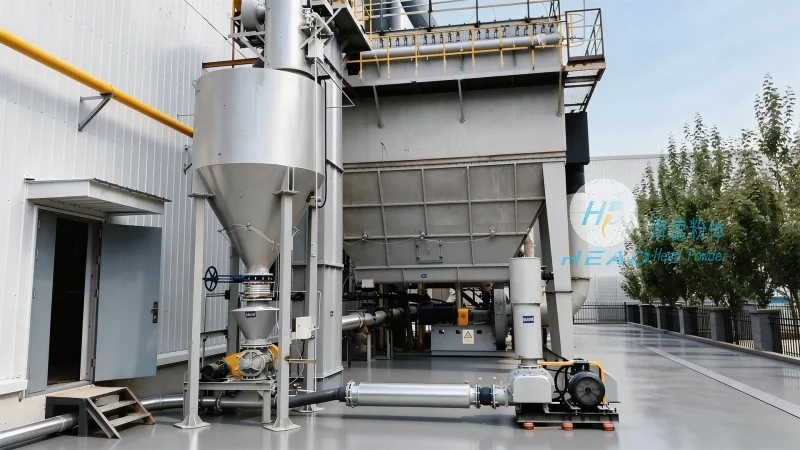
The working scene characteristics of alumina powder pneumatic conveying equipment are tailored to meet the specific demands of industrial applications. These characteristics include high material handling capacity, low maintenance requirements, and the ability to handle abrasive or corrosive materials. The equipment is designed to operate in environments where dust control is essential, such as in pharmaceutical or food processing industries, where contamination must be minimized. Additionally, the system is capable of handling large volumes of alumina powder, making it suitable for high-throughput production lines. The working scene also includes the ability to transport the powder over long distances, which is critical for plants with multiple production stages or for facilities located in remote areas. The equipment is also designed to be flexible, allowing for adjustments in the conveying rate and pressure to accommodate changes in production demand. This flexibility ensures that the system can adapt to varying production schedules and maintain optimal performance under different operating conditions.
Application Scenarios and Industry Use Cases
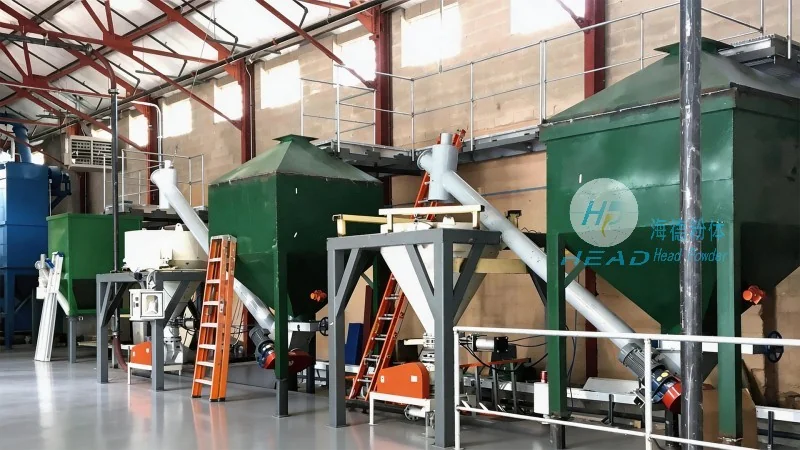
Alumina powder pneumatic conveying equipment is widely used in various industries, including ceramics, refractory materials, and chemical processing. In the ceramics industry, the equipment is used to transport alumina powder to the production line, where it is used as a raw material for making ceramic products. The high purity and fine particle size of the alumina powder are crucial for achieving the desired properties of the final ceramic products. In the refractory materials industry, the equipment is used to transport alumina powder to the production of refractory bricks and other high-temperature materials. The ability of the pneumatic conveying system to maintain the material's integrity and prevent contamination is essential for producing high-quality refractory products. In the chemical processing industry, the equipment is used to transport alumina powder as a catalyst or a filler in various chemical reactions. The system's ability to handle abrasive materials and maintain a consistent flow rate ensures that the chemical processes run smoothly and efficiently.
Advantages and Benefits of Using Alumina Powder Pneumatic Conveying Equipment
There are several advantages and benefits associated with using alumina powder pneumatic conveying equipment. One of the primary benefits is the reduction in dust exposure for operators, as the system is enclosed and the material is transported in a sealed pipeline. This not only improves workplace safety but also reduces the risk of material contamination. Another advantage is the improved material handling efficiency, as the system can transport large volumes of alumina powder over long distances with minimal loss. The equipment also offers low maintenance requirements, as the components are designed to withstand the abrasive nature of the alumina powder and the high-velocity air stream. This reduces downtime and maintenance costs for the plant. Additionally, the system is energy-efficient, as it uses less energy compared to traditional bulk material handling methods, such as belt conveyors or bucket elevators. The energy savings contribute to lower operational costs and a more sustainable operation.
Conclusion
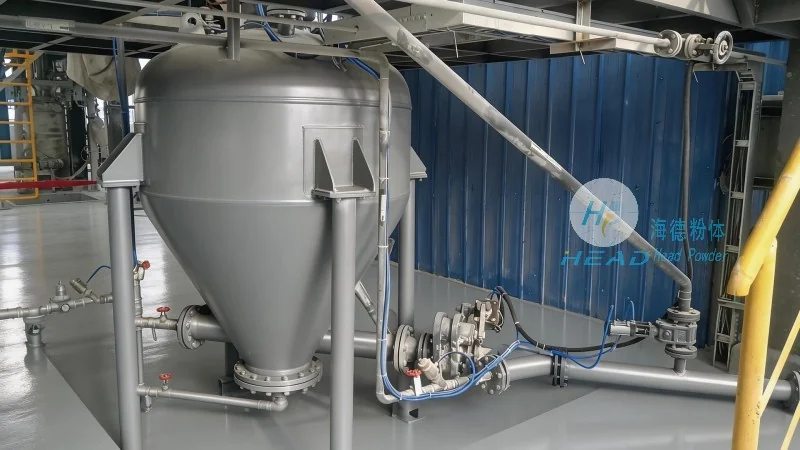
Alumina powder pneumatic conveying equipment is a critical component in the industrial processing of alumina powder, offering efficient, reliable, and safe transportation solutions. The working principle of the system, combined with its key working scene characteristics, makes it suitable for a wide range of industrial applications. The equipment's ability to handle abrasive materials, maintain material integrity, and control dust exposure makes it an ideal choice for industries where quality and safety are paramount. As the demand for alumina powder continues to grow, the importance of efficient and reliable transportation systems will only increase. The use of pneumatic conveying equipment ensures that alumina powder can be transported in a manner that meets the highest standards of quality and safety, supporting the continued growth and success of the industries that rely on this material.