

Introduction to Powder Hopper and Powder Conveying: Overview of Structure and Working Principles
HeadPowder, a leading manufacturer in the field of powder handling technology, specializes in the design and production of efficient powder conveying systems. This article provides a detailed overview of the powder hopper and its associated conveying mechanisms, focusing on the structural design and operational principles that ensure reliable and consistent powder transport in industrial applications.
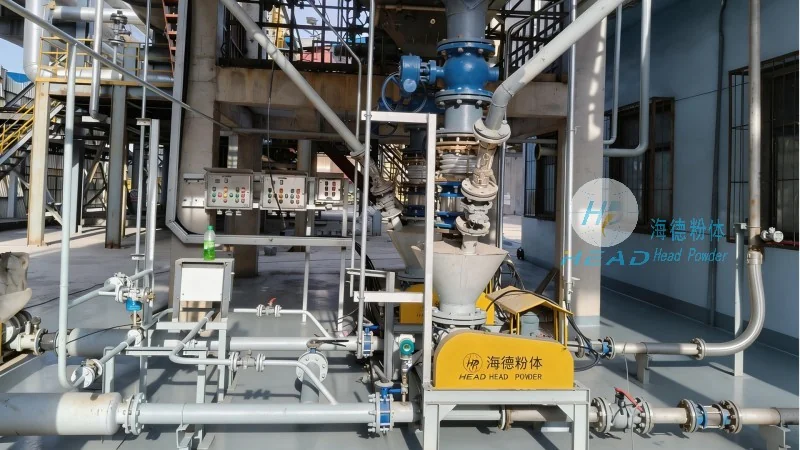
The powder hopper, as a critical component in powder handling systems, serves as the primary storage and feeding unit for bulk powders. Its design is engineered to accommodate various powder types, including fine powders, granules, and bulk materials, while maintaining optimal flow characteristics. The hopper's structure typically includes a conical or rectangular base, a hopper body, and a discharge outlet, all of which are crucial for controlling the powder's movement and preventing issues such as bridging or clogging.
Key structural elements of the powder hopper include the hopper walls, which are often lined with wear-resistant materials to extend the equipment's lifespan and maintain powder integrity. The hopper's angle of repose is carefully calculated to ensure smooth powder flow, and the design may incorporate features like agitators or vibrators to assist in material movement, especially for cohesive or sticky powders. The discharge mechanism, which connects to the conveying system, is designed to minimize pressure drop and ensure consistent material delivery to downstream processes.
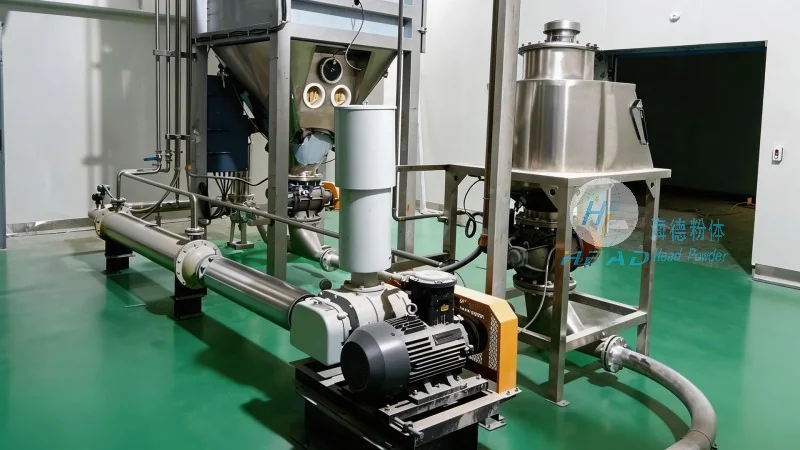
HeadPowder's powder conveying systems integrate seamlessly with the hopper, utilizing technologies such as pneumatic or mechanical conveying methods. Pneumatic conveying, for instance, employs air or gas to transport powders through pipelines, while mechanical systems use screws, belts, or buckets to move materials. The choice of conveying method depends on factors like powder properties, distance, and required flow rate. The system's design ensures minimal product degradation, maintaining the quality and consistency of the conveyed powders.
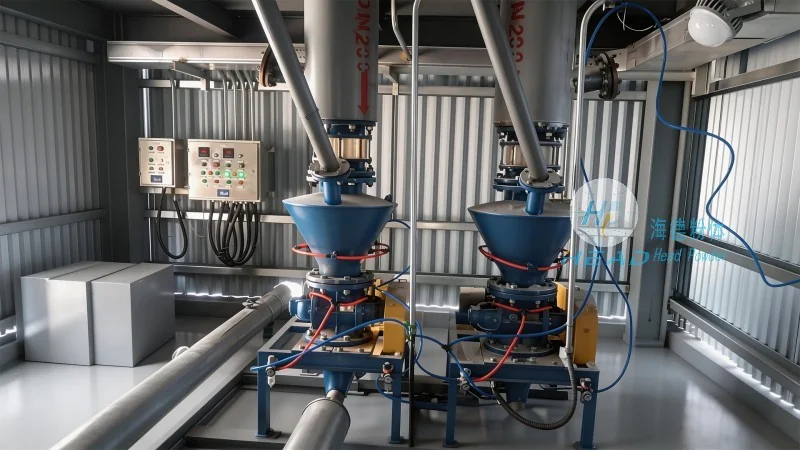
The working principle of the powder hopper and conveying system involves a sequential process: powder is first stored in the hopper, then discharged into the conveying line under controlled conditions. The hopper's design facilitates uniform feeding, preventing surges or uneven flow that could disrupt downstream operations. The conveying system then transports the powder to the target location, such as a mixer, reactor, or packaging unit. This integrated approach ensures efficient material handling, reducing downtime and operational costs for industrial facilities.
HeadPowder, with its headquarters in Shandong, China, leverages advanced engineering and manufacturing capabilities to deliver high-quality powder handling solutions. The company's commitment to innovation and customer satisfaction has established it as a trusted partner in the industry, providing tailored solutions that meet the specific needs of various sectors, including pharmaceuticals, food processing, and chemical manufacturing.
By understanding the structural principles and operational mechanisms of the powder hopper and conveying system, industrial operators can optimize their material handling processes, enhance productivity, and ensure compliance with safety and quality standards. The integration of robust design and efficient technology in HeadPowder's products reflects the company's dedication to excellence in powder handling technology.