

Introduction to Dry Sand Powder Conveying: Structure and Working Principles
Dry sand powder conveying systems are critical in various industrial applications, particularly in sectors requiring efficient and reliable material handling for bulk dry powders. This overview aims to provide a comprehensive understanding of the structural design and operational principles behind such systems, highlighting the key components and their functional roles.
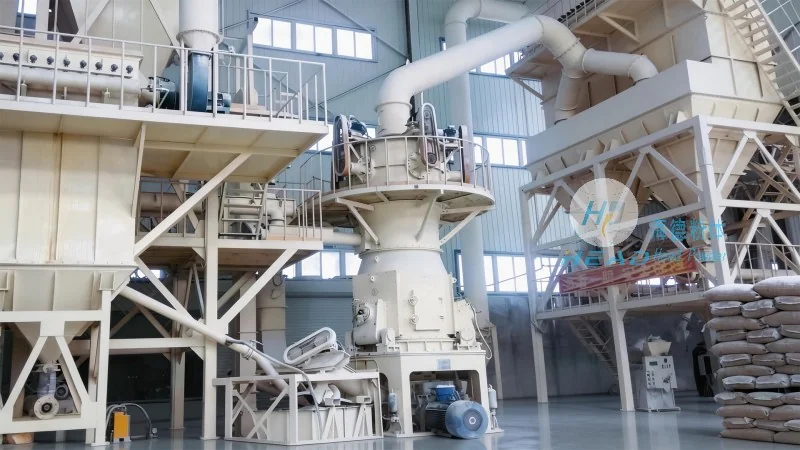
Core Components and Working Principle
The fundamental structure of a dry sand powder conveying system typically includes several key elements that work in tandem to ensure effective material transport. The primary components consist of a hopper for material storage, a conveyor mechanism (such as a screw or pneumatic system), and a control unit for regulating the flow. The hopper is designed to hold the dry sand or powder, ensuring a consistent feed into the conveying system. It often features a sloped bottom to facilitate smooth material discharge, preventing clogging and ensuring uniform flow.
The conveyor mechanism, which may vary based on the specific application and material characteristics, is the heart of the system. For dry sand, a screw conveyor is commonly used due to its ability to handle abrasive materials and maintain a controlled flow rate. The screw, typically made of durable materials like stainless steel or high-grade plastic, rotates within a trough, pushing the material forward. This mechanism ensures that the dry sand is moved efficiently without excessive pressure or friction, which could degrade the material quality. Additionally, the system may incorporate a pneumatic component, such as a dust collector or air blower, to assist in transporting lighter or more fine powders, enhancing the overall conveying efficiency.
The control unit plays a crucial role in managing the operation of the conveying system. It monitors parameters like material level in the hopper, conveyor speed, and pressure in pneumatic systems. Advanced control units may include sensors and automation features to adjust the flow rate dynamically, ensuring optimal performance and preventing overloading or underloading. This integration of monitoring and control helps maintain the stability and reliability of the system, making it suitable for continuous industrial operations.
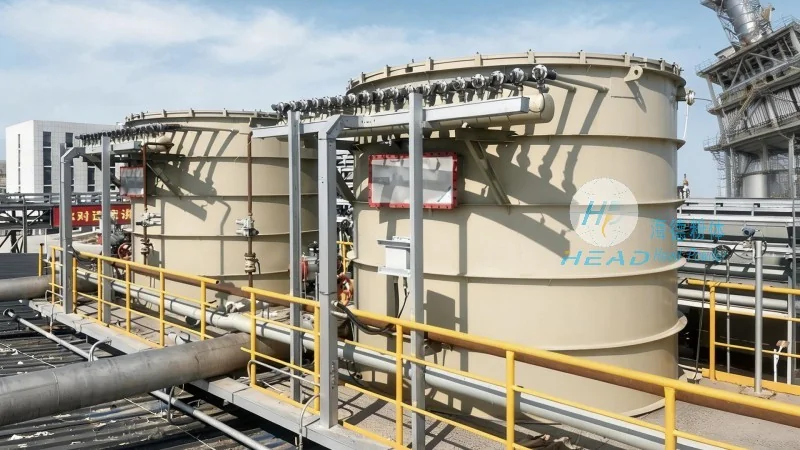
Technical Advantages and Performance Characteristics
Dry sand powder conveying systems offer several technical advantages that make them ideal for industrial applications. One of the key benefits is their ability to handle abrasive materials like dry sand without significant wear and tear on the components. The robust construction of the screw and hopper, often made from corrosion-resistant materials, ensures long-term durability and minimal maintenance requirements. This is particularly important in industries where the material being conveyed is harsh and can cause rapid degradation of standard equipment.
Another significant advantage is the system's efficiency in maintaining material integrity. Unlike some other conveying methods that may cause segregation or agglomeration of the powder, the screw conveyor design ensures that the dry sand remains uniformly mixed and free-flowing. This is crucial for applications where the consistency of the material is critical, such as in manufacturing processes where the powder is used as a raw material. The system also minimizes dust generation, which is a common issue with dry powder handling, contributing to a safer and more environmentally friendly operation.
The flexibility of dry sand powder conveying systems is another notable feature. They can be adapted to various production scales, from small-scale laboratory applications to large-scale industrial operations. The modular design allows for easy expansion or modification, enabling the system to meet changing production demands. Additionally, the system's ability to integrate with other industrial equipment, such as mixers or processing units, enhances its functionality and makes it a versatile solution for material handling needs.
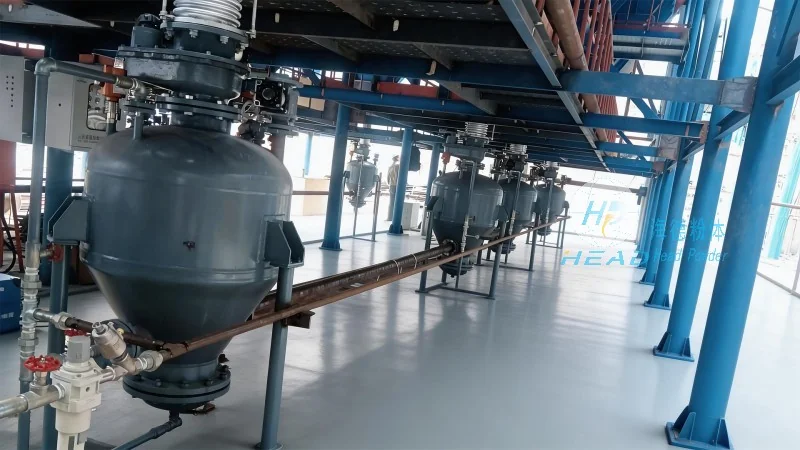
Application Scenarios and Industry Relevance
Dry sand powder conveying systems find widespread application in multiple industries, including construction, mining, and manufacturing. In the construction industry, they are used to transport dry sand for concrete production, ensuring a consistent supply of raw material to the mixing plants. The system's reliability and efficiency help maintain production schedules and reduce downtime, which is critical in construction projects with tight timelines.
In the mining sector, dry sand powder conveying is essential for transporting ore and other mineral powders from processing facilities to storage or further processing units. The system's ability to handle abrasive and heavy materials makes it suitable for the demanding conditions of mining operations. Additionally, the system's dust control features are beneficial in reducing environmental impact and improving workplace safety in mining sites.
In manufacturing industries, particularly those involved in the production of ceramics, pharmaceuticals, or food products, dry sand powder conveying systems are used to transport raw materials to processing lines. The system's ability to maintain material purity and consistency is vital in these sectors, where quality control is paramount. The integration of the conveying system with other processing equipment ensures a seamless flow of materials, enhancing overall production efficiency.
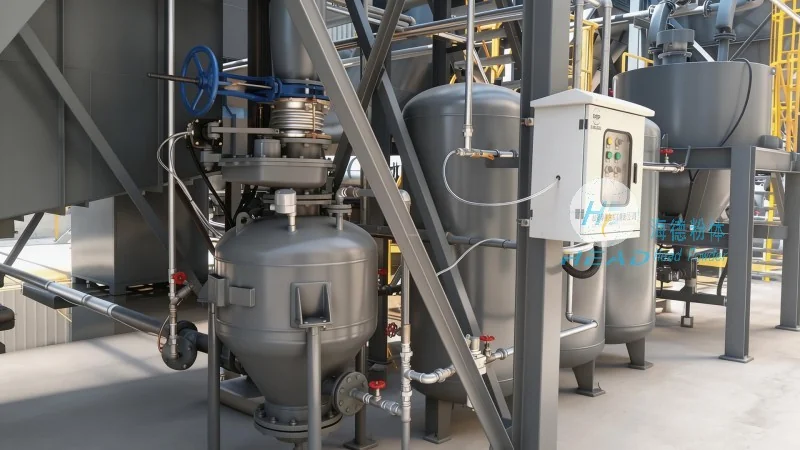
About Shandong HeadPowder Engineering Co., Ltd.
Shandong HeadPowder Engineering Co., Ltd., commonly known as HeadPowder, is a leading manufacturer and supplier of advanced dry sand powder conveying systems. With a focus on innovation and quality, the company has established itself as a trusted partner in the industrial material handling sector. HeadPowder's products are designed to meet the specific needs of various industries, offering reliable and efficient solutions for dry powder transportation.
HeadPowder is committed to providing customized solutions that address the unique challenges of each client's operation. The company's team of engineers and technicians works closely with clients to understand their requirements and develop tailored conveying systems. This approach ensures that the final product not only meets but exceeds the client's expectations in terms of performance, durability, and cost-effectiveness.
HeadPowder's facilities are equipped with state-of-the-art technology and quality control measures, ensuring that all products meet the highest industry standards. The company adheres to strict quality assurance protocols, from material selection to final assembly, to deliver products that are reliable and long-lasting. With a strong presence in China, HeadPowder serves clients both domestically and internationally, providing comprehensive support and after-sales service to ensure customer satisfaction.