

Introduction to River Sand Powder Conveying System: Structure and Working Principle Explanation
HeadPowder, a professional engineering company based in Shandong, China, specializes in the design, manufacturing, and installation of advanced powder conveying systems tailored for various industrial applications. This article provides an overview of a typical river sand powder conveying system, detailing its structural components and operational principles to help users understand its functionality and benefits.
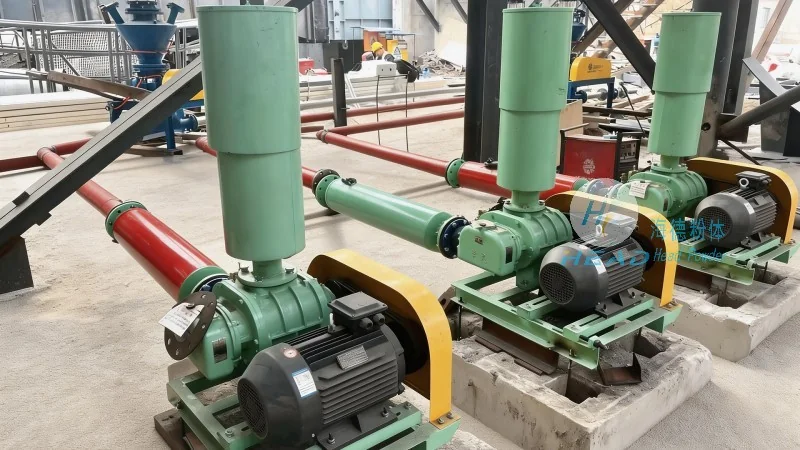
System Overview and Key Applications
The river sand powder conveying system is engineered to efficiently transport river sand, a fine-grained material commonly used in construction, foundry, and other industrial processes. HeadPowder's systems are designed to handle the unique challenges associated with river sand, such as its abrasive nature and tendency to generate dust during handling. By leveraging robust engineering and high-quality materials, these systems ensure reliable and safe material transport while minimizing operational costs and environmental impact.
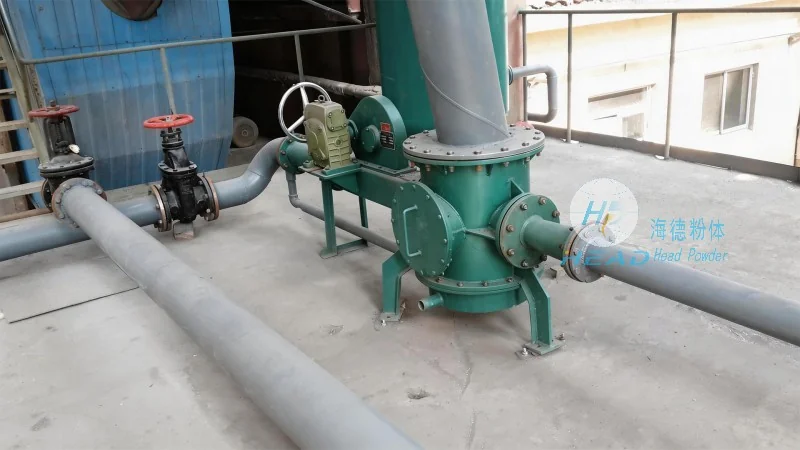
Structural Components and Design
The core components of the river sand powder conveying system include a hopper for material storage, a screw conveyor or pneumatic pipeline for transport, a control panel for system operation, and a dust collection system to maintain air quality. The hopper is typically made of corrosion-resistant materials like stainless steel or coated steel to withstand the abrasive properties of river sand. The screw conveyor features a durable, heavy-duty design with hardened steel screws and a reinforced housing to prevent wear and tear from the sand particles. The pneumatic pipeline, when used, consists of high-pressure hoses or ducts with specialized valves and regulators to control the flow of sand particles through the system.
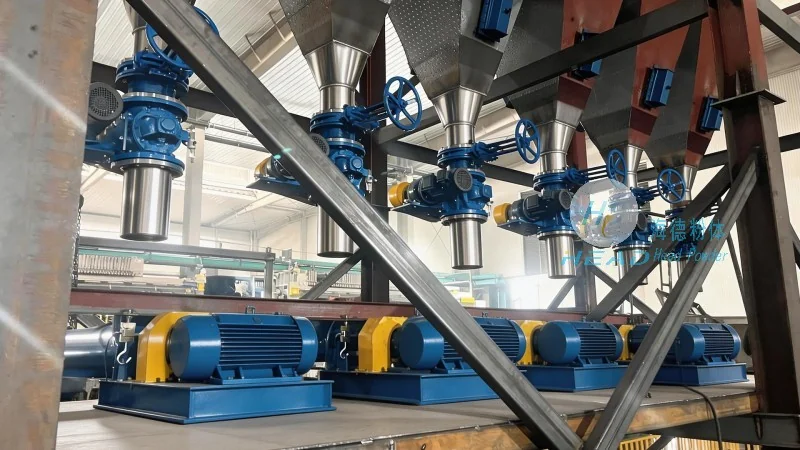
Working Principle and Operational Mechanism
The system operates by first loading river sand into the hopper. Once the material reaches a certain level, it is fed into the conveyor mechanism. For screw conveyors, the rotating screw pushes the sand forward through the pipeline, while for pneumatic systems, compressed air propels the sand particles through the pipeline. The control panel allows operators to adjust the speed of the conveyor, the pressure of the air system, and other parameters to optimize material flow and prevent blockages. The dust collection system, integrated into the design, captures any airborne particles, ensuring compliance with environmental regulations and maintaining a clean working environment.
Advantages and Benefits
Implementing a river sand powder conveying system from HeadPowder offers several advantages. The automated operation reduces labor costs and improves efficiency compared to manual handling methods. The robust design ensures long-term reliability, minimizing downtime and maintenance expenses. The system's ability to handle abrasive materials without significant wear extends the lifespan of components. Additionally, the dust collection system enhances workplace safety and reduces the environmental impact of sand handling operations. These benefits make the system an ideal choice for industries requiring consistent and reliable transport of river sand.
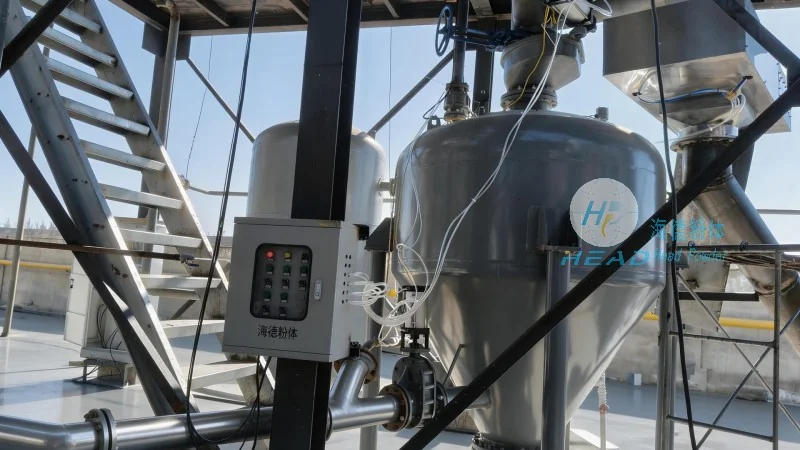
Customization and Integration
HeadPowder understands that each industrial application has unique requirements. Therefore, the company offers customized solutions tailored to specific needs, including different conveyor types, material handling capacities, and integration with existing production lines. The engineering team at HeadPowder works closely with clients to assess their operational needs, provide technical recommendations, and develop a system that meets their performance and budgetary constraints. This approach ensures that the final solution is not only efficient but also scalable and adaptable to future changes in production demands.