

Anode Material Conveyance Methods: Exploring Effective Solutions
For businesses in the battery manufacturing sector, the efficient and reliable conveyance of anode materials is a critical operational consideration. The quality and consistency of material handling directly impact production efficiency, product quality, and overall cost management. In this context, understanding the various methods of anode material conveyance becomes essential for optimizing industrial processes. This article provides an in-depth look at the primary methods used for transporting anode materials, with a focus on the expertise and solutions offered by Shandong HeadPowder Engineering Co., Ltd., a leading provider in the field.
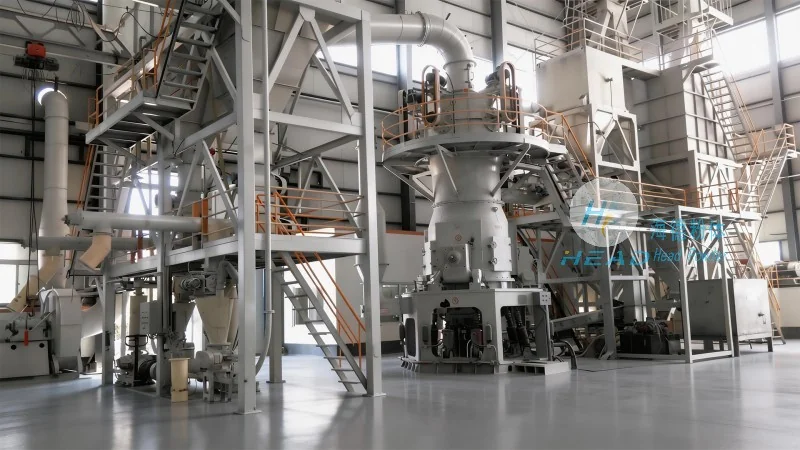
Understanding the Importance of Anode Material Conveyance
Anode materials, such as graphite, silicon, and other carbon-based compounds, are fundamental components in lithium-ion batteries and other energy storage systems. The process of transporting these materials from storage to processing units requires specialized equipment and systems to ensure minimal loss, contamination, and degradation. Proper conveyance methods not only enhance operational efficiency but also contribute to maintaining the purity and performance characteristics of the anode materials. This is particularly crucial in high-tech battery manufacturing, where even minor variations can affect the final product's performance and lifespan.
Key Conveyance Methods for Anode Materials
Several conveyance methods are commonly employed in the battery industry to handle anode materials. Each method has its own advantages and is suitable for different operational scenarios. The choice of method depends on factors like material properties, production scale, and environmental considerations. Below are some of the most widely used techniques:
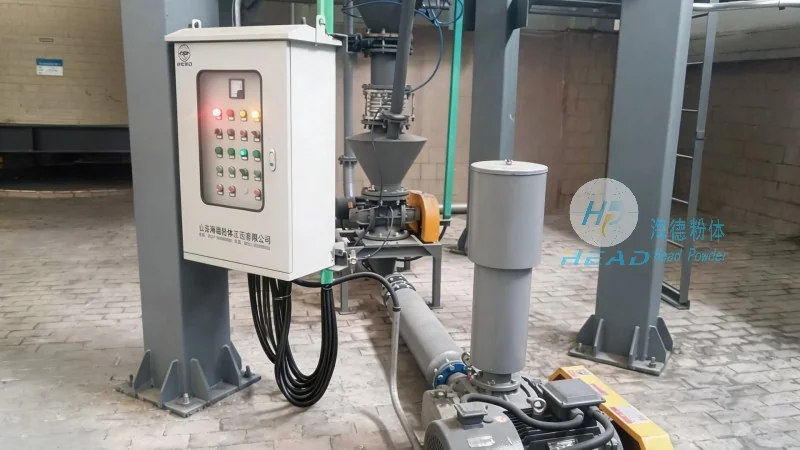
Screw Conveyors for Controlled Material Transport
Screw conveyors, also known as auger conveyors, are widely used for the horizontal or slight incline transport of anode materials. These systems consist of a rotating screw (auger) inside a cylindrical tube, which moves material forward through the rotation. Screw conveyors are particularly effective for handling dry, free-flowing materials like graphite powders and carbon blacks. They offer precise control over the flow rate and can be easily integrated into existing production lines. The design allows for minimal material spillage and contamination, making them ideal for maintaining the high purity standards required in battery manufacturing. Shandong HeadPowder Engineering Co., Ltd. specializes in designing and manufacturing customized screw conveyors tailored to the specific needs of anode material handling, ensuring optimal performance and durability.
Pneumatic Conveying Systems for Bulk Material Handling
Pneumatic conveying systems use air or other gases to transport anode materials through a network of pipes. This method is particularly suitable for materials that are fine, dusty, or require dust-free handling. There are two main types of pneumatic conveyors: pressure and vacuum systems. Pressure systems push material through the pipe using compressed air, while vacuum systems draw material into the system using a vacuum pump. Pneumatic conveyors offer high flexibility, as they can transport materials over long distances and even vertically, without the need for complex machinery. They are also effective in preventing material contamination and are often used in cleanroom environments. Shandong HeadPowder Engineering Co., Ltd. provides advanced pneumatic conveying solutions that ensure efficient and reliable transport of anode materials, maintaining the integrity of the product throughout the process.
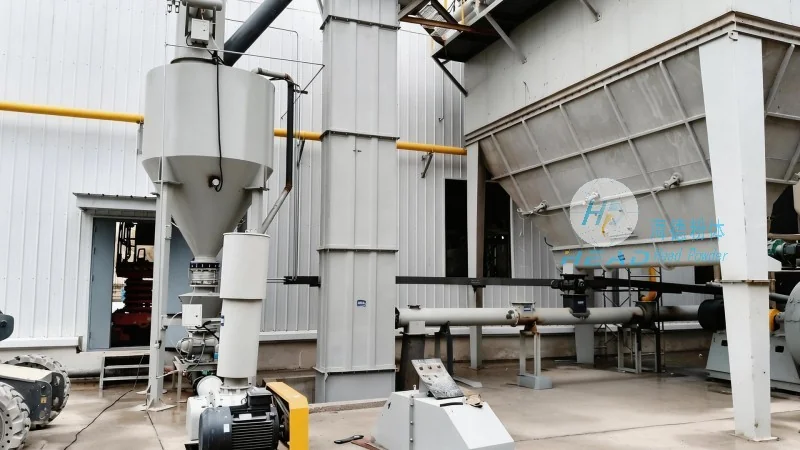
Belt Conveyors for Large-Scale Material Transport
Belt conveyors are another common method for transporting anode materials, especially in large-scale production facilities. These systems use a continuous belt to move materials from one point to another, often over long distances and at high speeds. Belt conveyors are ideal for handling bulk quantities of materials, such as graphite flakes or silicon powders, and can be configured with multiple sections and elevators to accommodate different operational needs. They offer high throughput and are relatively low maintenance compared to other systems. However, they require careful alignment and maintenance to prevent material spillage and ensure smooth operation. Shandong HeadPowder Engineering Co., Ltd. designs robust belt conveyor systems that are engineered for heavy-duty use, ensuring reliable performance in demanding battery manufacturing environments.
Vertical Conveyors for Space-Efficient Material Handling
Vertical conveyors are used to transport anode materials vertically, often in facilities with limited horizontal space. These systems can be either screw-based or belt-based and are designed to move materials from lower to higher levels efficiently. Vertical conveyors are particularly useful in battery manufacturing plants where space is at a premium. They offer a compact solution for elevating materials to processing units or storage areas without the need for extensive horizontal infrastructure. Shandong HeadPowder Engineering Co., Ltd. specializes in vertical conveyor systems that are optimized for anode material handling, ensuring minimal downtime and maximum operational efficiency.
Customized Solutions for Specific Material Properties
Each anode material has unique properties, such as particle size, moisture content, and flow characteristics, which can affect the choice of conveyance method. For example, materials with high moisture content may require special handling to prevent caking or degradation, while materials with fine particles may need dust control measures. Shandong HeadPowder Engineering Co., Ltd. understands these nuances and provides customized conveyance solutions tailored to the specific properties of the anode materials being handled. Their engineering team works closely with clients to assess material characteristics, operational requirements, and environmental constraints to design the most effective conveyance system. This approach ensures that the chosen method not only meets the current needs but also accommodates future expansion and technological advancements.
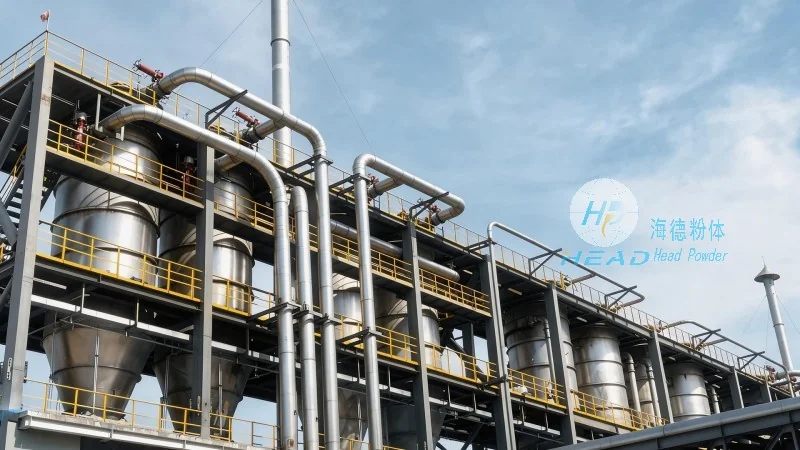
Ensuring Efficiency and Reliability in Anode Material Conveyance
The success of anode material conveyance systems depends on several factors, including proper maintenance, regular inspections, and the use of high-quality components. Regular maintenance helps prevent equipment failure, reduces downtime, and ensures consistent material flow. Additionally, using durable and corrosion-resistant materials for the conveyor components is essential, especially when handling materials that may be acidic or abrasive. Shandong HeadPowder Engineering Co., Ltd. emphasizes the importance of maintaining high standards in equipment design and manufacturing to deliver reliable and long-lasting conveyance solutions. Their commitment to quality and customer satisfaction has made them a trusted partner for battery manufacturers seeking efficient and effective anode material handling systems.
By understanding the various conveyance methods and selecting the most appropriate system for their specific needs, battery manufacturers can enhance operational efficiency, reduce costs, and improve product quality. Shandong HeadPowder Engineering Co., Ltd. continues to lead the way in providing innovative and reliable solutions for anode material conveyance, supporting the growth and success of the battery industry.