

What Are the Methods of Refractory Material Conveying?
Refractory materials are essential components in various high-temperature industrial applications, such as steelmaking, cement production, and glass manufacturing. The efficient and reliable transportation of these materials is crucial for maintaining production efficiency and safety. Different conveying methods are employed based on the material properties, production scale, and operational environment. This article explores the common methods of refractory material conveying, highlighting the key considerations and applications.
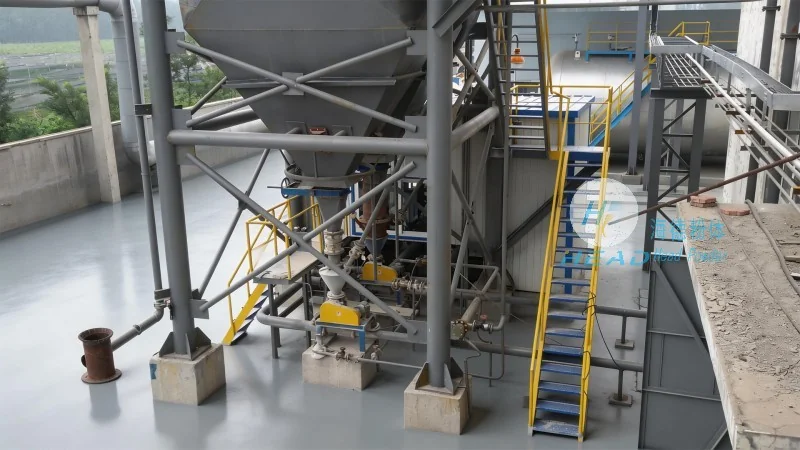
Introduction to Refractory Material Conveying
Refractory materials, including bricks, powders, and granules, require specialized handling due to their high temperature resistance and often abrasive nature. Conveying systems must be designed to handle these materials without degradation, ensuring minimal loss and contamination. The choice of conveying method depends on factors like material size, moisture content, and the distance to be transported. For instance, bulk refractory powders and granules are typically transported over longer distances, while brick pieces may be moved over shorter distances within a facility.
1. Screw Conveyors for Refractory Materials
Screw conveyors, also known as auger conveyors, are widely used for the horizontal or slight inclined transport of refractory powders and granules. These systems consist of a rotating helical screw inside a trough, which pushes the material forward. The design allows for enclosed transport, protecting the material from dust and moisture. Screw conveyors are particularly suitable for handling dry refractory powders with low moisture content, as they prevent material segregation and ensure consistent flow. The smooth operation of screw conveyors minimizes wear on the material and the equipment, extending the service life of the conveying system. HeadPowder, a leading manufacturer in the refractory industry, offers high-quality screw conveyors tailored to the specific needs of refractory material transport. Our screw conveyors are engineered with durable materials, such as stainless steel or corrosion-resistant alloys, to withstand the harsh conditions of refractory material handling.
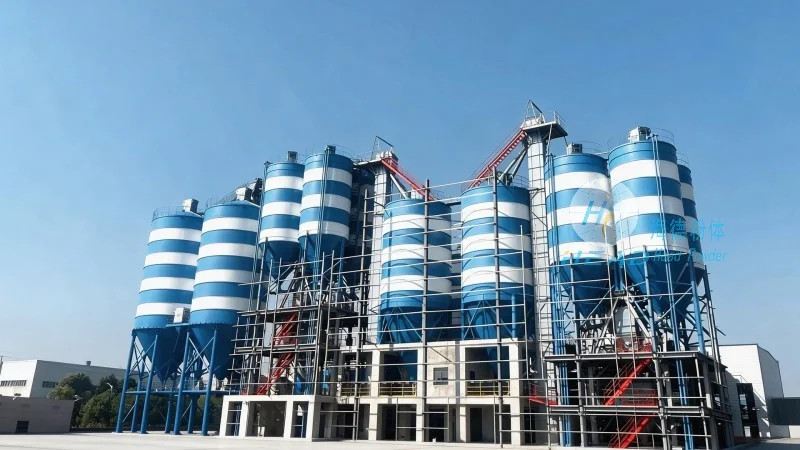
2. Belt Conveyors for Bulk Refractory Transport
Belt conveyors are another common method for transporting refractory materials, especially in large-scale industrial settings. These systems use a continuous belt loop that moves over rollers, transporting the material from one point to another. Belt conveyors are ideal for handling bulk quantities of refractory bricks, blocks, or granules over longer distances. The design allows for high throughput and minimal maintenance, making them a cost-effective solution for continuous production lines. HeadPowder’s belt conveyor systems are designed with heavy-duty belts and robust frame structures to handle the weight and abrasiveness of refractory materials. The conveyors are equipped with safety features, such as emergency stop mechanisms and overload protection, ensuring safe operation in industrial environments.
3. Pneumatic Conveying Systems for Refractory Powders
Pneumatic conveying systems use air or gas to transport refractory powders and fine particles. These systems are particularly effective for handling materials that are difficult to convey mechanically, such as fine powders that tend to clog or segregate. Pneumatic conveyors can be either positive pressure (where air pushes the material) or negative pressure (where air pulls the material). The choice of system depends on the material properties and the distance to be transported. Pneumatic conveying offers advantages like enclosed transport, which reduces dust emissions and improves workplace safety. HeadPowder provides advanced pneumatic conveying solutions for refractory powders, incorporating high-efficiency blowers and flexible ducting to ensure reliable material transport. Our systems are designed to handle various refractory powders, including alumina, silica, and magnesia, with minimal material degradation.
4. Bucket Elevators for Vertical Refractory Transport
Bucket elevators are used for vertical transport of refractory materials, such as bricks or granules, from lower to higher levels in a facility. These systems consist of a continuous chain with buckets attached, which moves the material up a vertical or inclined shaft. Bucket elevators are ideal for applications where vertical movement is required, such as feeding raw materials into high-temperature furnaces. The design ensures efficient material transport with minimal spillage and dust generation. HeadPowder’s bucket elevators are engineered with heavy-duty buckets and robust drive systems to handle the weight and abrasiveness of refractory materials. The elevators are equipped with safety features, such as overload sensors and emergency stop buttons, to prevent accidents during operation.
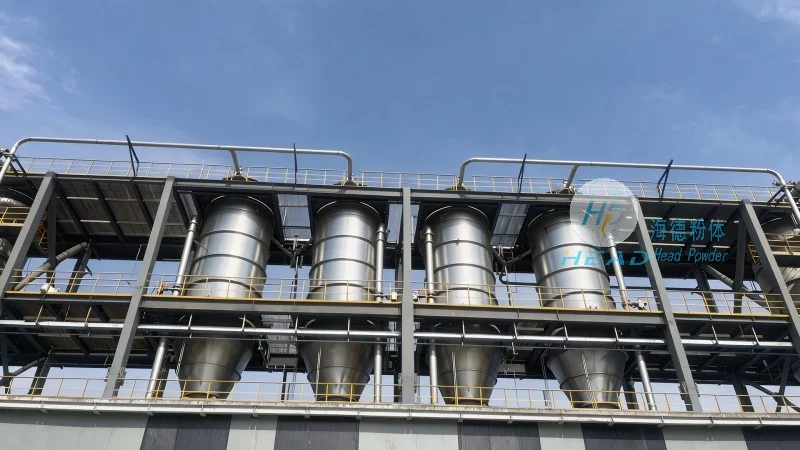
5. Vibrating Conveyors for Refractory Material Handling
Vibrating conveyors use vibrations to move refractory materials along a trough. These systems are suitable for handling materials with high moisture content or those that tend to stick to the conveying surface. The vibrations help to prevent material buildup and ensure smooth flow. Vibrating conveyors are often used in applications where gentle handling is required, such as transporting refractory bricks or precast components. HeadPowder offers vibrating conveyor systems designed with adjustable vibration frequencies and amplitudes to optimize material transport. Our conveyors are constructed with corrosion-resistant materials to withstand the harsh conditions of refractory material handling, ensuring long-term reliability.
Conclusion: Choosing the Right Refractory Material Conveying Method
The selection of a refractory material conveying method depends on several factors, including the material type, production scale, and operational environment. Each method has its advantages and limitations, and the choice should be based on a thorough analysis of the specific requirements. HeadPowder, with its expertise in refractory engineering, provides comprehensive conveying solutions tailored to the needs of industrial clients. Our team of engineers works closely with clients to assess their material handling requirements and recommend the most suitable conveying system. By leveraging our experience and advanced technology, we help clients optimize their production processes, improve efficiency, and ensure safe and reliable transport of refractory materials.