

[HOW TO TRANSPORT SEDIMENT AND SAND?]
Sediment and sand transport is a critical process in various industries, including construction, mining, and environmental management. The efficient movement of these materials is essential for project success and environmental sustainability. Understanding the different methods of sediment and sand transport is crucial for selecting the most appropriate approach for specific applications. In this article, we will explore the primary methods used for transporting sediment and sand, highlighting their applications, advantages, and considerations.
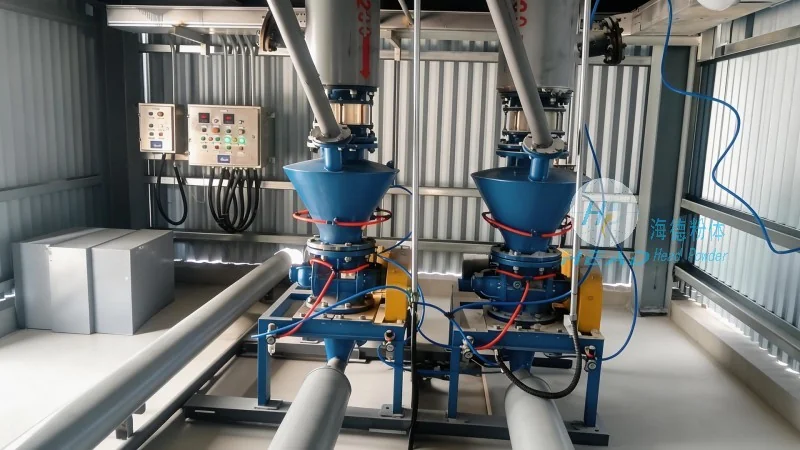
Introduction to Sediment and Sand Transport
Sediment and sand are often transported as part of larger material handling operations. These materials can be found in rivers, lakes, construction sites, and mining areas. The goal of sediment transport is to move these materials from one location to another while minimizing environmental impact and ensuring operational efficiency. Various techniques have been developed to achieve this, ranging from traditional water-based methods to modern mechanical systems.
Common Methods of Sediment and Sand Transport
There are several established methods for transporting sediment and sand, each with its own set of advantages and limitations. The choice of method depends on factors such as the volume of material, distance to be transported, environmental regulations, and the nature of the material itself. Below are some of the most common approaches used in the industry.
1. Hydraulic Transport (Waterways and Pipelines)
Hydraulic transport, also known as waterway transport, is one of the most widely used methods for moving large volumes of sediment and sand. This method involves using water to carry the material through a channel or pipeline. The process typically involves creating a flow of water that carries the sediment downstream or to a designated destination. Hydraulic transport is particularly effective for transporting materials over long distances and in large quantities.
Companies like Shandong HeadPowder Engineering Co., Ltd. specialize in designing and implementing hydraulic transport systems. Their expertise in civil engineering and material handling ensures that projects are completed efficiently and in compliance with environmental standards. The company’s solutions often include the use of high-capacity pipelines and advanced water management systems to optimize sediment transport.
2. Mechanical Transport (Conveyors and Trucks)
Mechanical transport methods involve the use of machinery to move sediment and sand. This includes conveyors, trucks, and other equipment designed to handle bulk materials. Mechanical transport is commonly used for shorter distances and when the material needs to be transported to a specific location for immediate use. This method offers greater control over the material's movement and can be adapted to various site conditions.
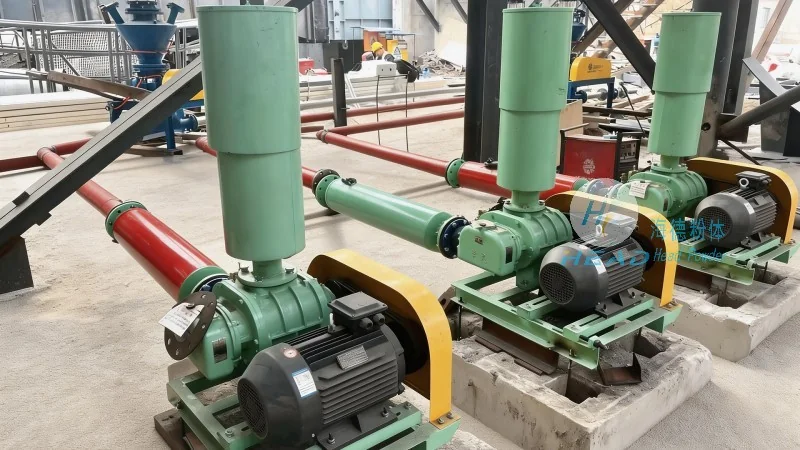
HeadPowder, as a leading provider in the field, offers a range of mechanical transport solutions tailored to different project requirements. Their equipment is designed to handle diverse sediment types, ensuring reliable and efficient material movement. The company's focus on durability and performance makes their mechanical transport systems a trusted choice for many clients.
3. Slurry Transport
Slurry transport is a specialized form of hydraulic transport where the sediment is mixed with water to create a slurry. This mixture is then pumped through pipelines to the desired location. Slurry transport is particularly useful for transporting fine-grained materials that might otherwise settle in traditional waterways. It allows for the movement of materials over longer distances without the need for constant agitation.
Shandong HeadPowder Engineering Co., Ltd. has extensive experience in slurry transport systems. Their engineers design slurry pipelines and pumping stations that can handle high concentrations of sediment, ensuring minimal loss and maximum efficiency. The company's commitment to innovation has led to the development of advanced slurry transport technologies that meet the evolving needs of the industry.
4. Dredging and Offloading
Dredging is a method used to remove sediment and sand from water bodies or construction sites. This process involves using specialized equipment to excavate and transport the material. Dredging is often used to maintain waterways, deepen harbors, or prepare construction sites. The material is then transported to a disposal or processing site using various methods, including hydraulic transport or mechanical trucks.
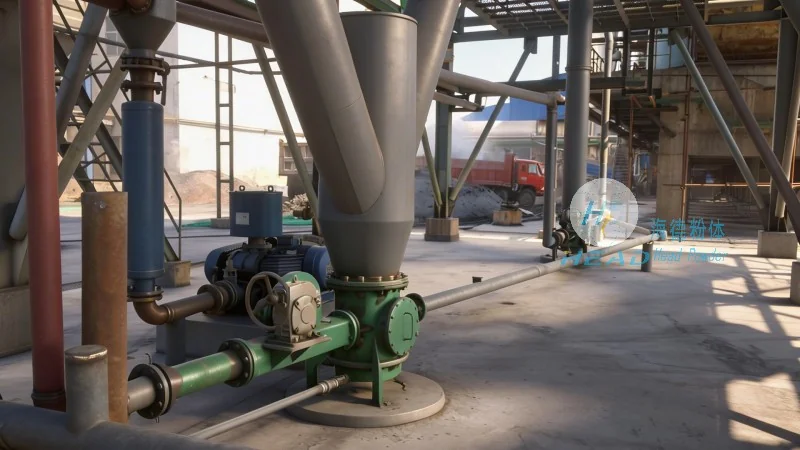
HeadPowder provides comprehensive dredging and offloading services, integrating the latest technology to ensure safe and efficient operations. Their dredging equipment is capable of handling a wide range of sediment types and depths, making them a reliable partner for projects requiring dredging services. The company's expertise in environmental compliance ensures that dredging activities are conducted in an environmentally responsible manner.
Factors to Consider When Choosing a Transport Method
When selecting a sediment and sand transport method, several factors must be taken into account. The volume and type of material, the distance to be transported, and the environmental impact are all critical considerations. Additionally, the cost of equipment, maintenance, and operational efficiency play a significant role in the decision-making process.
For instance, hydraulic transport may be more cost-effective for long-distance, large-scale projects, while mechanical transport is preferable for shorter distances or when the material needs to be delivered to a specific location for immediate use. The choice of method also depends on the regulatory environment, as some areas may have restrictions on the use of certain transport techniques.
Conclusion
Sediment and sand transport is a complex process that requires careful planning and execution. The methods discussed above offer various solutions to the challenges of moving these materials. By understanding the advantages and limitations of each method, project managers can select the most appropriate approach for their specific needs. Companies like Shandong HeadPowder Engineering Co., Ltd. play a vital role in providing the expertise and technology needed to implement these transport methods effectively.
Whether through hydraulic, mechanical, or slurry transport, the goal is to move sediment and sand efficiently while minimizing environmental impact. With the right approach and equipment, these materials can be transported safely and sustainably, contributing to the success of various projects and the protection of natural resources.