

What Are the Methods of Salt Transportation?
When it comes to the transportation of salt, various methods are employed to ensure efficient and safe delivery from production sites to end-users. These methods vary based on the scale of operation, the type of salt (such as table salt, industrial salt, or de-icing salt), and the distance involved. Understanding these methods is crucial for industries that rely on consistent salt supply, including food processing, de-icing services, and chemical manufacturing.
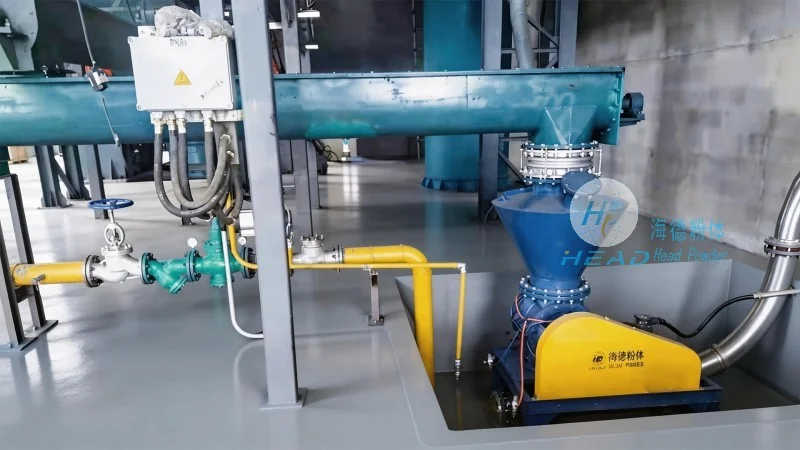
1. Pipeline Transportation for Bulk Salt
For large-scale operations, pipeline transportation is a common and efficient method. This involves using specialized pipelines to move bulk salt from storage facilities or production plants directly to processing centers or distribution points. The system typically includes pumps, valves, and monitoring equipment to control the flow and ensure that the salt remains in a dry, granular state during transit. This method minimizes the risk of contamination and loss, making it ideal for industrial applications where large quantities of salt are required.
2. Belt Conveyor Systems for Bulk Material Handling
Belt conveyor systems are widely used in salt transportation, especially in mining and processing facilities. These systems consist of a continuous belt that moves salt from one location to another, often over long distances. The design allows for the handling of large volumes of salt with minimal labor, and the conveyors can be customized to accommodate different particle sizes and moisture levels. Companies like Shandong HeadPowder Engineering Co., Ltd. specialize in designing and manufacturing such conveyor systems, ensuring durability and efficiency in salt handling operations.
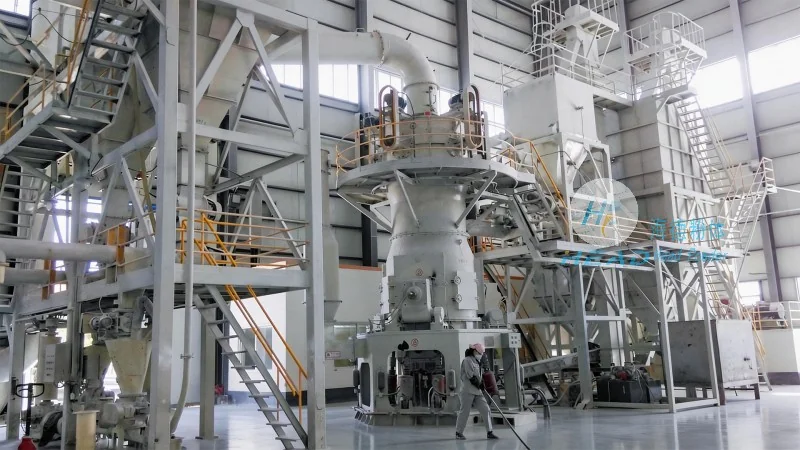
3. Screw Conveyors for Vertical and Horizontal Transport
Screw conveyors are another essential method for salt transportation, particularly for moving salt in vertical or horizontal directions within processing plants. These conveyors use a rotating screw to push the salt along a trough, making them suitable for both small and large-scale applications. They are often used in combination with other equipment, such as hoppers and storage bins, to create a seamless flow of salt from storage to processing or packaging areas. The compact design of screw conveyors allows for integration into existing facilities without significant modifications.
4. Bagging and Packaging for Retail and Small-Scale Use
For retail and small-scale applications, salt is often transported in bags or containers. This method involves loading bulk salt into packaging machines, which then fill and seal bags of various sizes (e.g., 1 kg, 5 kg, or 25 kg). The packaging process ensures that the salt is protected from moisture and contamination, making it suitable for consumer use. Companies like HeadPowder provide specialized bagging equipment and solutions tailored to the salt industry, ensuring consistent quality and compliance with packaging standards.
5. Truck and Rail Transport for Long-Distance Delivery
For long-distance transportation, trucks and rail are commonly used to move salt from production sites to regional or national markets. Trucks are ideal for shorter distances and can deliver salt directly to distribution centers or retail outlets. Rail transport, on the other hand, is more suitable for bulk shipments over longer distances, as it can carry large quantities of salt in specialized railcars. Both methods are essential for ensuring that salt reaches remote areas or large urban centers, supporting the needs of various industries.
6. Environmental Considerations in Salt Transportation
While efficient transportation is crucial, environmental considerations are also important in salt handling. For example, in de-icing applications, salt must be transported and applied in a way that minimizes runoff and environmental impact. Companies like Shandong HeadPowder Engineering Co., Ltd. incorporate sustainable practices into their transportation and handling processes, ensuring that salt is used responsibly while maintaining operational efficiency.