

What Are the Methods of Condiment Conveying?
Condiment conveying is a critical process in the food processing industry, ensuring efficient and hygienic transfer of various flavoring ingredients. For businesses in the culinary sector, understanding the different methods of condiment conveying is essential for optimizing production lines and maintaining product quality. This article explores the primary methods used for condiment conveying, highlighting the advantages and applications of each approach.
1. Gravity Conveying Systems
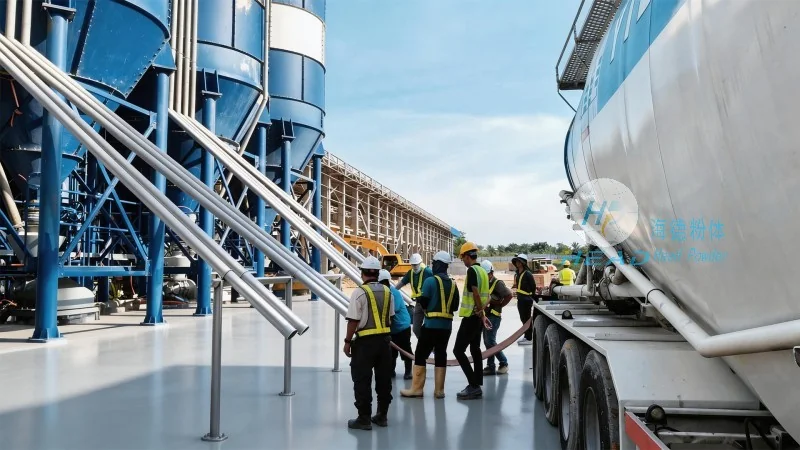
Gravity conveying systems utilize the natural force of gravity to move condiments from one point to another. These systems typically consist of inclined chutes or troughs that allow the product to flow downward without the need for external power. The design of gravity conveyors is often tailored to the specific characteristics of the condiment, such as its density, viscosity, and particle size. For example, powders like spices or seasonings may be conveyed using a series of hoppers and chutes, while liquid condiments might use sloped pipes or troughs. The key advantage of gravity conveying is its energy efficiency, as it requires no moving parts or electricity. However, this method is most effective when the conveying distance is short and the product flow is consistent. In industrial settings, gravity conveyors are commonly used in combination with other systems to handle bulk quantities of condiments, ensuring a smooth transition from storage to processing areas.
2. Mechanical Conveying Methods
Mechanical conveying systems employ mechanical components to move condiments through the production line. The most common types include belt conveyors, screw conveyors, and chain conveyors. Belt conveyors use a continuous belt to transport condiments in a horizontal or slightly inclined direction. This method is ideal for conveying granular or powdered condiments, as the belt can be designed with appropriate spacing to prevent product buildup or segregation. Screw conveyors, also known as augers, use a rotating screw to push condiments forward. They are particularly effective for handling viscous or sticky condiments, as the screw’s design can maintain a consistent flow. Chain conveyors, on the other hand, use a series of chains with attached buckets or paddles to move condiments vertically or at an angle. These systems are suitable for conveying heavier or bulkier condiments, such as sauces or pastes. Mechanical conveying systems offer greater control over the speed and direction of the product flow, making them versatile for various production needs. However, they require regular maintenance to ensure smooth operation and prevent wear and tear on the components.
3. Pneumatic Conveying Systems
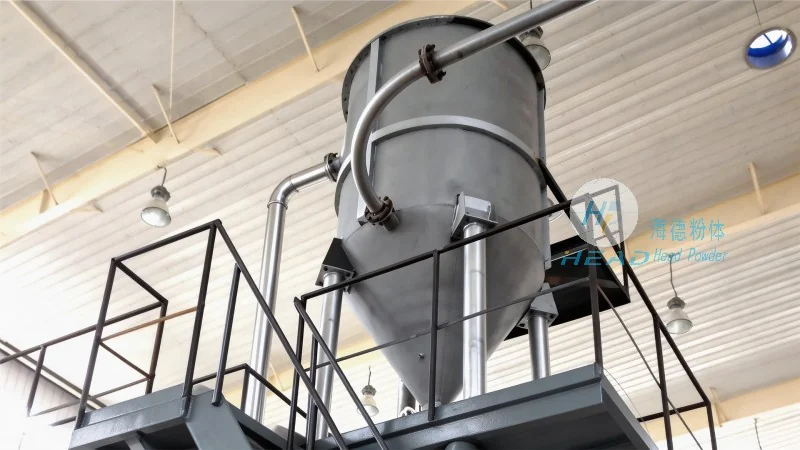
Pneumatic conveying systems use air or other gases to transport condiments through a network of pipes. This method is particularly useful for handling fine powders or granules that are difficult to convey using gravity or mechanical systems. There are two main types of pneumatic conveying: dilute-phase and dense-phase. Dilute-phase systems use low air velocities to move the product in a dispersed state, while dense-phase systems use higher air velocities to create a slurry-like mixture. The choice between these systems depends on the condiment’s properties and the required conveying distance. Pneumatic conveying offers advantages such as the ability to transport condiments over long distances and through multiple processing stages without the need for intermediate storage. It also allows for the integration of dust collection systems, ensuring a clean and safe working environment. However, pneumatic systems require careful design to prevent product degradation or loss due to high air velocities. Proper filtration and pressure control are essential to maintain the quality of the conveyed condiments.
4. Hydraulic Conveying Methods
Hydraulic conveying systems use liquid as the medium to transport condiments. This method is commonly used for liquid or semi-liquid condiments, such as sauces, dressings, or syrups. The system typically consists of a pump, a pipeline network, and control valves. The condiment is pumped through the pipes using hydraulic pressure, allowing it to be transported to different parts of the production line. Hydraulic conveying offers high efficiency and the ability to handle large volumes of liquid condiments. It is particularly effective for conveying products that are sensitive to temperature changes or require precise flow control. However, hydraulic systems require regular maintenance to prevent leaks or blockages in the pipelines. Proper sealing and cleaning protocols are necessary to maintain the hygienic standards required in the food industry.
5. Combined Conveying Systems
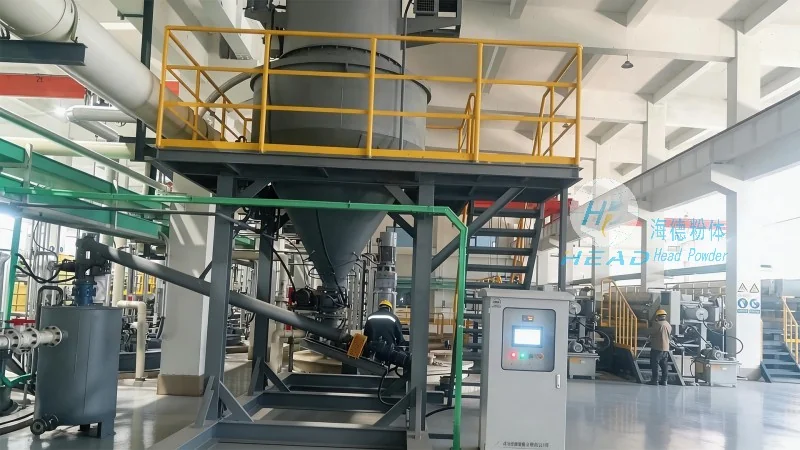
In many industrial applications, a combination of the above methods is used to achieve optimal condiment conveying. For example, a gravity conveyor might be used to transport bulk powders from a silo to a mechanical screw conveyor, which then feeds a pneumatic system for final processing. This integrated approach allows for flexibility and efficiency, as each system is chosen based on the specific characteristics of the condiment and the production requirements. Companies like Shandong HeadPowder Engineering Co., Ltd. specialize in designing and manufacturing customized conveying systems that combine multiple technologies to meet the unique needs of their clients. By leveraging the expertise of such companies, food processing businesses can enhance their production efficiency and maintain product quality throughout the conveying process.
Conclusion
Choosing the right method of condiment conveying is crucial for the success of any food processing operation. Each method has its own advantages and limitations, and the selection depends on factors such as the type of condiment, the distance to be conveyed, and the production volume. By understanding the different options available and consulting with industry experts, businesses can select the most suitable conveying system to optimize their operations. Whether using gravity, mechanical, pneumatic, or hydraulic systems, or a combination thereof, the goal is to ensure efficient, hygienic, and cost-effective transfer of condiments from storage to processing and packaging stages. With the right approach, companies can enhance their productivity and maintain the high standards required in the food industry.