

How are Perlite Conveyed?
Perlite, a lightweight, porous volcanic rock utilized in various industrial and construction applications, requires efficient and reliable conveying methods to move it from storage to processing or end-use locations. Shandong HeadPowder Engineering Co., Ltd., a leading manufacturer in the field, specializes in providing tailored solutions for perlite conveying systems. This article explores the primary methods used for perlite transport, highlighting the advantages and considerations for each approach.
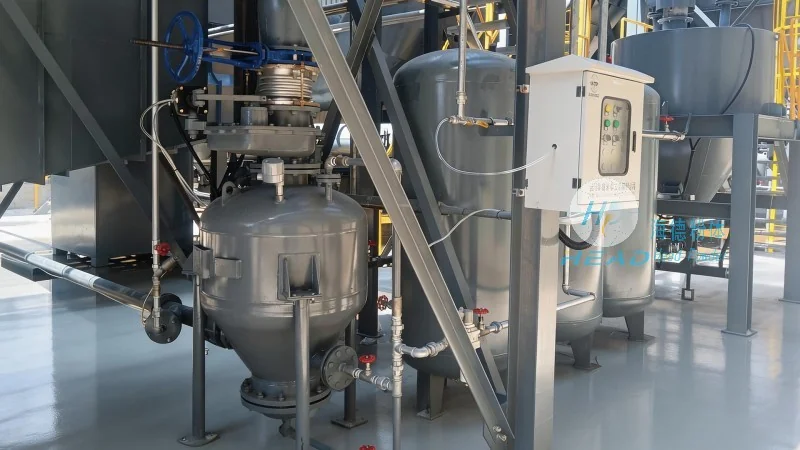
1. Mechanical Conveying Systems
Mechanical conveying is a traditional and widely used method for perlite transport. This approach involves the use of equipment such as belt conveyors, screw conveyors, and bucket elevators. Belt conveyors are particularly effective for horizontal or slightly inclined transport, offering high capacity and low maintenance costs. They are ideal for moving large volumes of perlite over moderate distances. Screw conveyors, on the other hand, are suitable for vertical or inclined transport, as they can handle materials with a higher degree of moisture or fine particles. Bucket elevators are used for vertical transport, especially when dealing with bulk materials that need to be lifted to significant heights. The choice of mechanical conveyor depends on the specific application, material characteristics, and operational requirements. For instance, belt conveyors are preferred in mining and construction industries where perlite is used as an insulating material, while screw conveyors are often employed in processing plants for handling fine perlite powders.
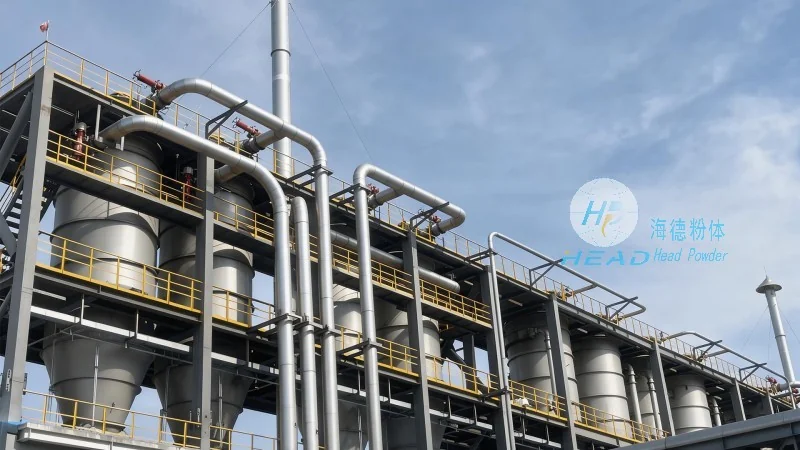
2. Pneumatic (Air) Conveying Systems
Pneumatic conveying, also known as air conveying, is another common method for perlite transport. This technique uses compressed air to move perlite particles through a pipeline. There are two main types of pneumatic conveying systems: dilute-phase and dense-phase. Dilute-phase systems are suitable for moving materials over short to medium distances and at relatively low velocities. They are cost-effective and easy to install, making them ideal for small-scale operations or for transporting perlite from storage to a nearby processing unit. Dense-phase systems, in contrast, are used for longer distances or when higher material density is required. They operate at lower air velocities and higher material concentrations, reducing the risk of material degradation and ensuring more efficient transport. Pneumatic conveying is particularly advantageous for handling fine perlite powders, as it minimizes dust generation and provides a cleaner working environment. However, it requires careful consideration of air pressure, pipeline design, and material flow rates to prevent blockages or system inefficiencies.
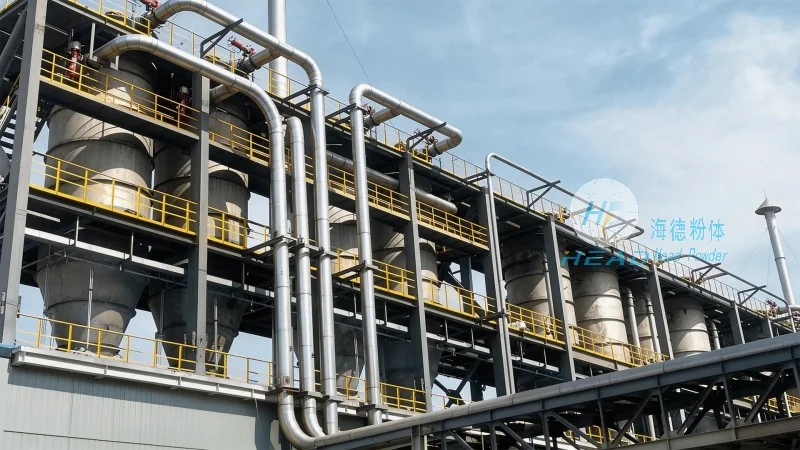
3. Hydraulic Conveying Systems
Hydraulic conveying systems utilize water or other liquids to transport perlite particles. This method is less common for perlite but is sometimes used in specific applications, such as in the mining industry where perlite is mixed with water to create a slurry for transport. The slurry is then pumped through pipelines to the processing site. Hydraulic conveying offers the advantage of being able to transport perlite over long distances with relatively low energy consumption. However, it requires additional equipment for slurry preparation and separation, which can increase operational costs. The system also needs to be designed to handle the potential for clogging due to the fine particles in the slurry. Hydraulic conveying is typically used in situations where other methods are not feasible, such as when dealing with very fine perlite powders or when the distance to be covered is extensive.
4. Combination Conveying Systems
In many industrial settings, a combination of mechanical and pneumatic conveying systems is employed to optimize perlite transport. For example, a belt conveyor may be used to move perlite from a storage silo to a pneumatic conveying line, where it is then transported to the processing plant. This hybrid approach leverages the strengths of both methods: the mechanical conveyor for initial transport and the pneumatic system for final delivery. Combination systems are particularly effective in large-scale operations where different stages of the production process require different conveying technologies. They allow for flexibility in handling varying material volumes and characteristics, ensuring efficient and reliable perlite transport throughout the entire process.
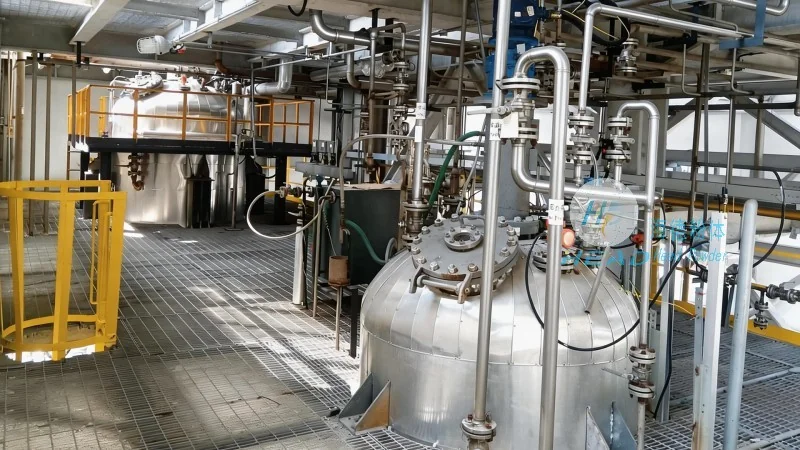
5. Factors Influencing Conveying Method Selection
The choice of perlite conveying method is influenced by several factors, including the material's properties, the distance to be covered, the required capacity, and the operational environment. Perlite's lightweight and porous nature means that it can be easily handled by both mechanical and pneumatic systems, but the specific characteristics of the material, such as its particle size and moisture content, play a crucial role in determining the most suitable method. For instance, fine perlite powders are better suited for pneumatic conveying due to their tendency to cause blockages in mechanical systems. The distance between the storage and processing locations is another critical factor; short distances may allow for the use of simple mechanical conveyors, while longer distances may necessitate pneumatic or hydraulic systems. Additionally, the required capacity of the conveying system must be considered, as high-volume operations may require multiple conveyors or larger-diameter pipelines. The operational environment, including factors like dust control and noise levels, also influences the choice of system. For example, in environments where dust is a concern, pneumatic conveying may be preferred over mechanical systems due to its enclosed pipeline design.