

Methods of Catalyst Powder Transportation
Efficient and safe transportation of catalyst powders is a critical aspect in industrial processes, particularly in chemical, petrochemical, and pharmaceutical industries. Catalyst powders are often sensitive materials that require specialized handling to prevent degradation, contamination, or loss of activity. Therefore, selecting the appropriate transportation method is essential for maintaining product quality and operational efficiency. This article explores various methods used for catalyst powder transportation, highlighting the key considerations and applications of each approach.
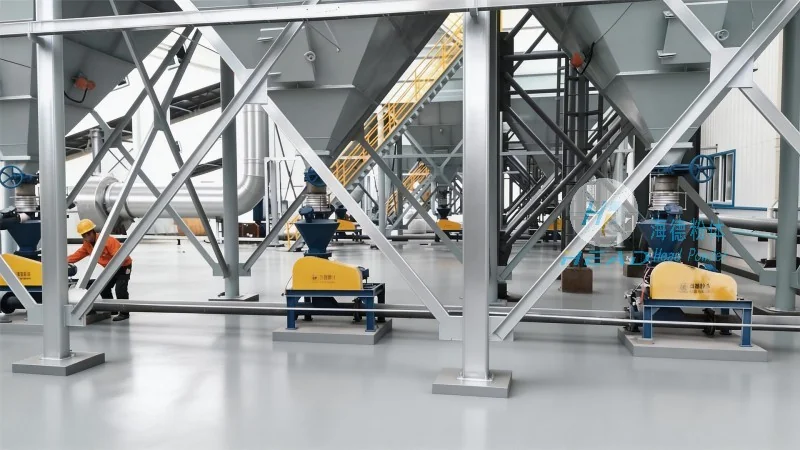
1. Air-Flow (Pneumatic) Conveying Systems
Air-flow or pneumatic conveying systems are widely used for transporting catalyst powders due to their ability to handle fine, abrasive, or sticky materials. These systems utilize compressed air or other gases to move the powder through a pipeline. There are two main types of pneumatic conveying: pressure and vacuum systems. Pressure systems use positive pressure to push the material forward, while vacuum systems use negative pressure to pull it. For catalyst powders, pressure systems are often preferred as they can handle higher material loads and are more suitable for long-distance transport. The design of the system, including the type of air nozzles, pipeline diameter, and air velocity, is crucial to ensure efficient and gentle handling of the powder. Proper maintenance of the system, such as cleaning filters and checking for air leaks, is essential to prevent material buildup and maintain performance.
2. Mechanical Conveying Equipment
Mechanical conveying equipment, such as screw conveyors, belt conveyors, and bucket elevators, are commonly used for catalyst powder transportation. Screw conveyors are particularly effective for horizontal or slightly inclined transport of dry powders. They consist of a rotating screw inside a trough, which moves the material forward. The speed and pitch of the screw can be adjusted to control the flow rate and prevent material degradation. Belt conveyors are suitable for larger volumes and can transport the powder over longer distances. They are often used in combination with other equipment, such as hoppers and feeders, to create a continuous material handling system. Bucket elevators are used for vertical transport and can handle a wide range of materials, including catalyst powders. The choice of mechanical conveyor depends on factors like the material's bulk density, flowability, and the required transport distance.
3. Vacuum Conveying Systems
Vacuum conveying systems are another option for transporting catalyst powders, especially when the material needs to be moved from a lower to a higher elevation or when the process requires a closed system to prevent dust emissions. These systems use a vacuum pump to create a negative pressure that draws the powder into the pipeline. Vacuum systems are generally more gentle on the material compared to pressure systems, as they do not use high air velocities. This makes them suitable for handling delicate or friable catalyst powders that could be damaged by high-velocity air. However, vacuum systems have limitations in terms of transport distance and material load capacity. They are typically used for short to medium distances and for smaller quantities of material.
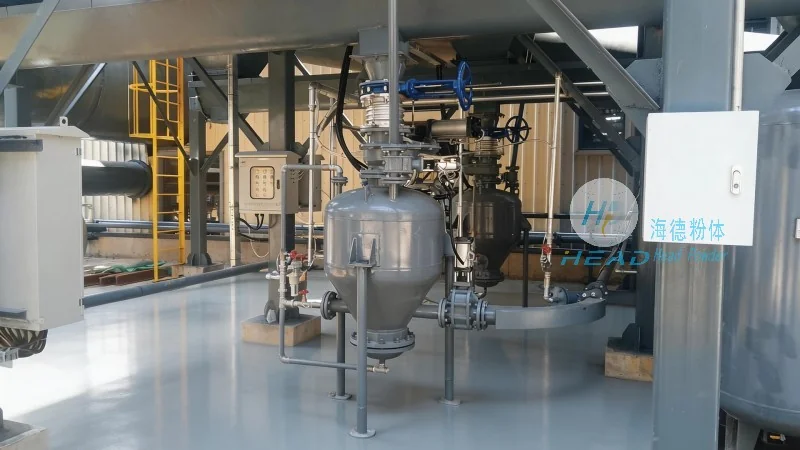
4. Hydraulic Conveying
Hydraulic conveying systems use a liquid medium, such as water or a specific fluid, to transport catalyst powders. This method is particularly effective for handling materials that are difficult to convey using air or mechanical means. The powder is mixed with the liquid to form a slurry, which is then pumped through a pipeline. The slurry is later separated from the liquid, and the powder is recovered. Hydraulic conveying is often used in industries where the material is highly abrasive or where the process requires a closed system to prevent contamination. However, this method has drawbacks, including higher energy consumption and the need for additional equipment for slurry separation and liquid recycling.
5. Specialized Handling Solutions
For certain applications, specialized handling solutions may be required to ensure the safe and efficient transport of catalyst powders. These solutions may include the use of flexible hoses, rotary valves, and dust collection systems. Flexible hoses are used to connect different parts of the conveying system and allow for movement or adjustments without disrupting the flow. Rotary valves are used to control the flow of material from the hopper into the conveyor system, preventing backflow and ensuring a consistent feed rate. Dust collection systems are essential to maintain a clean and safe working environment by capturing any airborne particles. The selection of specialized equipment depends on the specific characteristics of the catalyst powder and the operational requirements of the process.
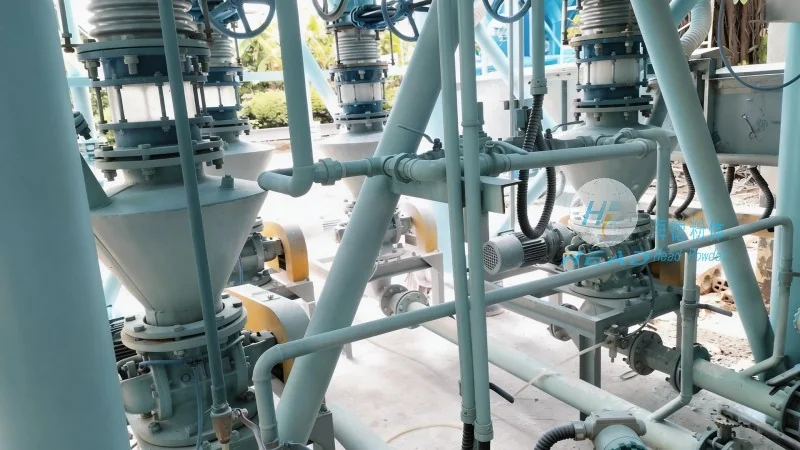
6. Factors Influencing the Choice of Transportation Method
The choice of catalyst powder transportation method depends on several factors, including the physical properties of the powder, the required transport distance, the volume of material to be handled, and the operational environment. The bulk density, flowability, and particle size of the catalyst powder are important considerations, as they affect the system's capacity and efficiency. The distance between the source and destination also plays a role, as different systems have varying maximum transport distances. The volume of material to be transported determines the size and capacity of the equipment needed. Additionally, the operational environment, such as the presence of dust or the need for a closed system, influences the selection of the most suitable method. Companies like Shandong HeadPowder Engineering Co., Ltd., a leading provider in the field, offer customized solutions based on these factors to ensure optimal performance and safety.
7. Maintenance and Safety Considerations
Maintenance and safety are critical aspects of catalyst powder transportation systems. Regular maintenance is necessary to ensure the system operates efficiently and to prevent equipment failure. This includes checking for wear and tear on components, cleaning filters and hoppers, and inspecting for leaks or blockages. Proper safety measures must be in place to protect workers from dust exposure and other hazards. This includes using personal protective equipment (PPE), such as respirators and gloves, and implementing dust control measures, such as local exhaust ventilation. Training employees on the proper operation and maintenance of the system is also essential to ensure safety and efficiency. Companies like Shandong HeadPowder Engineering Co., Ltd., provide guidance on maintenance and safety protocols to help clients maintain their systems in optimal condition.
8. Conclusion
In conclusion, the transportation of catalyst powders requires careful consideration of the material's properties and the operational requirements. Various methods, including air-flow, mechanical, vacuum, and hydraulic conveying, are available, each with its own advantages and limitations. The choice of method depends on factors such as distance, volume, and material characteristics. Proper maintenance and safety measures are essential to ensure the system operates efficiently and safely. Companies like Shandong HeadPowder Engineering Co., Ltd., offer expertise and customized solutions to help industries select and implement the most suitable transportation method for their catalyst powders, ensuring optimal performance and product quality.