

What Are the Methods for Nickel Sulfate Crystallization Conveying?
When it comes to the processing and handling of nickel sulfate, especially in industrial applications, the method of crystallization conveying plays a crucial role in ensuring efficient production and product quality. As a leading provider in the field, Shandong HeadPowder Engineering Co., Ltd. (commonly known as HeadPowder) specializes in advanced solutions for material handling, including various techniques for transporting crystallized nickel sulfate. This article explores the different approaches used for nickel sulfate crystallization conveying, highlighting the key considerations and practical applications in industrial settings.
Common Conveying Methods for Nickel Sulfate Crystals
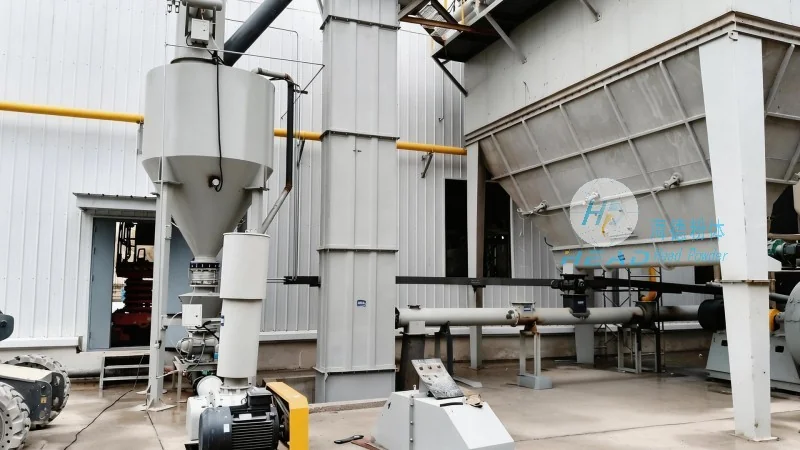
There are several established methods for conveying nickel sulfate crystals, each with its own advantages and suitable applications. The primary methods include mechanical conveying systems, pneumatic conveying systems, and specialized handling equipment designed for crystalline materials. Each method is selected based on factors such as the size and moisture content of the crystals, the distance to be conveyed, and the overall production environment.
Mechanical Conveying Systems
Mechanical conveying systems are widely used for nickel sulfate crystallization conveying due to their reliability and efficiency. These systems typically involve components like screw conveyors, belt conveyors, and bucket elevators. Screw conveyors, for instance, are ideal for transporting dry or slightly moist crystals over short to medium distances. They operate by rotating a screw within a trough, pushing the material forward. Belt conveyors, on the other hand, are suitable for larger volumes and can handle a wider range of crystal sizes. They consist of a continuous belt that moves over rollers, allowing for smooth and consistent transport. Bucket elevators are used when vertical or steep incline transport is required, lifting the crystals from lower to higher levels. Mechanical systems are generally preferred in environments where power is readily available and where the risk of dust or material loss is minimal.
Pneumatic Conveying Systems
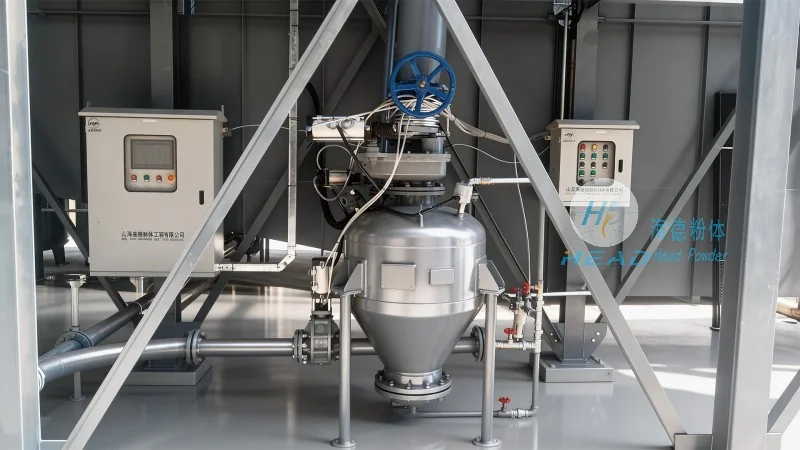
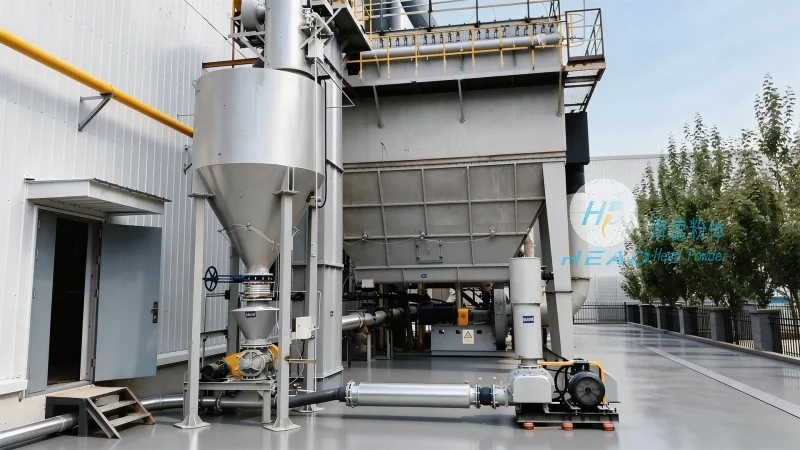
Pneumatic conveying systems utilize air or gas to transport nickel sulfate crystals through a pipeline. This method is particularly effective for handling fine or dusty crystals that might be difficult to handle with mechanical systems. There are two main types of pneumatic conveying: pressure and vacuum systems. Pressure systems use compressed air to push the material through the pipeline, while vacuum systems use a vacuum to draw the material in. Pneumatic conveying offers advantages such as the ability to transport materials over longer distances without the need for multiple transfer points, and it can be integrated with other processing equipment. However, it requires careful design to prevent material degradation or blockages, and it may not be suitable for very large or heavy crystals.
Specialized Handling Equipment
For specific applications, specialized handling equipment may be employed to ensure the safe and efficient transport of nickel sulfate crystals. For example, vibratory conveyors use vibrations to move the material along a trough, which is effective for handling sticky or cohesive crystals that might clog other systems. Auger conveyors, similar to screw conveyors but with a helical screw, are used for more viscous or wet materials. Additionally, some facilities use magnetic or electrostatic conveyors to handle crystals that are prone to static charge buildup. These specialized systems are often customized to meet the unique requirements of the production process, ensuring optimal performance and product integrity.
Key Considerations for Choosing a Conveying Method
When selecting a conveying method for nickel sulfate crystallization, several factors must be considered to ensure the best results. The first is the physical properties of the crystals, including their size, shape, moisture content, and density. Larger, irregularly shaped crystals may require mechanical systems with larger diameters or wider belts, while fine powders might be better suited for pneumatic systems. The distance to be conveyed is another critical factor; for short distances, mechanical systems may be sufficient, while for longer distances, pneumatic or specialized equipment might be more efficient. The production environment also plays a role, as some methods may be more suitable for cleanroom or dust-controlled areas. Finally, the overall cost and maintenance requirements of the system should be evaluated, as different methods have varying operational and maintenance costs.
Application Examples in Industrial Settings
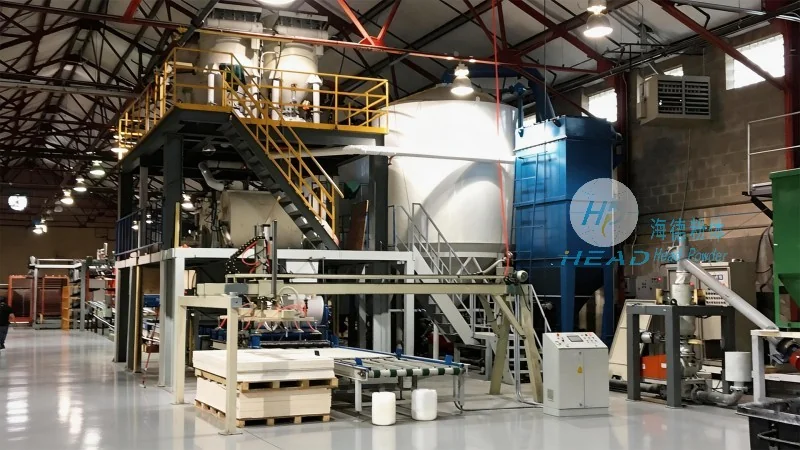
HeadPowder has successfully implemented various conveying methods for nickel sulfate crystallization in industrial settings. For instance, a client in the battery materials industry used a combination of screw conveyors and pneumatic systems to transport crystallized nickel sulfate from the crystallization tank to the drying and packaging areas. The screw conveyors handled the bulk transport over short distances, while the pneumatic system was used to transfer the material to the packaging line, ensuring a smooth and continuous process. Another application involved a chemical plant that used vibratory conveyors to handle sticky nickel sulfate crystals, which were prone to clogging in traditional systems. The vibratory motion helped to break up the agglomerates and move the material efficiently, reducing downtime and improving product quality. These examples illustrate how the choice of conveying method can significantly impact the efficiency and success of nickel sulfate processing operations.