

Methods of Transporting Ternary Cathode Materials
Ternary cathode materials are crucial components in modern lithium-ion batteries, playing a vital role in enhancing battery performance, energy density, and cycle life. As the demand for high-performance batteries in electric vehicles, portable electronics, and energy storage systems continues to grow, the efficient and safe transportation of these materials has become a critical aspect of the supply chain. Proper handling and transportation methods are essential to maintain the material's integrity, prevent contamination, and ensure compliance with safety regulations. This article explores the various methods employed for transporting ternary cathode materials, highlighting key considerations and best practices.
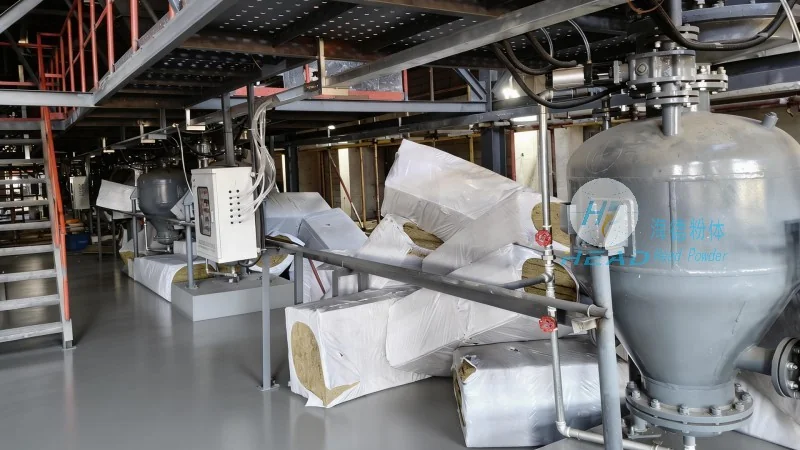
Key Considerations in Ternary Cathode Material Transportation
Before delving into specific transportation methods, it is important to understand the key factors that influence the choice of transport for ternary cathode materials. These materials are typically fine powders or granules with high chemical reactivity and potential for dust explosion risks. Therefore, transportation must prioritize containment, ventilation, and fire safety measures. Additionally, regulatory compliance, especially regarding hazardous material transport, is paramount. The choice of packaging, transport equipment, and handling procedures all depend on the material's properties, the distance of transport, and the destination's requirements.
Common Packaging Solutions for Ternary Cathode Materials
Effective transportation of ternary cathode materials begins with appropriate packaging. The primary goal of packaging is to prevent material loss, contamination, and exposure to moisture or air, which can degrade the material's performance. Common packaging options include:
1. Plastic or Polyethylene Bags: These are often used for smaller quantities or when the material is less sensitive to moisture. They are lightweight and flexible, making them suitable for short-distance transport or when combined with secondary containment.
2. Drum or Container Liners: For bulk quantities, drums or containers lined with high-density polyethylene (HDPE) or other inert materials are used. These containers are designed to prevent leaks and provide a secure seal. The liners may include a desiccant to maintain dryness and prevent moisture absorption.
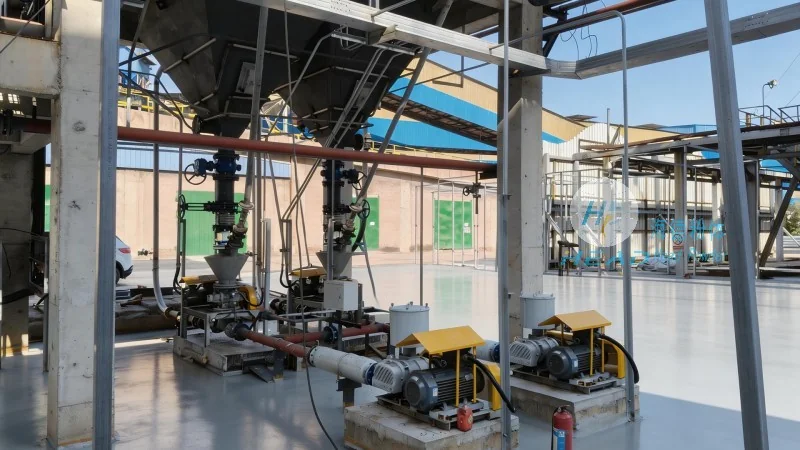
3. Specialized Transport Containers: Some companies use custom-designed containers that meet specific safety standards, such as those for hazardous materials. These containers may include features like explosion-proof designs, pressure relief valves, and integrated ventilation systems to manage dust and prevent accumulation.
Transportation Methods and Equipment
Once the material is properly packaged, the next step is selecting the appropriate transportation method. The choice depends on the distance, urgency, and volume of the shipment. Common transportation methods include:
1. Truck Transportation: For short to medium distances, road transport via trucks is the most common method. This allows for direct delivery to the customer's location. Specialized trucks equipped with enclosed trailers or containers are used to ensure the material remains contained and secure during transit. The trailers may be equipped with ventilation systems to control dust and maintain air quality.
2. Railway Transport: For longer distances, especially when shipping large quantities, railway transport is an efficient option. Railcars designed for bulk cargo, often with enclosed or covered wagons, are used. These wagons are equipped with safety features to prevent spillage and ensure the material is protected from external elements.
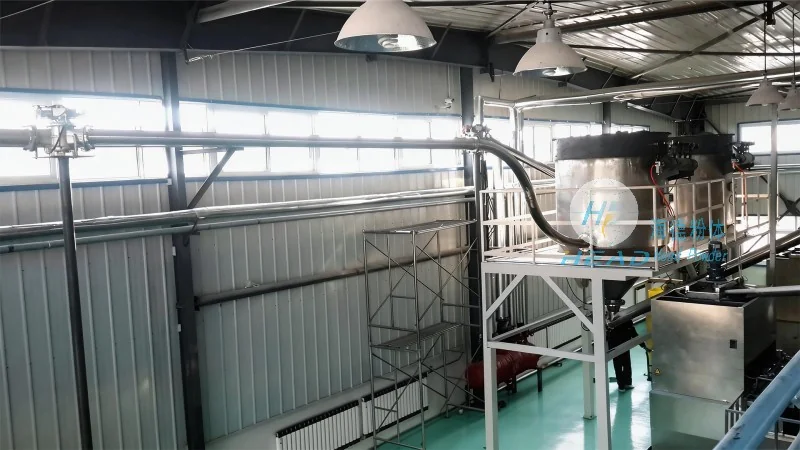
3. Maritime Transport: For international shipments or very large volumes, maritime transport via cargo ships is utilized. The materials are typically loaded into specialized containers or bulk carriers. These vessels are equipped with containment systems to prevent leaks and ensure the material is transported safely across oceans.
Handling and Safety Protocols
Regardless of the transportation method, strict handling and safety protocols must be followed to minimize risks. These protocols include:
1. Personal Protective Equipment (PPE): Personnel involved in loading, unloading, and transporting the materials must wear appropriate PPE, such as respirators, gloves, and protective clothing, to prevent inhalation of dust or skin contact.
2. Dust Control Measures: Dust generation during loading and unloading is a major concern. Methods such as using sealed containers, vacuum loading systems, or dust suppression systems are employed to keep dust levels low and prevent inhalation by workers and contamination of the environment.