

[CUSTOMER]Common Methods for Ash Handling and Transport
Efficient ash handling and transport are critical components of modern industrial operations, particularly in power generation and waste management sectors. The proper selection of ash transport methods ensures operational reliability, environmental compliance, and cost-effectiveness. This article explores the common methods used for ash handling and transport, highlighting key considerations and the role of specialized equipment in optimizing these processes.
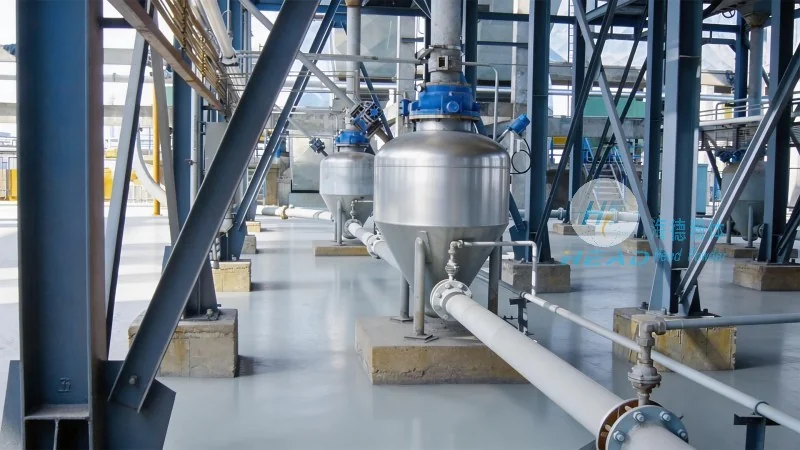
Understanding Ash Handling and Transport
Ash, typically produced from the combustion of fossil fuels like coal or biomass, requires systematic collection and transport to disposal or recycling facilities. The choice of transport method depends on factors such as ash characteristics (e.g., moisture content, particle size), plant capacity, and environmental regulations. Common methods include mechanical, pneumatic, and hydraulic systems, each with distinct advantages and applications.
Common Ash Handling and Transport Methods
1. **Mechanical Conveying Systems**: These systems utilize gravity or mechanical force to move ash through pipelines or conveyor belts. Mechanical ash handling systems are widely used in power plants due to their reliability and low maintenance requirements. They typically consist of screw conveyors, belt conveyors, or bucket elevators, which can handle various ash types and volumes. For example, screw conveyors are effective for transporting dry or semi-dry ash, while belt conveyors are suitable for larger ash particles or higher capacities. Mechanical systems are often preferred in applications where power consumption and operational simplicity are key factors.
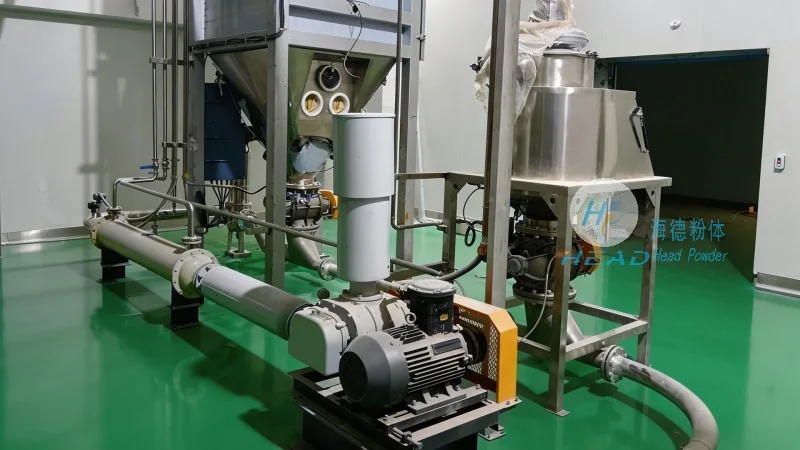
2. **Pneumatic Conveying Systems**: Pneumatic systems use compressed air or gas to transport ash particles through a pipeline. This method is particularly effective for handling fine or dusty ash, as it minimizes dust emissions and allows for long-distance transport. Pneumatic ash handling systems can be categorized into positive displacement and negative pressure (or dilute phase) systems. Positive displacement systems, such as rotary lobe blowers, are ideal for high-pressure, low-volume transport, while dilute phase systems use high-velocity air to move ash particles efficiently. Pneumatic conveying offers advantages like reduced labor costs and the ability to integrate with existing plant infrastructure, making it a popular choice for modern power plants.
3. **Hydraulic Conveying Systems**: Hydraulic systems employ water or other fluids to transport ash, often in a slurry form. This method is commonly used for wet ash or ash with high moisture content. The ash is mixed with water to create a slurry, which is then pumped through pipelines to disposal sites. Hydraulic conveying systems are effective for handling large volumes of ash and can be integrated with existing water treatment processes. However, they require careful management of water usage and ash disposal to ensure environmental compliance.
Key Considerations for Selecting an Ash Transport Method
When selecting an ash handling and transport method, several factors must be considered to ensure optimal performance and cost-effectiveness. First, the physical properties of the ash, including its moisture content, particle size distribution, and chemical composition, play a crucial role. For instance, dry ash may be better suited for mechanical or pneumatic systems, while wet ash may require hydraulic transport. Second, the plant's operational capacity and the distance to the disposal site influence the choice of system. Longer distances or higher capacities may necessitate more robust systems like pneumatic or hydraulic conveyors. Third, environmental regulations and local disposal requirements must be addressed. Modern systems often incorporate dust control measures and emission monitoring to comply with environmental standards. Additionally, the initial investment cost, maintenance requirements, and long-term operational costs are critical factors in the decision-making process.
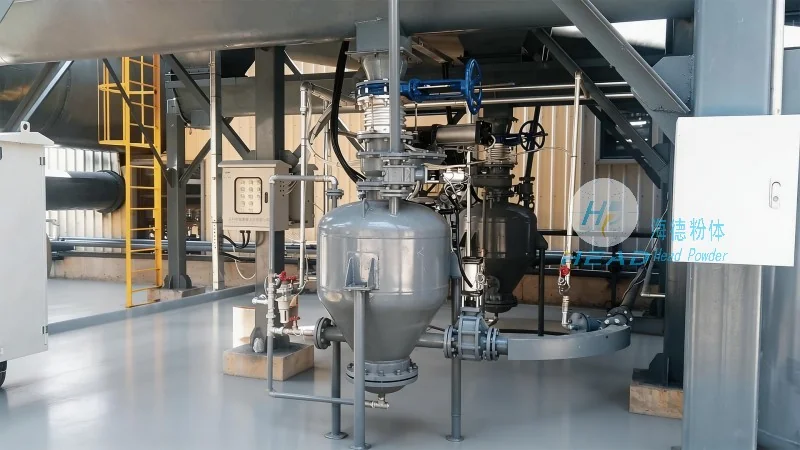
Role of Specialized Equipment in Ash Handling
Specialized equipment is essential for the efficient operation of ash handling and transport systems. For mechanical systems, components like screw conveyors, belt conveyors, and bucket elevators are designed to handle specific ash characteristics. Screw conveyors, for example, are available in various diameters and lengths to accommodate different ash volumes and particle sizes. Belt conveyors may include features such as variable speed drives and material feeders to optimize transport efficiency. Pneumatic systems rely on high-quality air compressors, pipeline networks, and dust collectors to ensure reliable operation. The selection of equipment must align with the specific requirements of the ash handling process, ensuring durability and minimal downtime.
Conclusion
In conclusion, the selection of ash handling and transport methods is a critical decision for industrial facilities, impacting operational efficiency, environmental compliance, and overall cost. Mechanical, pneumatic, and hydraulic systems each offer unique advantages and are chosen based on specific operational and environmental factors. By understanding the characteristics of the ash and the requirements of the plant, facility managers can select the most appropriate system to ensure reliable and cost-effective ash management. The continued development of specialized equipment and technology ensures that ash handling processes remain efficient and environmentally responsible, supporting the sustainable operation of power generation and waste management facilities.