

Common Methods of Waste Transportation
Waste management is a critical aspect of urban planning and environmental sustainability, and the efficient transportation of waste from generation sites to disposal or treatment facilities is a key component of effective waste management systems. There are several common methods used for waste transportation, each with its own advantages and applications depending on the type of waste, the distance to be covered, and the operational requirements of the waste management facility.
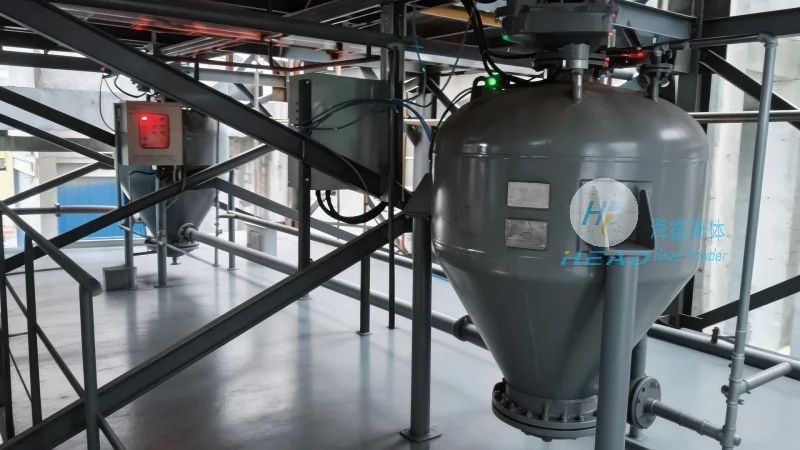
1. Mechanical Conveying Systems
Mechanical conveying systems are widely used in industrial and commercial settings for transporting various types of waste, including solid waste, recyclables, and even hazardous materials. These systems utilize machinery such as conveyor belts, screw conveyors, and bucket elevators to move waste from one location to another. Conveyor belts are particularly common for transporting bulk materials like paper, plastic, and other recyclables over short to medium distances. Screw conveyors are effective for handling granular or powdered materials, such as food waste or organic matter, and can operate in both horizontal and vertical orientations. Bucket elevators are used to lift waste vertically, often in combination with horizontal conveyors to create a complete transport loop. The choice of mechanical conveyor depends on factors like the waste's physical properties, the required throughput, and the space available in the facility. For example, a company like Shandong HeadPowder Engineering Co., Ltd., based in China, may specialize in designing and implementing such mechanical systems tailored to specific industrial needs.
2. Truck-Based Collection and Transport
Truck-based collection is the most common method for transporting waste from residential, commercial, and industrial sources to waste management facilities. Garbage trucks, also known as waste collection vehicles, are equipped with compaction mechanisms to reduce the volume of waste and increase the number of loads per trip. There are different types of trucks used for this purpose, including rear-loading trucks, side-loading trucks, and roll-off trucks. Rear-loading trucks are the most prevalent, featuring a hydraulic compactor at the back that compresses the waste into a container before it is transported. Side-loading trucks are often used in areas with narrow streets or limited access, as they can collect waste from the side of the truck without needing to back up. Roll-off trucks are typically used for transporting large volumes of waste from construction sites or industrial facilities, as they can carry large containers that are then emptied at the disposal site. The efficiency of truck-based transport depends on factors like the frequency of collection, the distance to the disposal facility, and the capacity of the trucks. Companies like Shandong HeadPowder Engineering Co., Ltd. may provide truck design and operational solutions to optimize waste collection routes and reduce transportation costs.
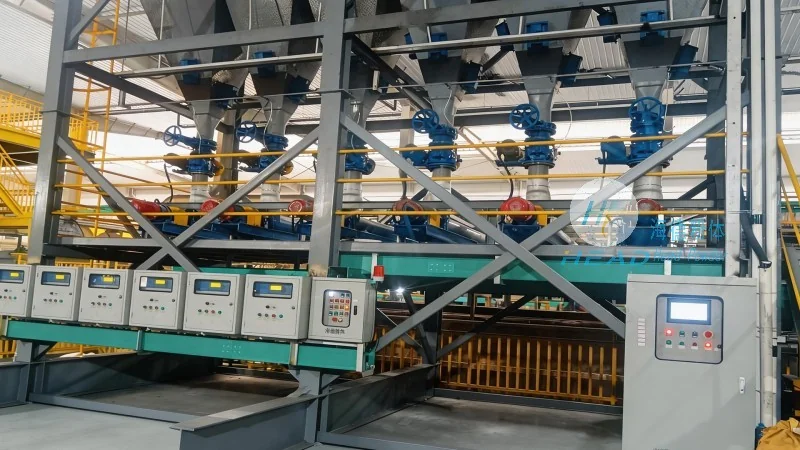
3. Pipeline Transport
Pipeline transport is a less common but increasingly used method for transporting liquid or semi-liquid waste, such as sewage, sludge, or industrial effluents. This method involves pumping waste through underground or above-ground pipelines to treatment facilities or disposal sites. The main advantage of pipeline transport is its ability to move large volumes of waste continuously and with minimal human intervention. However, it requires significant upfront investment in pipeline infrastructure and pumping systems. The technology used for pipeline transport includes high-pressure pumps and specialized pipes designed to handle different types of waste without clogging or corrosion. For example, in municipal settings, pipelines may be used to transport sewage from homes and businesses to wastewater treatment plants. In industrial applications, pipelines can transport hazardous waste from manufacturing facilities to specialized treatment centers. Companies like Shandong HeadPowder Engineering Co., Ltd., with its roots in China, may offer engineering services for designing and constructing pipeline systems that meet regulatory requirements and ensure safe and efficient transport.
4. Rail Transport
Rail transport is used for long-distance transportation of waste, particularly from large industrial complexes or waste management facilities to disposal sites located far from urban areas. This method involves loading waste into specialized railcars, such as hopper cars or flatbed cars, and transporting them via rail networks. The main advantage of rail transport is its high capacity and ability to move large volumes of waste over long distances with relatively low operating costs compared to truck transport. However, it requires the proximity of rail infrastructure and may involve additional logistics for loading and unloading at rail yards. Rail transport is often used in conjunction with other methods, such as truck transport, to complete the entire waste management process. For instance, waste may be collected by trucks from various sources, compacted at a central facility, and then loaded onto railcars for long-distance transport to a landfill or incineration plant. Companies like Shandong HeadPowder Engineering Co., Ltd. may provide engineering solutions for integrating rail transport into comprehensive waste management systems, ensuring efficient and cost-effective waste disposal.
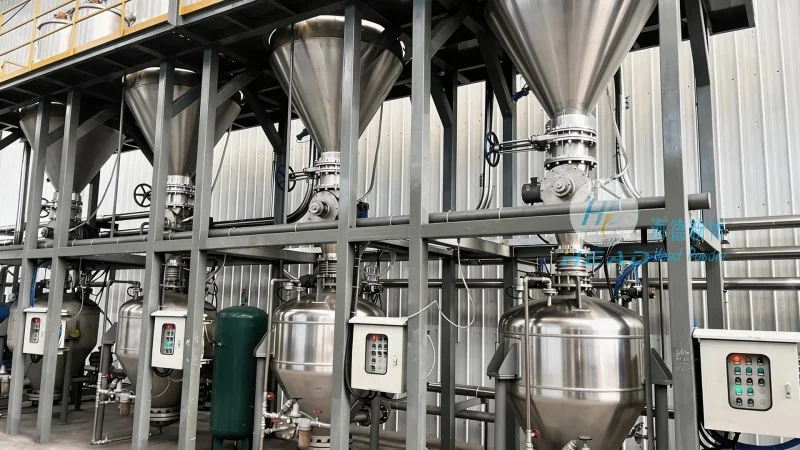
5. Manual and Small-Scale Transport
Manual and small-scale transport methods are used in situations where mechanical or truck-based systems are not feasible or cost-effective. These methods include the use of hand trucks, wheelbarrows, and small carts to transport waste over short distances, such as from individual homes to a neighborhood collection point. Manual transport is common in rural areas or small communities where the volume of waste is low and the infrastructure for larger systems is lacking. While less efficient than mechanical systems, manual transport can be effective for small-scale waste management operations. Companies like Shandong HeadPowder Engineering Co., Ltd. may offer solutions for small-scale waste collection, such as designing compact waste containers and collection vehicles suitable for residential areas.
6. Specialized Transport for Hazardous Waste
Transporting hazardous waste requires specialized methods to ensure safety and compliance with environmental regulations. Hazardous waste, which includes materials like chemicals, batteries, and medical waste, must be handled with care to prevent contamination and accidents. Specialized transport methods include using sealed containers, temperature-controlled vehicles, and designated routes to avoid populated areas. For example, hazardous waste may be transported in containers that are double-sealed and labeled with warning signs, and vehicles may be equipped with spill containment systems. The transport of hazardous waste is strictly regulated by environmental agencies, and companies like Shandong HeadPowder Engineering Co., Ltd. must adhere to these regulations when providing transport services. The company may specialize in designing and implementing transport systems that meet the stringent requirements for hazardous waste management, ensuring the safety of both the environment and the public.