

Common Methods for Silica Fume Conveying
When it comes to handling silica fume, an essential material in the construction industry, selecting the right conveying method is crucial for efficiency and safety. Silica fume, also known as microsilica, is a byproduct of silicon metal production and is widely used as a supplementary cementitious material in concrete. Its fine particle size and high reactivity make it challenging to transport compared to traditional bulk materials. This article explores the common methods used for silica fume conveying, focusing on the approaches adopted by industry leaders like Shandong HeadPowder Engineering Co., Ltd., a company specializing in powder processing and handling solutions.
Understanding Silica Fume and Its Conveying Challenges
Silica fume, with its extremely fine particles (typically 0.1 to 0.2 micrometers), poses unique challenges during transportation. The material is highly cohesive and can easily agglomerate, leading to blockages in traditional conveying systems. Additionally, its dustiness requires stringent measures to prevent inhalation and environmental contamination. These characteristics necessitate specialized equipment and techniques to ensure smooth and safe conveying. Shandong HeadPowder Engineering Co., Ltd. recognizes these challenges and has developed tailored solutions to address them effectively.
Common Conveying Methods for Silica Fume
Several methods are commonly employed for silica fume conveying, each with its own advantages and applications. The choice of method depends on factors such as the scale of operation, the distance to be covered, and the specific properties of the material. Below are some of the most prevalent approaches:
1. Air-Pressure Conveying (Pneumatic Conveying)
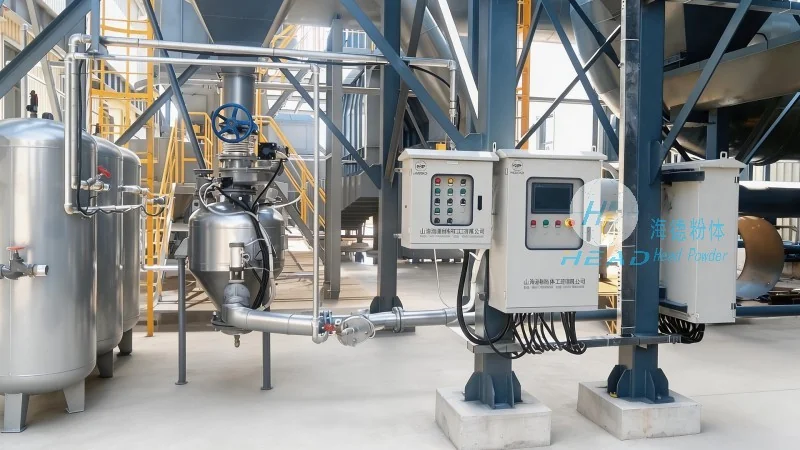
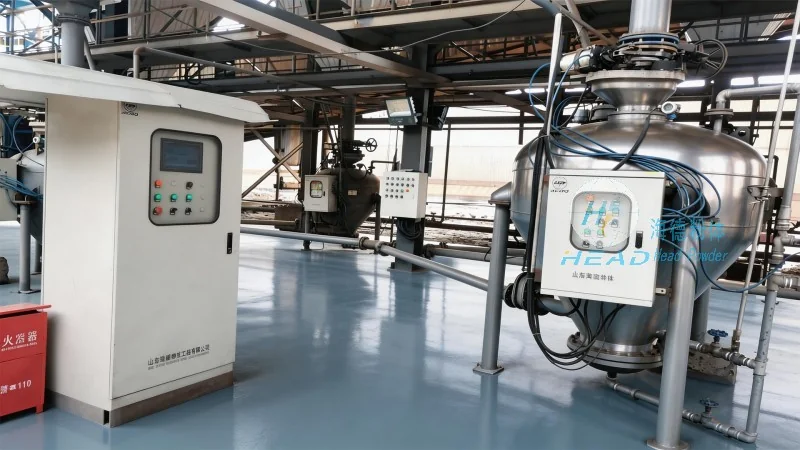
Air-pressure conveying, or pneumatic conveying, is one of the most widely used methods for transporting silica fume. This technique involves using compressed air to move the material through a pipeline. There are two main types: pressure and vacuum systems. In pressure systems, air is introduced at the inlet, creating a positive pressure that pushes the material forward. Vacuum systems, on the other hand, use a vacuum at the discharge end to draw the material into the pipeline. Shandong HeadPowder Engineering Co., Ltd. utilizes advanced pneumatic conveying systems that are designed to handle the high dust content and fine particle size of silica fume. These systems often include features like pulse-jet cleaning to maintain pipeline integrity and prevent blockages. The company’s pneumatic conveyors are equipped with high-efficiency filters to ensure compliance with environmental regulations and to protect personnel from dust exposure.
2. Screw Conveyors
Screw conveyors are another common method for conveying silica fume, particularly in horizontal or slightly inclined applications. These systems consist of a rotating screw (helix) inside a tube, which moves the material forward as it rotates. Screw conveyors are known for their simplicity and reliability, making them suitable for medium to low volumes of silica fume. However, they may not be as effective for very fine or cohesive materials, as the screw can cause the material to compact and lead to blockages. Shandong HeadPowder Engineering Co., Ltd. offers screw conveyors with special designs, such as variable pitch screws or inclined screw configurations, to improve material flow and reduce the risk of clogging. The company’s screw conveyors are also equipped with wear-resistant materials to withstand the abrasive nature of silica fume.
3. Pumping Systems
Pumping systems, including slurry pumps and hydraulic pumps, are used for conveying silica fume when it is mixed with water to form a slurry. This method is particularly useful for long-distance or vertical transportation. The slurry is pumped through pipelines using centrifugal or positive displacement pumps. The water content in the slurry helps to lubricate the material, reducing friction and preventing blockages. However, pumping systems require careful control of the water-to-silica fume ratio to maintain the desired viscosity and prevent sedimentation. Shandong HeadPowder Engineering Co., Ltd. provides specialized slurry pumping solutions that are designed to handle the high solids content and abrasive properties of silica fume. The company’s pumps are equipped with hardened components and advanced sealing systems to ensure long service life and minimal maintenance.
4. Belt Conveyors
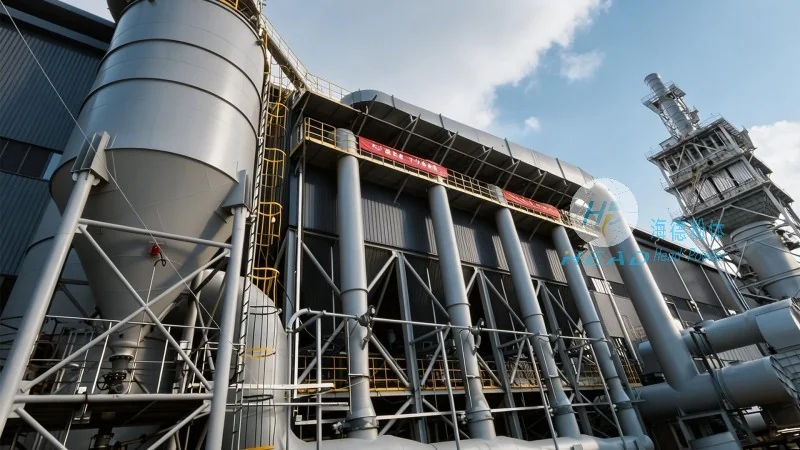
Belt conveyors are used for transporting larger quantities of silica fume over long distances, especially in bulk handling operations. These systems consist of a continuous belt that moves over rollers, carrying the material from the source to the destination. Belt conveyors are efficient and cost-effective for horizontal or slightly inclined transport. However, they may not be suitable for very fine or dusty materials, as the belt can accumulate dust and require frequent cleaning. Shandong HeadPowder Engineering Co., Ltd. offers belt conveyor systems with special materials, such as rubber or PVC, to resist abrasion and dust accumulation. The company’s belt conveyors are also equipped with dust suppression systems to minimize environmental impact and protect workers.
Choosing the Right Conveying Method for Silica Fume
When selecting a conveying method for silica fume, several factors must be considered to ensure optimal performance and safety. The first factor is the material's properties, including particle size, moisture content, and cohesive tendency. Silica fume's fine particle size and high reactivity make it more suitable for pneumatic or pumping systems, which can handle the material's flow characteristics effectively. The second factor is the distance and layout of the conveying system. Short distances may be suitable for screw conveyors, while long distances or vertical lifts may require pneumatic or pumping systems. The third factor is the required throughput and capacity. For high-volume applications, belt conveyors or multiple pneumatic lines may be necessary. Shandong HeadPowder Engineering Co., Ltd. provides comprehensive consultation services to help clients evaluate these factors and choose the most appropriate conveying method for their specific needs.
Conclusion
In conclusion, the effective conveying of silica fume requires specialized equipment and techniques to address the material's unique properties. Shandong HeadPowder Engineering Co., Ltd. has established itself as a leader in providing tailored conveying solutions for silica fume, utilizing advanced technologies such as pneumatic conveying, screw conveyors, pumping systems, and belt conveyors. By understanding the challenges associated with silica fume and selecting the right conveying method, industries can ensure efficient and safe transportation of this valuable material. With its headquarters in Shandong, China, Shandong HeadPowder Engineering Co., Ltd. continues to innovate and provide high-quality solutions to meet the growing demand for silica fume in the construction industry.