

Common Methods for Copper Oxide Transportation
When it comes to the transportation of copper oxide, selecting the right method is crucial for ensuring efficiency, safety, and cost-effectiveness in industrial operations. Copper oxide, a key material in various industries including mining, manufacturing, and chemical processing, requires specialized handling due to its properties such as moisture sensitivity and potential dust generation. The choice of transportation method depends on factors like the volume of material, distance, environmental considerations, and the specific requirements of the end-use application. In this article, we will explore the common methods used for copper oxide transportation, highlighting the advantages and practical applications of each approach.
Overview of Copper Oxide Transportation
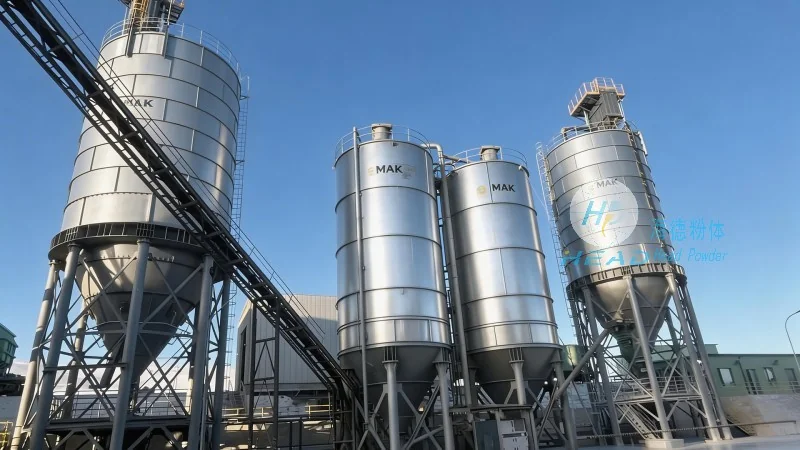
Copper oxide is often transported from mining sites or production facilities to processing plants, storage facilities, or distribution centers. The methods employed can vary significantly based on the scale of operation and the infrastructure available. Common transportation methods include bulk material handling systems, pneumatic conveying, and mechanical conveying systems. Each method has its own set of advantages and limitations, making it essential to evaluate the specific needs of the copper oxide handling process before selecting a suitable option.
Pneumatic Conveying Systems
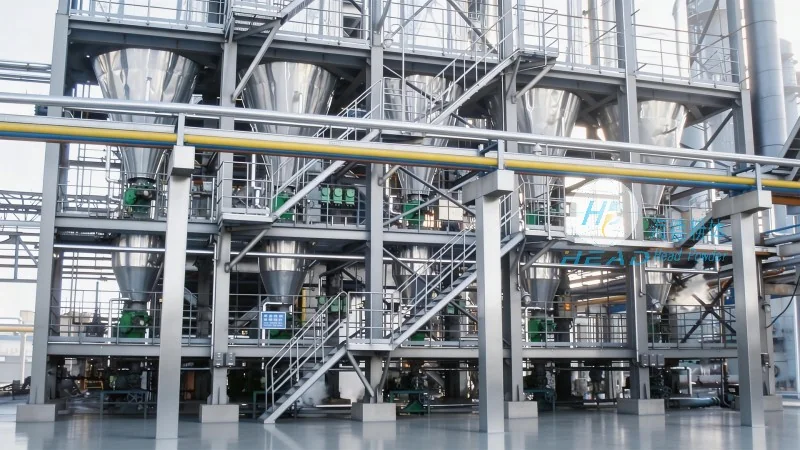
Pneumatic conveying is a widely used method for transporting copper oxide, especially in applications where dust control and enclosed systems are necessary. This method involves the use of air or other gases to move the material through a pipeline. There are two main types of pneumatic conveying: pressure and vacuum systems. Pressure systems use compressed air to push the material forward, while vacuum systems use a vacuum to pull the material into the pipeline. Pneumatic conveying is particularly effective for handling fine powders like copper oxide, as it minimizes dust exposure and allows for long-distance transportation without the need for multiple transfer points. The system typically consists of a hopper, a conveyor line, and a receiver, with the material being fed into the system and transported to the destination. The advantages of pneumatic conveying include its ability to handle high volumes, its flexibility in routing, and its relatively low maintenance requirements. However, it may require higher energy consumption compared to other methods, and the system must be properly sealed to prevent air leakage and material loss.
Mechanical Conveying Systems
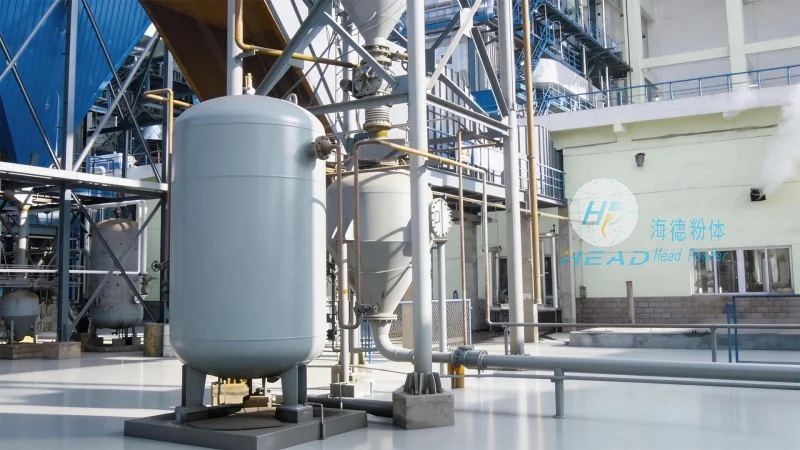
Mechanical conveying systems are another common approach for copper oxide transportation, utilizing mechanical components such as belts, screws, and buckets to move the material. The most widely used mechanical system is the belt conveyor, which is ideal for transporting bulk materials over short to medium distances. Belt conveyors consist of a continuous belt that moves over rollers or pulleys, with the copper oxide loaded onto the belt at one end and discharged at the other. This method is particularly effective for handling larger particles or agglomerates of copper oxide, as the belt can support the weight of the material without causing it to break apart. The advantages of belt conveyors include their high capacity, low energy consumption, and ease of installation. However, they may not be suitable for long-distance transportation or for materials that are highly abrasive, as the belt and rollers can wear out quickly. Another mechanical system is the screw conveyor, which uses a rotating screw to push the material forward. Screw conveyors are commonly used for vertical or inclined transportation, and they are particularly effective for handling fine powders that may clog other systems. The screw conveyor consists of a rotating screw inside a trough, with the material being fed into the top and discharged at the bottom. The advantages of screw conveyors include their ability to handle a wide range of materials, their compact design, and their low maintenance requirements. However, they may not be suitable for high-volume applications or for materials that are highly abrasive, as the screw and trough can wear out quickly.