

Design of a Pneumatic Conveying System for Ferrous Sulfate
For industrial applications requiring efficient and reliable transport of ferrous sulfate, a well-designed pneumatic conveying system is essential. This document outlines the key considerations and components involved in the design of such a system, tailored for the specific needs of material handling in chemical processing environments.
Overview of Ferrous Sulfate and Its Handling Requirements
Ferrous sulfate, also known as iron(II) sulfate, is a widely used chemical in industries such as water treatment, agriculture, and manufacturing. Its handling presents unique challenges due to the material's density, moisture content, and potential for dust generation. A pneumatic conveying system offers a solution that minimizes material degradation, reduces labor costs, and enhances safety compared to traditional methods like belt conveyors or manual handling.
Key Design Considerations for Pneumatic Conveying
The success of a ferrous sulfate pneumatic conveying system depends on several critical design factors. First, the system must be capable of handling the material's bulk density and flow characteristics. Ferrous sulfate typically has a bulk density ranging from 800 to 1200 kg/m³, which influences the air velocity and pressure required for effective transport. Second, the system must address the material's hygroscopic nature, as moisture can affect the material's flowability and cause caking. Proper drying and moisture control are therefore integral to the design. Third, the system must incorporate dust control measures to comply with environmental regulations and ensure worker safety. This includes features like dust collectors, filtration systems, and sealed transfer points.
Components of a Ferrous Sulfate Pneumatic Conveying System
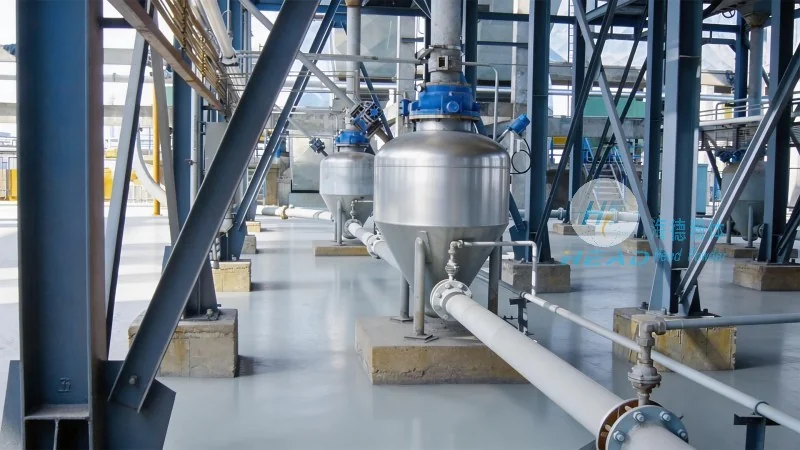
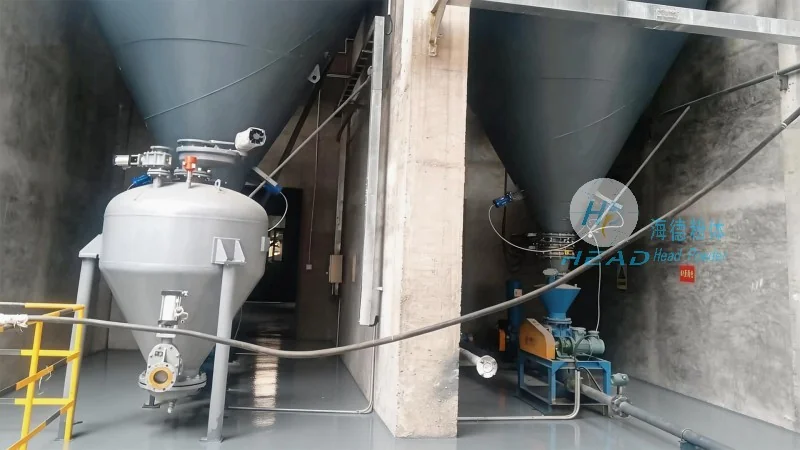
A typical pneumatic conveying system for ferrous sulfate consists of several key components. The system begins with a hopper or storage silo where the material is stored. From there, a feeder, such as a rotary valve or a screw feeder, regulates the material flow into the conveying line. The conveying line itself is made of materials resistant to corrosion, such as stainless steel or polyethylene, to withstand the acidic properties of ferrous sulfate. The system includes a blower or a positive displacement pump to generate the necessary air pressure. The air and material mixture travels through the line to a receiver or destination silo, where the material is deposited. Finally, a dust collection system, including cyclones and bag filters, captures any airborne particles and returns clean air to the system.
HeadPowder Engineering's Expertise in Pneumatic Conveying
Shandong HeadPowder Engineering Co., Ltd., a leading provider of material handling solutions, specializes in designing and manufacturing pneumatic conveying systems tailored to the unique requirements of ferrous sulfate and other bulk materials. With years of experience in the industry, HeadPowder has developed a deep understanding of the challenges associated with handling ferrous sulfate, including its density, moisture content, and dust generation. The company's engineers utilize advanced design software and rigorous testing protocols to ensure that each system meets the highest standards of efficiency, reliability, and safety. HeadPowder's commitment to quality and customer satisfaction has made it a trusted partner for businesses seeking to optimize their material handling processes.
Benefits of Implementing a Ferrous Sulfate Pneumatic Conveying System
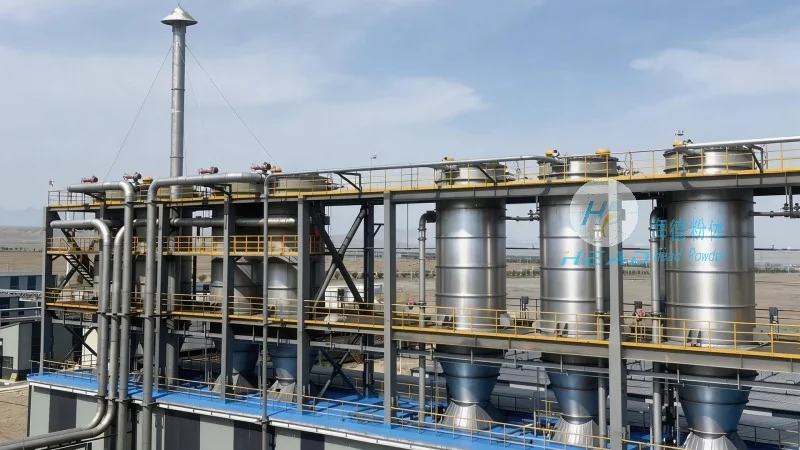
Adopting a pneumatic conveying system for ferrous sulfate offers numerous benefits for industrial operations. First, the system significantly reduces labor costs by automating the material transport process, eliminating the need for manual handling and reducing the risk of workplace injuries. Second, the system minimizes material degradation by preventing contact with the environment and reducing the risk of caking or agglomeration. Third, the system enhances safety by containing dust and reducing the need for workers to handle the material directly. Fourth, the system improves process efficiency by ensuring consistent material flow and reducing downtime due to material blockages. Finally, the system can be integrated with existing production lines, making it a cost-effective solution for upgrading material handling capabilities.
Conclusion and Contact Information
For businesses in need of an efficient and reliable pneumatic conveying system for ferrous sulfate, Shandong HeadPowder Engineering Co., Ltd. offers comprehensive solutions designed to meet the specific needs of each application. With a focus on quality, innovation, and customer satisfaction, HeadPowder is committed to providing systems that enhance operational efficiency and safety. Located in Shandong, China, HeadPowder serves clients worldwide with expert engineering and manufacturing capabilities. Contact HeadPowder today to learn more about how a custom-designed pneumatic conveying system can optimize your ferrous sulfate handling processes.