

Design of a White Ash Negative Pressure Pneumatic Conveying Device
HeadPowder, a leading engineering firm based in Shandong, China, specializes in the design and implementation of advanced pneumatic conveying systems. This article focuses on the design of a white ash negative pressure pneumatic conveying device, highlighting key technical aspects, operational principles, and the engineering solutions provided by Shandong HeadPowder Engineering Co., Ltd.
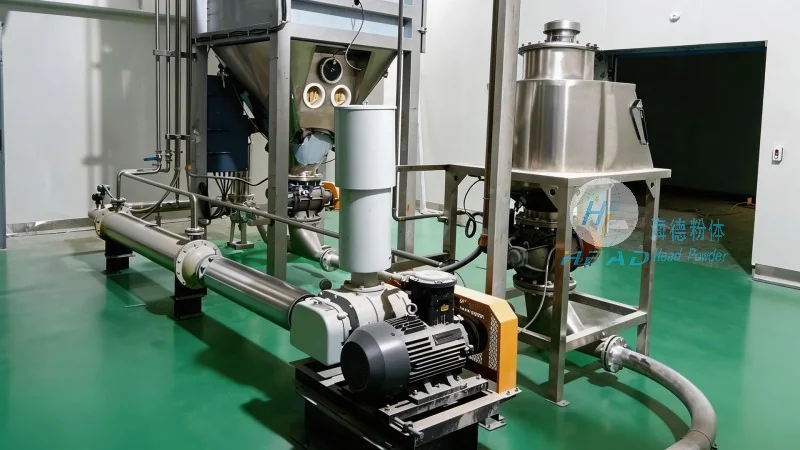
Company Overview
Shandong HeadPowder Engineering Co., Ltd., operating under the brand name HeadPowder, is a professional manufacturer and supplier of pneumatic conveying equipment. With a strong commitment to innovation and quality, the company serves various industries requiring efficient material handling solutions. HeadPowder's expertise lies in developing customized systems tailored to the specific needs of clients, ensuring optimal performance and reliability in material transport processes.
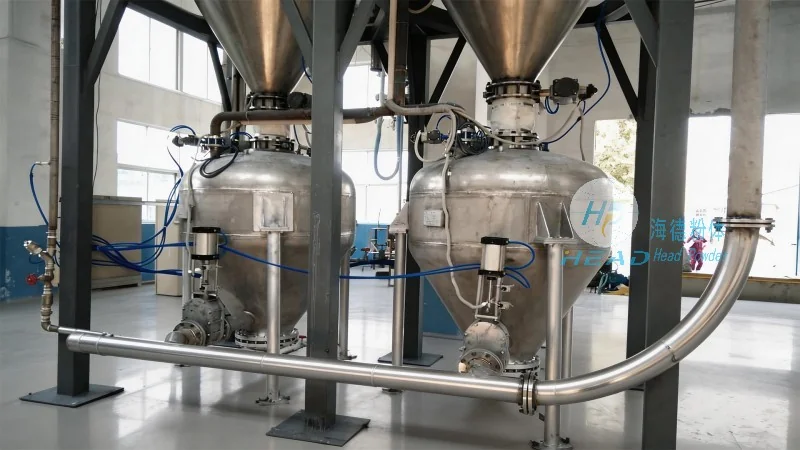
Understanding Negative Pressure Pneumatic Conveying
Negative pressure pneumatic conveying, also known as suction conveying, is a method of transporting bulk materials through a pipeline using a vacuum or negative pressure created by a fan or blower. This technique is particularly effective for handling fine or dusty materials like white ash, as it minimizes dust dispersion and ensures a clean, controlled transfer process. The design of a negative pressure system involves precise calculations of air flow rates, pipeline dimensions, and pressure differentials to achieve efficient material movement while maintaining system integrity.
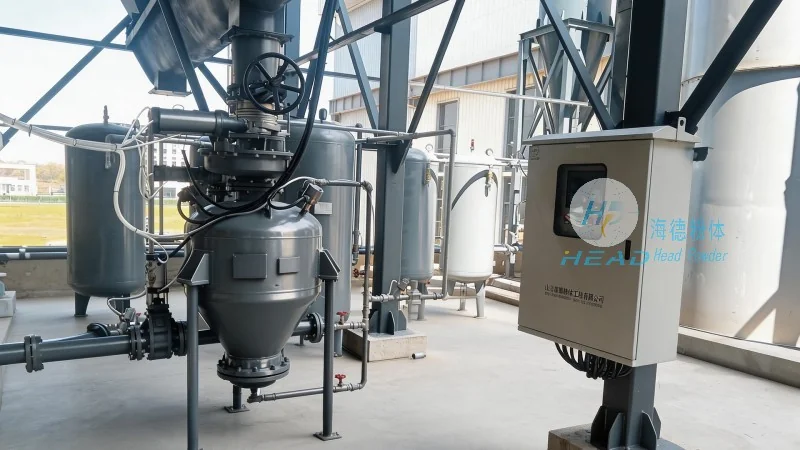
Key Design Considerations for the White Ash Conveying System
The design of the white ash negative pressure pneumatic conveying device incorporates several critical factors to ensure reliable operation and material handling efficiency. These include:
- Pipeline Sizing and Layout: Proper sizing of the conveying pipeline is essential to maintain adequate air velocity and prevent material settling or blockages. The system utilizes a combination of straight and curved sections, with appropriate bends and elbows to minimize pressure losses and ensure smooth material flow.
- Material Feed and Conditioning: The feeding mechanism is designed to handle white ash efficiently, incorporating features such as a hopper with a rotary valve or a screw feeder to control the material flow rate. Conditioning equipment, such as a pre-drying or pre-screening unit, may be integrated to improve material properties and prevent clogging in the conveying line.
- Filter and Dust Collection: To comply with environmental regulations and maintain air quality, the system includes a high-efficiency filter and dust collection unit. This component captures fine ash particles from the exhaust air, ensuring that the discharge is clean and that the system operates within permissible emission limits.
- Control and Monitoring Systems: Advanced control systems are integrated into the design to monitor key parameters such as pressure, air flow, and material level. These systems allow for real-time adjustments and provide data for performance optimization, enhancing the overall reliability and efficiency of the conveying process.
Operational Advantages of the Negative Pressure System
The negative pressure pneumatic conveying system for white ash offers several advantages over traditional positive pressure or mechanical conveying methods. These benefits include:
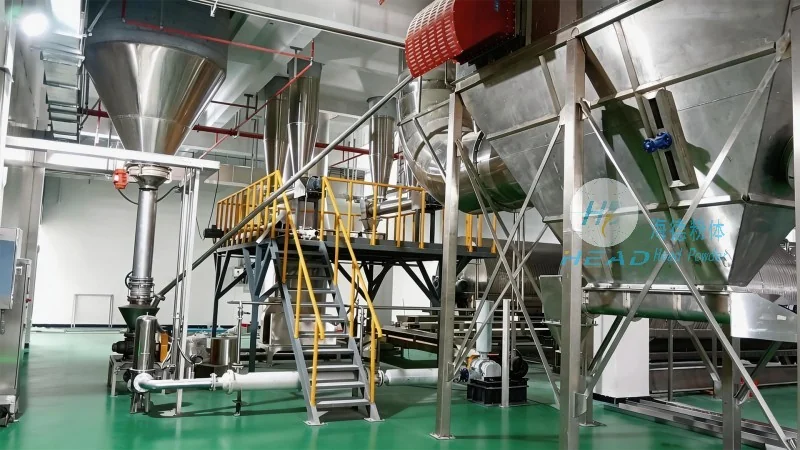
- Reduced Dust and Environmental Impact: By operating under negative pressure, the system draws material into the pipeline, minimizing dust emissions and reducing the risk of environmental contamination. This is particularly important for white ash, which can be a source of airborne particulates.
- Energy Efficiency: Negative pressure systems often require less energy compared to positive pressure systems, as they operate at lower air pressures and velocities. This results in lower operational costs and reduced energy consumption over the system's lifespan.
- Flexibility in Layout: The design allows for flexible pipeline configurations, enabling the system to transport materials over longer distances or around obstacles. The modular nature of the components facilitates easy installation and maintenance, reducing downtime and increasing system availability.
- Material Preservation: The low-velocity operation of the negative pressure system helps preserve the quality of the white ash by minimizing particle breakage and degradation. This is crucial for applications where the material's properties, such as fineness or moisture content, need to be maintained.
Conclusion
Shandong HeadPowder Engineering Co., Ltd. has successfully designed and implemented a white ash negative pressure pneumatic conveying device that addresses the specific challenges of handling fine, dusty materials. The system's design incorporates advanced engineering principles, ensuring efficient material transport, environmental compliance, and operational reliability. With a strong focus on customization and client-specific requirements, HeadPowder continues to provide innovative solutions for material handling needs across various industries.