

Comparison of Advantages and Disadvantages of Negative Pressure and Positive Pressure Conveying in F
When it comes to the pneumatic conveying of fine sand, selecting the appropriate conveying method is crucial for ensuring efficient and reliable material transport. Two primary approaches are widely used: negative pressure conveying and positive pressure conveying. Each method has its own set of advantages and disadvantages, which can significantly impact the overall performance and operational costs of the system. This article provides a detailed comparison of these two methods, focusing on their respective benefits and drawbacks in the context of fine sand handling.
Understanding Negative Pressure Conveying
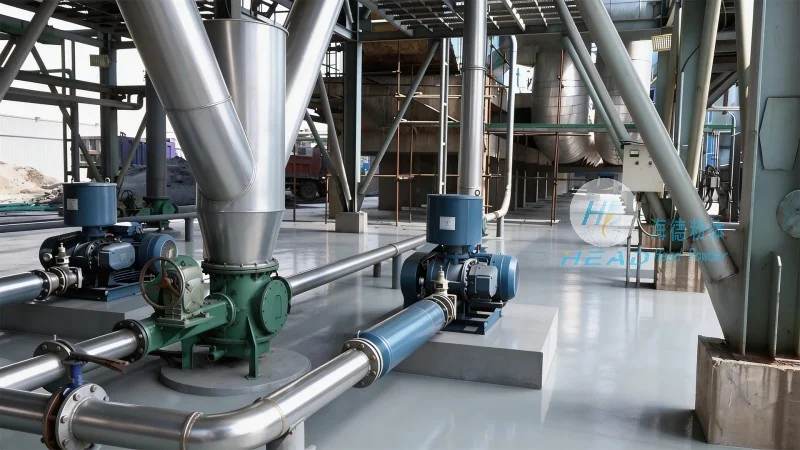
Negative pressure conveying, also known as suction conveying, operates by creating a low-pressure zone at the material inlet. This low pressure draws the fine sand particles into the conveying line using a vacuum pump. The primary advantage of this method is its ability to handle fine and dusty materials without causing excessive particle breakage or degradation. This is particularly important for fine sand, as it helps maintain the original particle size and quality. Additionally, negative pressure systems are generally more energy-efficient compared to positive pressure systems, as they require less power to maintain the vacuum state. However, there are several drawbacks to consider. One major limitation is the limited conveying distance and capacity. The suction effect diminishes over longer distances, making it unsuitable for applications requiring long-distance transport. Another challenge is the potential for air leakage and contamination, as the system operates under negative pressure, which can draw in external air and dust. Furthermore, the initial setup and maintenance of negative pressure systems can be more complex, involving specialized vacuum pumps and filtration systems.
Exploring Positive Pressure Conveying
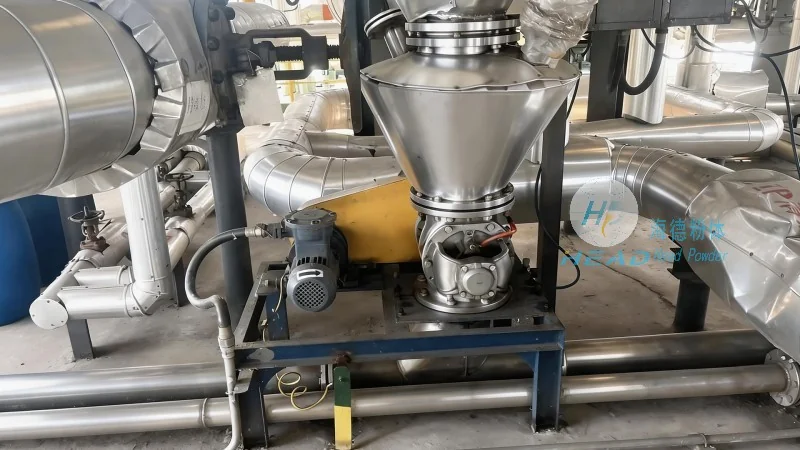
Positive pressure conveying, or pressure conveying, works by forcing air or a carrier gas through the conveying line at a higher pressure than the ambient environment. This method is particularly effective for long-distance and high-capacity material transport. The primary advantage of positive pressure systems is their ability to handle longer conveying distances and larger volumes of material. They are also more suitable for abrasive materials, as the high-pressure air can better resist wear and tear on the system components. Another benefit is the reduced risk of external contamination, as the system operates under positive pressure, preventing external air from entering the line. However, positive pressure conveying has its own set of disadvantages. The most significant drawback is the higher energy consumption compared to negative pressure systems. The need to maintain high pressure requires more powerful blowers and compressors, leading to increased operational costs. Additionally, positive pressure systems can cause more particle degradation due to the higher velocity of the air flow, which may affect the quality of fine sand. Another challenge is the potential for system backpressure and the need for more robust sealing and maintenance to prevent air leaks and material spillage.
Key Considerations for Fine Sand Pneumatic Conveying
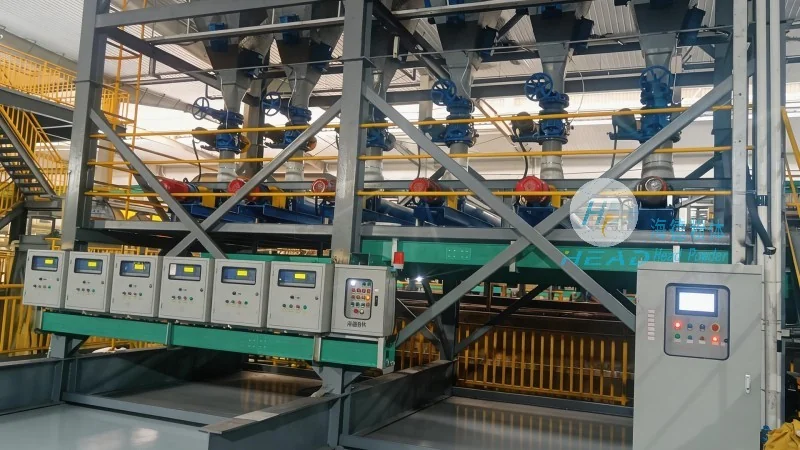
When choosing between negative pressure and positive pressure conveying for fine sand applications, several factors must be carefully evaluated. The first consideration is the conveying distance and required capacity. For short distances and low volumes, negative pressure conveying may be more cost-effective and efficient. Conversely, for long-distance and high-capacity transport, positive pressure conveying is often the better choice. The nature of the fine sand itself is another critical factor. If the sand is highly abrasive or prone to degradation, positive pressure systems with higher air velocities may be necessary, despite the increased energy costs. Environmental and safety considerations also play a role. Negative pressure systems can help minimize dust emissions at the source, as the material is drawn into the system, reducing the risk of dust dispersion. However, positive pressure systems may require additional filtration and containment measures to prevent dust from escaping. The initial investment and long-term maintenance costs are also important. Negative pressure systems may have lower upfront costs but higher maintenance due to the vacuum pumps, while positive pressure systems have higher initial costs but potentially lower maintenance over time.
Conclusion: Selecting the Right Conveying Method
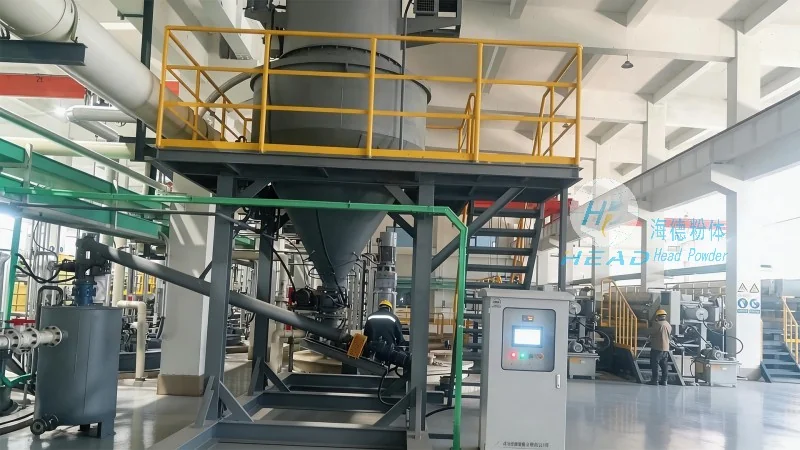
In conclusion, both negative pressure and positive pressure conveying methods have their place in fine sand pneumatic conveying, and the choice between them depends on the specific requirements of the application. Negative pressure conveying excels in short-distance, low-volume, and low-energy applications, while positive pressure conveying is better suited for long-distance, high-capacity, and high-velocity scenarios. By carefully evaluating factors such as conveying distance, material properties, energy costs, and environmental impact, operators can select the most appropriate method to ensure efficient, reliable, and cost-effective fine sand transport. Companies like Shandong HeadPowder Engineering Co., Ltd., with expertise in pneumatic conveying systems, can provide tailored solutions that address the unique challenges of fine sand handling, helping to optimize operational performance and reduce costs.