

Introduction to Wheat Handling Systems and the Advantages of Pneumatic Wheat Conveying
Wheat handling systems are essential for efficient agricultural operations, and understanding the technology behind them is crucial for optimizing grain processing. This article provides an overview of wheat handling systems, with a focus on the benefits of pneumatic conveying, a key method used in modern grain handling facilities.
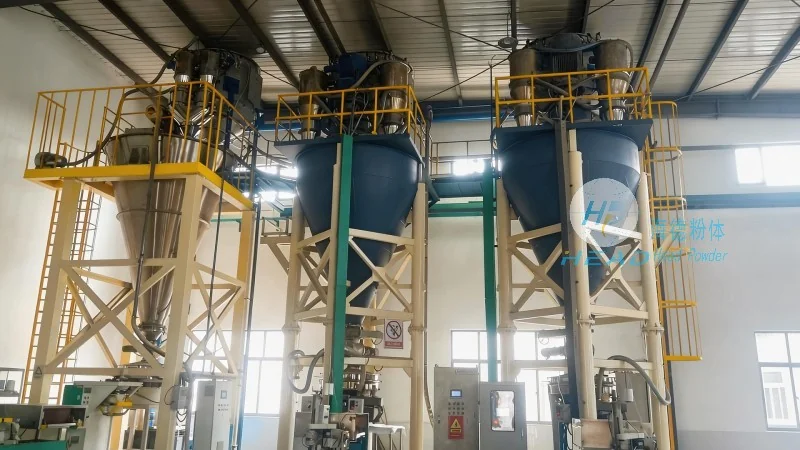
Understanding Wheat Handling Systems
Wheat handling systems are designed to manage the entire process of wheat from harvest to storage or further processing. These systems typically include components such as reception, cleaning, grading, and conveying. The goal is to ensure that the wheat is handled in a way that maintains its quality while improving operational efficiency. Companies like Shandong HeadPowder Engineering Co., Ltd. specialize in designing and manufacturing these systems to meet the specific needs of agricultural and food processing industries.
Pneumatic Conveying: A Key Technology in Wheat Handling
Pneumatic conveying, also known as air conveying, is a method of transporting bulk materials like wheat using a stream of air. This technology offers several advantages over traditional mechanical conveying methods. It is particularly effective for handling wheat because it minimizes product damage, reduces labor costs, and allows for flexible system layouts. The process involves creating a pressure or vacuum in a pipeline to move the wheat through the system, which can be tailored to various production scales.
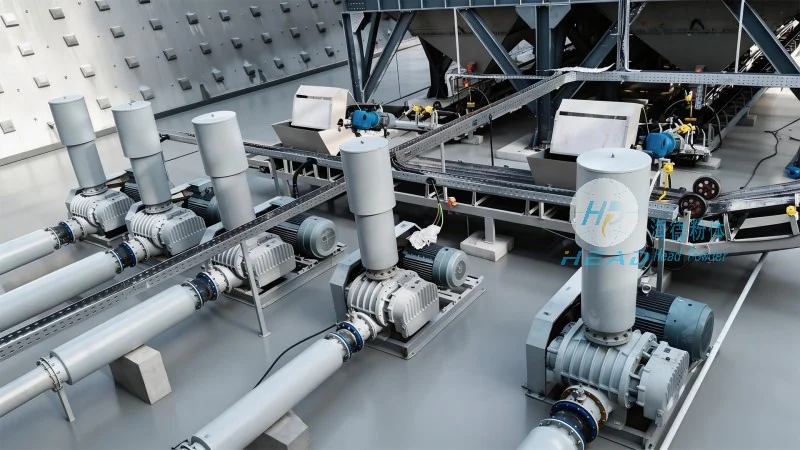
Advantages of Pneumatic Wheat Conveying
One of the primary advantages of pneumatic conveying for wheat is its ability to handle delicate grains without causing breakage or contamination. This is critical for maintaining the quality of the wheat, which is essential for both human consumption and animal feed. Additionally, pneumatic systems are more hygienic and easier to clean, which is important for compliance with food safety regulations. Another benefit is the reduced need for manual handling, as the system can transport wheat from one location to another automatically, improving safety and efficiency in the workplace.
Customization and Scalability
Wheat handling systems, especially those utilizing pneumatic conveying, are highly customizable to fit the specific requirements of a facility. Whether a small-scale farm or a large industrial processing plant, the system can be designed to handle varying volumes of wheat. Shandong HeadPowder Engineering Co., Ltd. offers tailored solutions that consider factors such as the type of wheat, the desired output, and the available space. This customization ensures that the system operates at peak efficiency and meets the operational goals of the client.
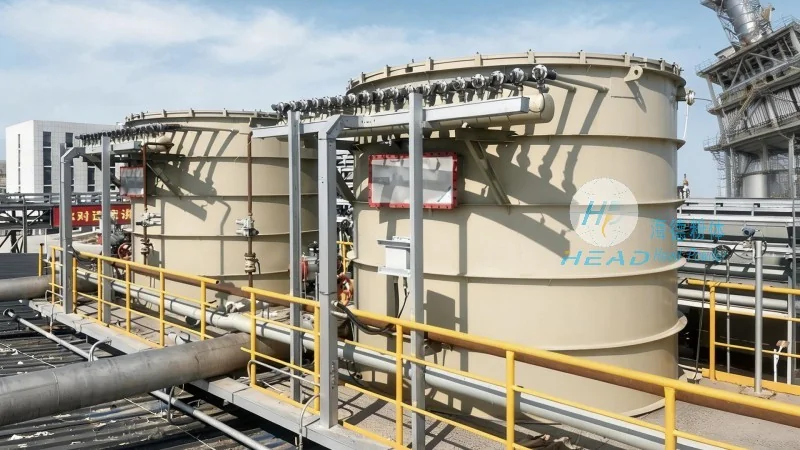
Efficiency and Cost-Effectiveness
Implementing a pneumatic wheat handling system can lead to significant improvements in operational efficiency and cost savings. By automating the conveying process, companies can reduce labor costs and minimize downtime. The systems are also energy-efficient, as they use less power compared to traditional methods that rely on mechanical components. Over time, the investment in a pneumatic conveying system can lead to substantial savings in operational costs, making it a financially sound choice for businesses in the agricultural sector.
Conclusion
Wheat handling systems, particularly those utilizing pneumatic conveying, play a vital role in modern agricultural operations. The advantages of these systems, including product quality preservation, operational efficiency, and cost-effectiveness, make them an essential component of grain processing facilities. Companies like Shandong HeadPowder Engineering Co., Ltd. provide comprehensive solutions that cater to the diverse needs of the industry, ensuring that wheat is handled safely and efficiently from the field to the market. By investing in advanced wheat handling systems, businesses can enhance their productivity and maintain the high standards required in today's competitive agricultural market.