

Introduction to Silica Sand Conveying Systems and the Advantages of Pneumatic Conveying for Silica S
HeadPowder, a leading provider of material handling solutions, specializes in the design, manufacturing, and installation of advanced conveying systems tailored for the transportation of silica sand. With a focus on efficiency, reliability, and innovation, the company's products are engineered to meet the demanding requirements of various industrial applications.
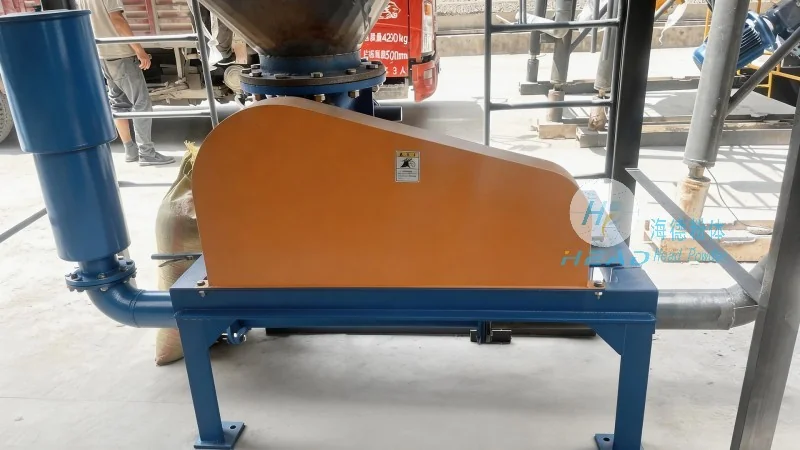
Understanding Silica Sand Conveying Systems
Silica sand, a crucial raw material in numerous industries including glass manufacturing, foundries, and construction, requires specialized handling to ensure optimal performance and safety. Conveying systems for silica sand must address challenges such as dust control, material flow consistency, and equipment durability. Traditional methods like belt conveyors or bucket elevators may struggle with the abrasive nature of silica sand and the need for precise control over particle size and moisture content. This is where modern pneumatic conveying systems offer significant advantages.
The Advantages of Pneumatic Conveying for Silica Sand
Pneumatic conveying, also known as air conveying, utilizes compressed air to transport dry bulk materials like silica sand through a pipeline system. This method provides several key benefits that enhance operational efficiency and product quality. First, it offers a dust-free environment, which is critical for maintaining workplace safety and compliance with environmental regulations. Unlike mechanical systems that generate significant dust, pneumatic conveyors minimize airborne particles, reducing the risk of respiratory issues and contamination.
Second, pneumatic conveying allows for gentle handling of silica sand, preventing damage to the material's structure and ensuring consistent particle size distribution. This is particularly important in applications where the sand's quality directly impacts downstream processes, such as in glass production where uniform particle size is essential for glass clarity and strength. The system's ability to handle fine and coarse particles simultaneously without segregation makes it highly versatile.
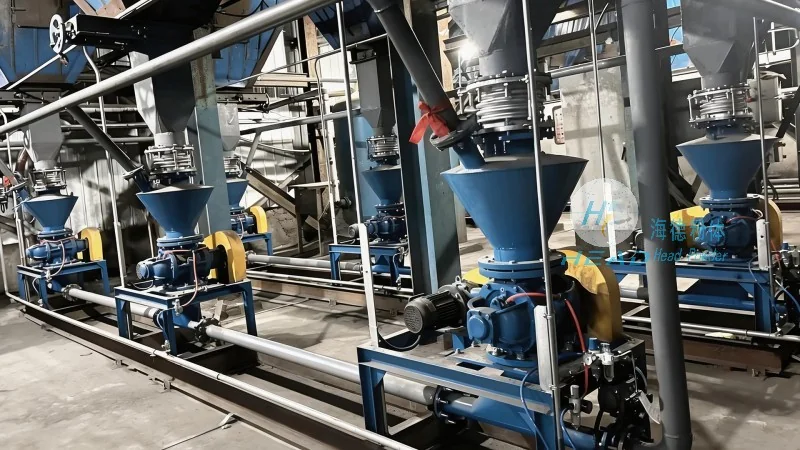
Third, the flexibility of pneumatic conveying systems enables easy integration into existing production lines. They can transport materials over long distances and through complex layouts, including vertical and horizontal configurations, without the need for multiple transfer points or extensive infrastructure modifications. This adaptability reduces installation costs and time, making it a cost-effective solution for both new and retrofit projects.
Key Features and Technical Specifications
HeadPowder's pneumatic conveying systems for silica sand are equipped with advanced features that optimize performance. These include high-capacity blowers capable of handling large volumes of material, adjustable air pressure controls to maintain consistent flow rates, and robust pipeline designs that resist corrosion and abrasion from silica sand particles. The systems also incorporate dust collection and filtration components to ensure compliance with air quality standards and protect equipment from wear.
For example, the company's silo feeding and transfer solutions utilize rotary airlock valves and pulse-jet filters to maintain a continuous and controlled flow of silica sand. These components work together to prevent material buildup and ensure smooth operation, even with varying feed rates. The use of high-quality materials, such as stainless steel and wear-resistant coatings, further extends the lifespan of the equipment, reducing maintenance costs and downtime.
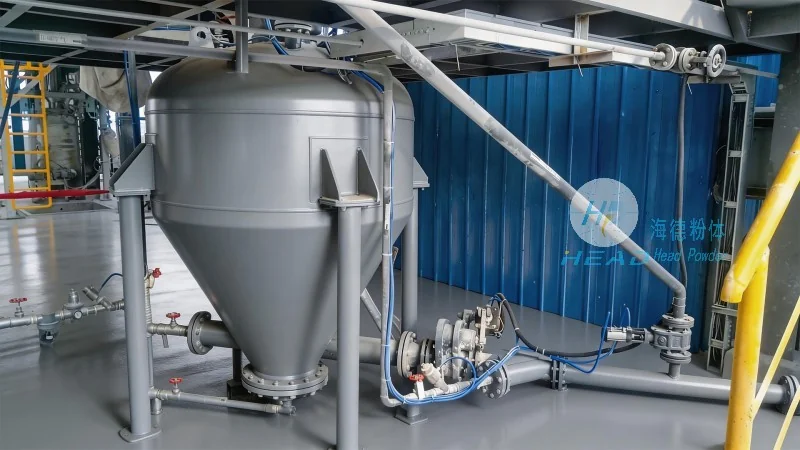
Applications and Industry Impact
The benefits of pneumatic conveying for silica sand extend across multiple industries. In the glass industry, efficient sand transport is vital for maintaining production rates and product quality. Pneumatic systems ensure that raw silica sand is delivered to furnaces and processing units without interruptions, minimizing production delays. In foundries, the consistent supply of silica sand is crucial for casting processes, where uniform material properties are required for durable metal products.
In the construction sector, silica sand is used in concrete and mortar production. Pneumatic conveying allows for the precise mixing of sand with other ingredients, improving the strength and durability of building materials. The ability to handle large volumes of sand quickly and safely enhances productivity on construction sites, contributing to faster project completion.
Conclusion
HeadPowder Engineering Co., Ltd., based in Shandong, China, exemplifies the innovation and expertise in developing advanced silica sand conveying systems. By leveraging pneumatic conveying technology, the company provides solutions that address the unique challenges of handling silica sand while enhancing operational efficiency and safety. The combination of robust engineering, quality materials, and user-friendly design makes their systems a preferred choice for industries relying on silica sand as a critical component. With a commitment to continuous improvement and customer satisfaction, HeadPowder remains at the forefront of material handling solutions for silica sand applications.