

Working Principle and Characteristics of Pneumatic Conveying for Coating Materials
Understanding the working principle and characteristics of pneumatic conveying for coating materials is crucial for optimizing material handling processes in industrial applications. This article provides a detailed overview of how pneumatic conveying systems operate and the key attributes that make them suitable for transporting coating powders and related materials efficiently.
Working Principle of Pneumatic Conveying for Coating Materials
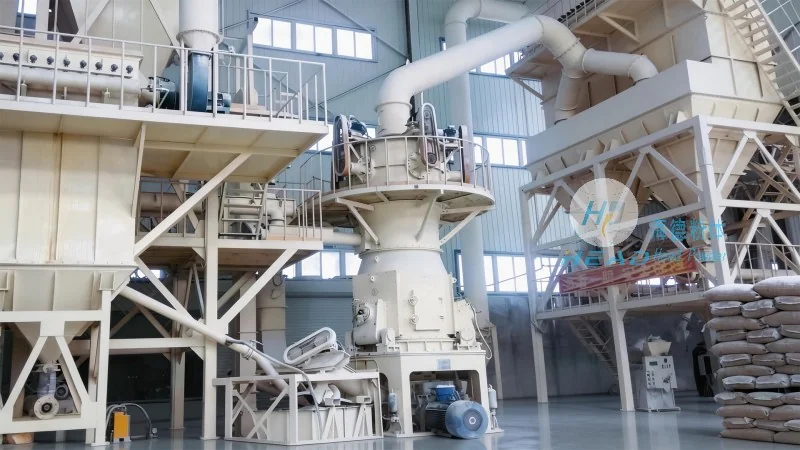
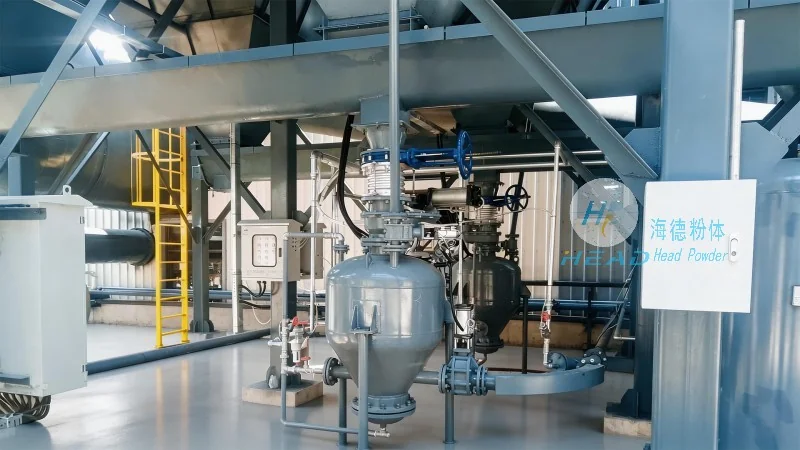
Pneumatic conveying systems utilize air or gas to transport solid materials, such as coating powders, through a network of pipes. The process typically involves two main types: suction (or vacuum) conveying and pressure conveying. In suction conveying, a vacuum is created at the material source to draw the powder into the system. This method is ideal for applications where the material needs to be moved from a lower elevation or over short distances. Pressure conveying, on the other hand, uses compressed air to push the material through the pipes, often suitable for longer distances or when the material must be transported to a higher elevation. The core components of a pneumatic conveying system include a blower or compressor, a hopper to store the coating material, a feed device to introduce the material into the air stream, a pipeline network, and a separation unit to collect the material at the destination. The air flow generated by the blower creates a pressure differential that propels the powder particles along the pipeline. The separation unit, such as a cyclone or bag filter, then separates the material from the air, allowing the air to be recirculated or discharged while the powder is collected for further processing. This closed-loop system minimizes material loss and ensures efficient transport.
Key Characteristics of Pneumatic Conveying for Coating Materials
Several distinct characteristics make pneumatic conveying an attractive option for handling coating materials. Firstly, it offers high efficiency in material transport, as the system can move large volumes of powder quickly and with minimal labor. The absence of mechanical parts in contact with the material reduces wear and tear, leading to lower maintenance costs over time. Additionally, pneumatic conveying is highly flexible, allowing for changes in the layout of the conveying system without major modifications. This adaptability is particularly beneficial in facilities where production processes may evolve or where space constraints require reconfiguration. Another significant advantage is the environmental friendliness of the process. Unlike mechanical conveyors, which may generate dust and noise, pneumatic systems operate with enclosed pipelines, containing dust and minimizing emissions. This makes them compliant with environmental regulations and safer for operators. Furthermore, the system can handle a wide range of coating materials, including fine powders, granules, and even sticky or abrasive substances, without causing degradation or clogging. The ability to control the air flow and pressure allows for precise control over the conveying speed and material distribution, ensuring consistent quality in the final product. However, it is important to note that pneumatic conveying may have limitations in terms of material size and moisture content. Coating powders with high moisture levels or very fine particles may require additional conditioning or specialized equipment to prevent clogging or loss of material. Despite these considerations, the overall benefits of pneumatic conveying, such as its efficiency, flexibility, and environmental advantages, make it a preferred choice for many coating material handling applications.
Applications and Benefits in Coating Industry
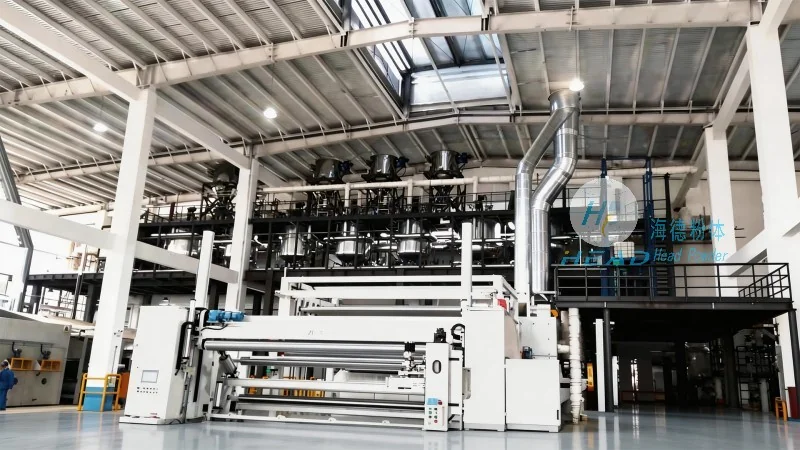
In the coating industry, pneumatic conveying systems are widely used in various stages of production, from raw material storage and transport to the application of coating powders. For instance, in powder coating facilities, pneumatic conveying is used to move the coating powder from storage silos to the spray booth or drying oven. This ensures a consistent and controlled supply of powder, which is critical for achieving uniform coating thickness and quality. The system can also be integrated with mixing and blending equipment to maintain the homogeneity of the coating material. Another application is in the transport of pigments and additives, which are often in powder form and require precise dosing for color matching and performance. Pneumatic conveying allows for accurate measurement and transport of these materials, reducing waste and improving product consistency. The benefits of using pneumatic conveying in these applications extend beyond efficiency. By minimizing material handling errors and reducing the risk of contamination, the system contributes to higher product quality and lower production costs. Furthermore, the ability to handle different types of coating materials without the need for frequent equipment changes makes the system versatile and cost-effective for manufacturers. The environmental benefits, such as reduced dust emissions and lower noise levels, also enhance the overall safety and compliance of the coating facility. In summary, pneumatic conveying offers a reliable and efficient solution for handling coating materials, supporting the production of high-quality coatings while adhering to industry standards and environmental regulations.
Conclusion and Recommendations
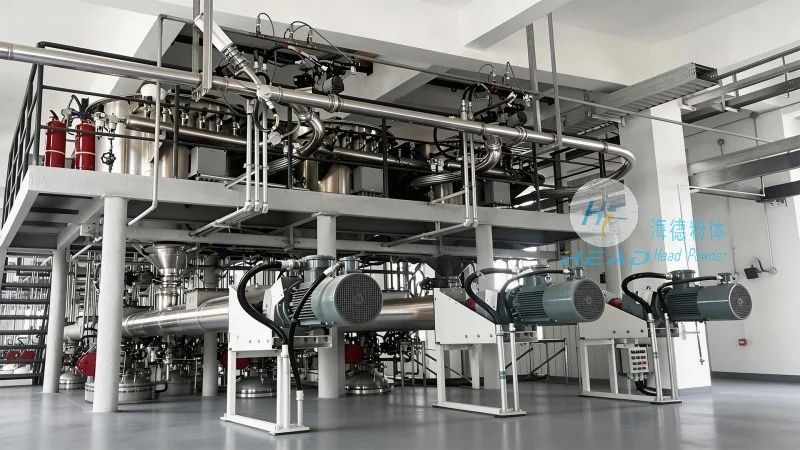
As the demand for efficient and reliable material handling solutions in the coating industry continues to grow, pneumatic conveying systems remain a key technology for transporting coating materials. The working principle, which relies on air flow to move solid particles, combined with its distinct characteristics such as flexibility, environmental friendliness, and efficiency, makes it an ideal choice for various applications. When considering the implementation of a pneumatic conveying system, it is essential to evaluate the specific requirements of the coating material, including particle size, moisture content, and production volume. Consulting with a specialized engineering company, such as Shandong HeadPowder Engineering Co., Ltd., can provide valuable insights into the most suitable system design and components. Shandong HeadPowder Engineering Co., Ltd., with its expertise in material handling solutions, offers tailored pneumatic conveying systems that address the unique needs of coating manufacturers. The company’s experience in designing and manufacturing conveying equipment ensures that the systems are optimized for performance, durability, and compliance with industry standards. By partnering with a reputable supplier like Shandong HeadPowder Engineering Co., Ltd., coating manufacturers can enhance their material handling processes, improve overall productivity, and maintain high product quality. In conclusion, pneumatic conveying for coating materials is a proven technology that offers significant advantages in terms of efficiency, flexibility, and environmental impact. With the right system design and implementation, it can contribute to the success and sustainability of coating production operations.