

Working Principle and Characteristics of High-Pressure Dense-Phase Material Pneumatic Conveying Syst
High-pressure dense-phase material pneumatic conveying systems represent a sophisticated technology used in various industrial applications for the efficient transport of bulk materials. This article provides an in-depth exploration of the working principle and key characteristics of such systems, presented by Shandong HeadPowder Engineering Co., Ltd., a leading provider in this field based in China.
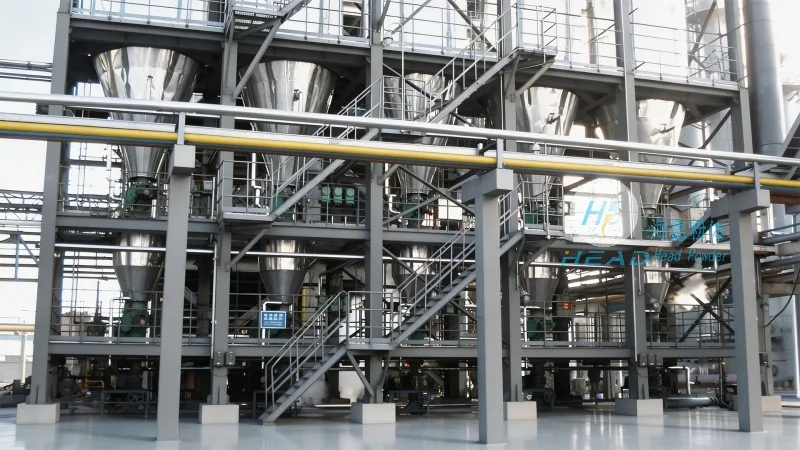
Overview of High-Pressure Dense-Phase Pneumatic Conveying
Before delving into the working principle and characteristics, it is essential to understand the fundamental concept of dense-phase pneumatic conveying. Unlike traditional dilute-phase systems that rely on high air velocities to suspend particles, dense-phase systems operate at lower air velocities and higher material concentrations. This approach results in a more stable and controlled flow, minimizing particle degradation and system wear.
Working Principle of High-Pressure Dense-Phase Material Pneumatic Conveying
The core working principle of a high-pressure dense-phase material pneumatic conveying system involves the use of compressed air or gas to create a pressure differential that drives the material through a pipeline. The system typically consists of several key components, including a material feeder, a pressure vessel or hopper, a compressor or blower, and a pipeline network. The process begins with the material being fed into the system from a storage hopper or silo. The feeder then controls the flow rate of the material into the pressure vessel, where it is mixed with the compressed air or gas. The mixture is then pressurized and transported through the pipeline to the destination point, such as a processing unit or storage tank.
During the conveying process, the material remains in a dense phase, meaning that the particles are closely packed together, reducing the risk of abrasion and material degradation. The pressure differential created by the compressor ensures that the material moves smoothly through the pipeline, with minimal separation or segregation of particles. The system is designed to maintain a consistent flow rate and pressure, which is crucial for maintaining the dense-phase condition and preventing system inefficiencies.
Key Characteristics of High-Pressure Dense-Phase Material Pneumatic Conveying Systems
Several distinct characteristics define high-pressure dense-phase material pneumatic conveying systems, making them suitable for a wide range of applications. These characteristics include:
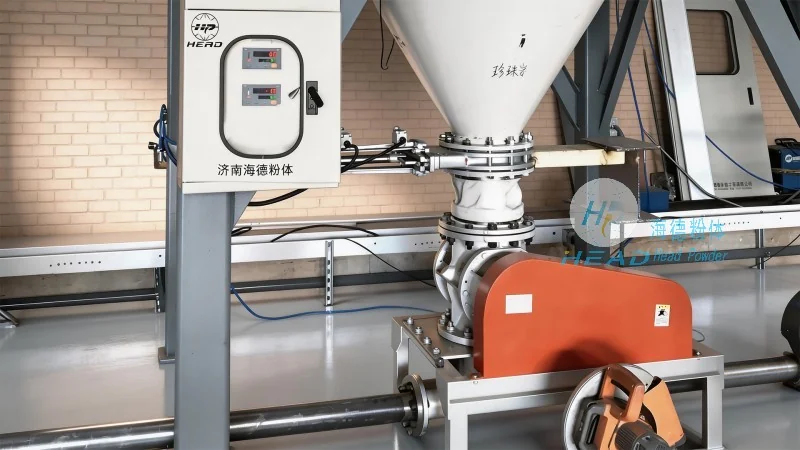
1. Efficient Material Transport
One of the primary advantages of dense-phase systems is their ability to transport materials efficiently over long distances with minimal energy consumption. The high material concentration and controlled flow rates result in a more stable and consistent transport, reducing the need for frequent system maintenance and downtime.
2. Reduced Material Degradation
Due to the lower air velocities and dense-phase operation, the risk of particle attrition and degradation is significantly reduced. This is particularly important for sensitive materials, such as pharmaceuticals, food products, and fine powders, where maintaining the integrity of the material is critical.
3. Low System Wear and Maintenance
The dense-phase operation minimizes the impact of particles on system components, such as pipelines, valves, and pumps. This results in lower wear and tear, extending the lifespan of the system and reducing maintenance costs over time.
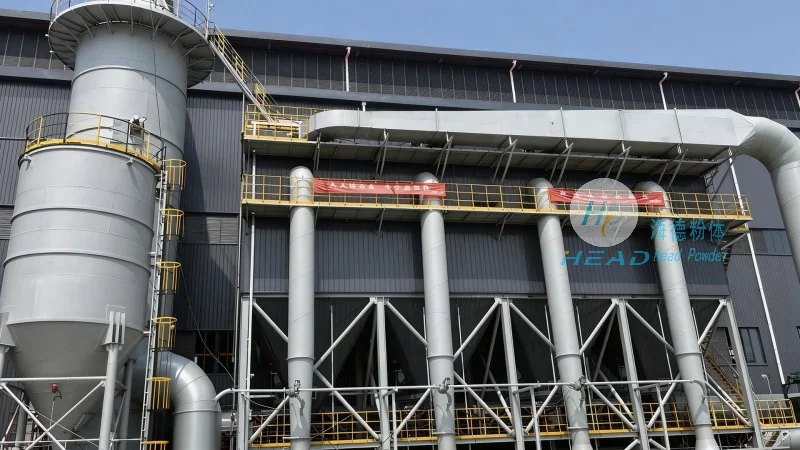
4. Versatility in Material Handling
High-pressure dense-phase systems are capable of handling a wide variety of materials, including abrasive, corrosive, and fine powders. The system's design allows for the transport of materials with different particle sizes, shapes, and moisture contents, making it a versatile solution for diverse industrial needs.
5. Improved Safety and Environmental Control
The enclosed pipeline system and controlled pressure operation enhance safety by preventing dust emissions and minimizing the risk of material spills. Additionally, the system can be equipped with dust collection and filtration systems to meet environmental regulations and ensure a clean working environment.
Applications and Industries
High-pressure dense-phase material pneumatic conveying systems are widely used in various industries, including pharmaceuticals, food processing, chemical manufacturing, and mining. These systems are particularly suitable for applications that require the transport of sensitive materials, long-distance transport, or the handling of abrasive and fine powders.
Conclusion
High-pressure dense-phase material pneumatic conveying systems offer a reliable and efficient solution for bulk material transport in industrial applications. The working principle, which involves the use of compressed air and controlled material flow, combined with the key characteristics of efficiency, reduced degradation, and low maintenance, make these systems a preferred choice for many industries. As a leading provider in this field, Shandong HeadPowder Engineering Co., Ltd. specializes in designing and manufacturing high-quality dense-phase conveying systems tailored to meet the specific needs of its clients, ensuring optimal performance and reliability in material handling operations.