

Working Principle and Characteristics of Pneumatic Conveying for Malt Materials
HeadPowder, a leading engineering company based in Shandong, China, specializes in the design and implementation of efficient pneumatic conveying systems tailored for malt materials. This article explores the fundamental working principles and key characteristics of such systems, providing insights into their operational efficiency and practical applications.
The Working Principle of Pneumatic Conveying for Malt Materials
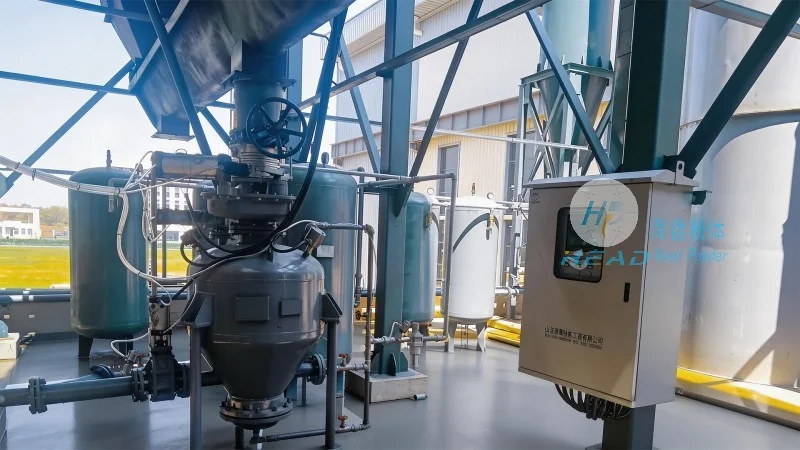
Pneumatic conveying systems utilize air or gas as the primary medium to transport dry, free-flowing materials like malt. The process typically involves a series of components that work in concert to move the material from the source to the destination. The core mechanism can be categorized into two main types: dilute-phase and dense-phase conveying.
In dilute-phase systems, the material is suspended in a high-velocity air stream, allowing for long-distance transport with minimal pressure drop. This method is ideal for transporting malt over moderate distances, where the material remains in a fluidized state. Conversely, dense-phase conveying involves a lower air velocity, resulting in a higher material concentration in the pipeline. This approach is particularly effective for handling malt that requires gentle handling to preserve its quality, such as during the transfer of sensitive malt varieties.
The system generally includes a hopper or feeder to introduce the malt into the pipeline, a blower or compressor to generate the necessary air pressure, and a receiver or discharge point to collect the material. The air flow is controlled to maintain the desired material velocity, ensuring consistent and reliable transport. For malt materials, the choice between dilute and dense-phase systems depends on factors like the distance to be covered, the required material handling speed, and the need to preserve the malt's integrity.
Key Characteristics of Pneumatic Conveying Systems for Malt
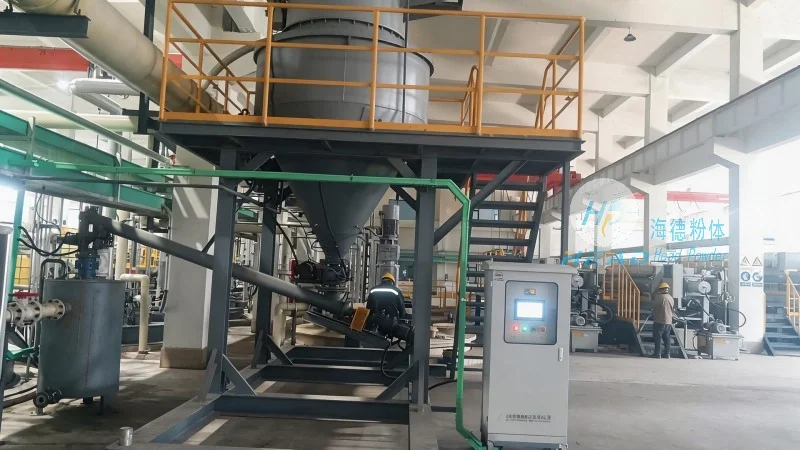
Efficiency and Versatility: Pneumatic conveying systems offer high efficiency in transporting malt materials, with the ability to handle various types of malt, including whole, crushed, or milled varieties. The flexibility of these systems allows for integration into existing production lines, reducing the need for additional infrastructure.
Low Maintenance and Cleanliness: Unlike mechanical conveyors, pneumatic systems minimize contact between the malt and the conveying equipment, reducing the risk of contamination and the need for frequent cleaning. This is crucial for maintaining the quality of malt, which is often used in food and beverage applications where hygiene is paramount.
Energy Efficiency: Modern pneumatic conveying systems are designed to optimize energy consumption. By using appropriate air velocities and system configurations, the energy required for material transport is minimized, contributing to cost savings and reduced environmental impact.
Control and Safety: Advanced control systems enable precise regulation of the conveying process, ensuring consistent material flow and preventing overloading or blockages. Safety features, such as pressure relief valves and emergency shut-off mechanisms, are integrated to protect both the equipment and personnel during operation.
Application Examples in Malt Processing
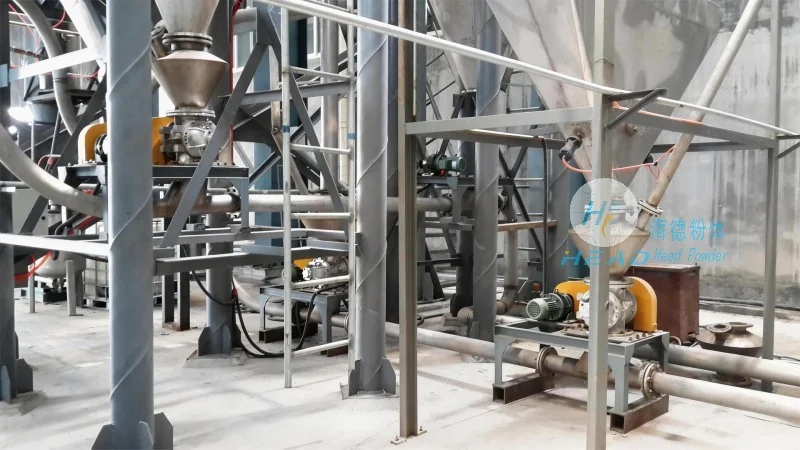
Pneumatic conveying systems are widely used in malt processing facilities for tasks such as transferring malt from storage silos to milling equipment, moving malt between different processing stages, and delivering malt to packaging lines. The ability to handle different malt forms and maintain product quality makes these systems indispensable in modern malt production.
For instance, in a malt mill, the system can efficiently transport crushed malt from the storage hopper to the grinding unit, ensuring a steady supply of material without the need for manual handling. Similarly, in a brewery, pneumatic conveying can be used to move malt from the storage area to the brewhouse, where it is used in the brewing process. The gentle handling provided by dense-phase conveying is particularly beneficial for preserving the malt's enzymes and other functional components, which are critical for the quality of the final beer.
Conclusion
HeadPowder's expertise in pneumatic conveying systems for malt materials highlights the importance of selecting the right technology for efficient and reliable material transport. By understanding the working principles and characteristics of these systems, malt processing facilities can optimize their operations, improve product quality, and reduce operational costs. With a focus on innovation and customer needs, HeadPowder continues to provide tailored solutions that meet the evolving demands of the malt industry.