

Working Principle and Characteristics of Pneumatic Conveying for Calcium Chloride Materials
Calcium chloride is a widely used chemical compound in various industrial applications, and the efficient transportation of this material is crucial for maintaining production efficiency and safety. Pneumatic conveying is a common method for handling calcium chloride, offering several advantages over traditional mechanical methods. This article explores the working principle and key characteristics of pneumatic conveying systems specifically designed for calcium chloride materials, providing insights into how these systems operate and their benefits in industrial settings.
Working Principle of Pneumatic Conveying for Calcium Chloride
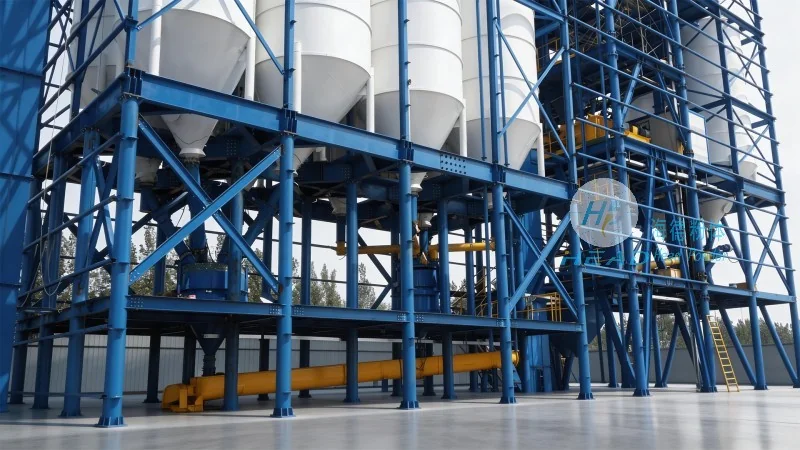
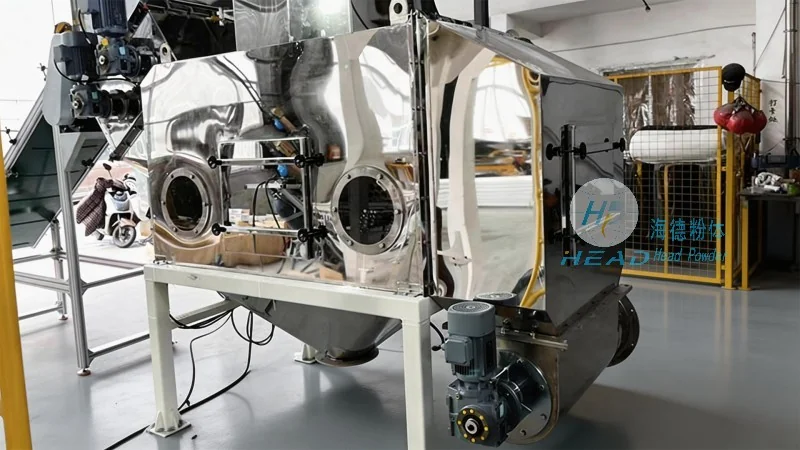
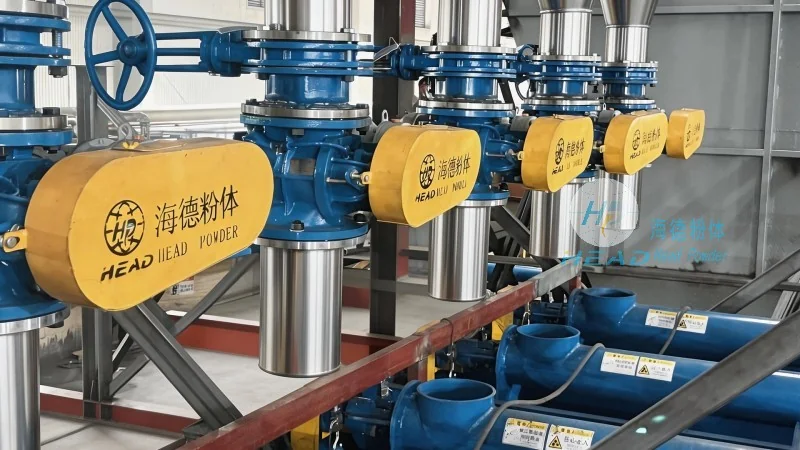
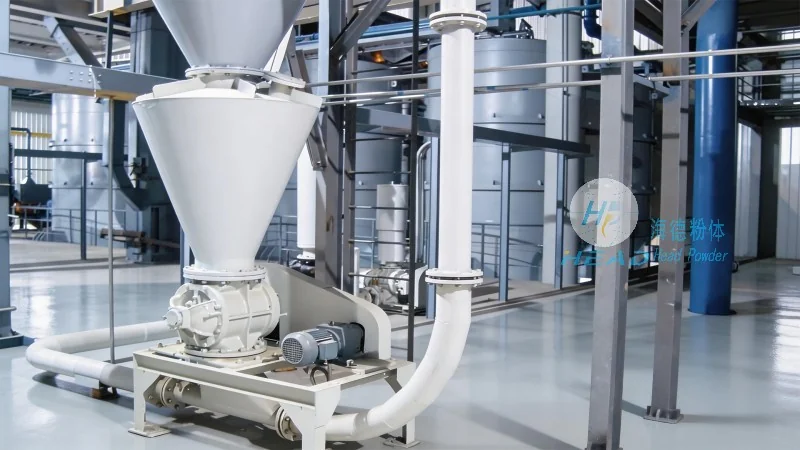
The fundamental principle of pneumatic conveying for calcium chloride involves the use of a gas stream, typically air, to transport solid particles through a pipeline. The process can be categorized into two main types: dilute-phase and dense-phase conveying, each with distinct operating characteristics. In dilute-phase systems, the material is suspended in the air stream as fine particles, allowing for high-velocity transport over long distances. Dense-phase systems, on the other hand, use lower air velocities to create a more compact flow, which is beneficial for handling materials that are prone to bridging or segregation. The system typically consists of a blower or compressor to generate the air flow, a hopper or feeder to introduce the calcium chloride into the pipeline, and a receiver or silo to collect the material at the destination. The air flow is controlled by valves and regulators to ensure consistent material transport and prevent clogging or pressure buildup. For calcium chloride, which can be hygroscopic and abrasive, the design of the conveying system must consider material properties to minimize wear and maintain system efficiency. The working principle also involves the interaction between the air and the solid particles, where the air provides the necessary kinetic energy to move the material through the pipeline. The velocity and pressure of the air are critical parameters that determine the system's capacity and performance. Proper design ensures that the air velocity is sufficient to keep the particles in suspension but not so high as to cause excessive energy consumption or particle degradation. The system's efficiency is further enhanced by the use of appropriate pipeline diameters, bends, and fittings that minimize pressure losses and maintain a smooth flow. In summary, the working principle of pneumatic conveying for calcium chloride relies on the dynamic interaction between air and solid particles, enabling reliable and continuous material transport.