

Working Principle and Characteristics of Pneumatic Conveying for Bone Powder Materials
When discussing the efficient handling of bone powder materials, understanding the underlying mechanisms of pneumatic conveying is crucial. This technology involves the transport of bulk materials like bone powder through a pipeline using a gas stream, typically air or other gases. The core working principle revolves around creating a pressure differential that propels the material forward. There are two primary modes of pneumatic conveying: pressure and vacuum systems. In pressure systems, a positive pressure is generated at the conveying point, pushing the material through the pipeline. Conversely, vacuum systems create a negative pressure at the receiving end, drawing the material from the source. The selection of the appropriate mode depends on factors such as the distance, material properties, and operational requirements.
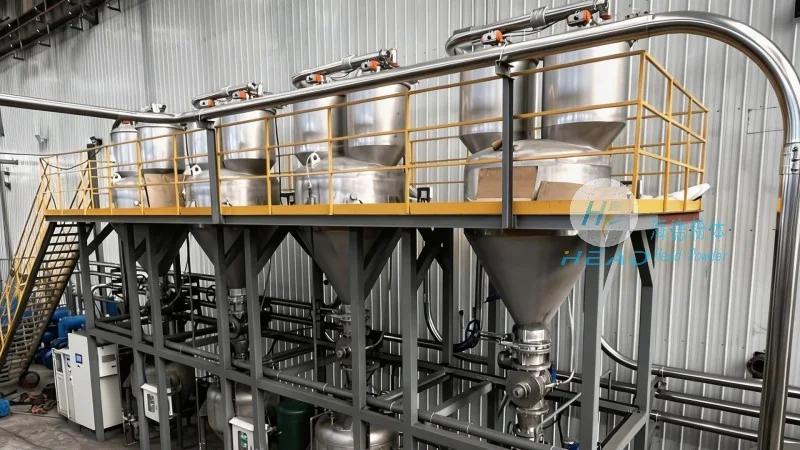
Bone powder, derived from animal bones through processing, presents unique characteristics that influence the design and operation of pneumatic conveying systems. Its fine particle size and potential for dust generation require specialized equipment to ensure efficient and safe transport. The material's density and flowability also play a role in determining the optimal conveying velocity and pressure. For instance, bone powder often has a relatively low bulk density compared to other bulk solids, which may necessitate higher air velocities to maintain a consistent flow. Additionally, the hygroscopic nature of bone powder can affect its handling, as moisture absorption may lead to agglomeration or caking, impacting the conveying efficiency. Therefore, the design of the pneumatic system must account for these material-specific properties to prevent blockages and ensure reliable operation.
The characteristics of pneumatic conveying for bone powder materials extend beyond the basic transport mechanism. One key advantage is the ability to handle materials in a closed system, minimizing dust exposure and environmental contamination. This is particularly important for bone powder, which may contain pathogens or be subject to regulatory requirements regarding air quality. The enclosed pipeline design also allows for better control over temperature and humidity, which can be critical for maintaining the quality of the bone powder during transport. Furthermore, pneumatic conveying systems can be integrated with other processing steps, such as drying or grinding, creating a seamless material flow from source to destination. This integration enhances overall operational efficiency and reduces the need for manual handling, which is beneficial for both safety and productivity.
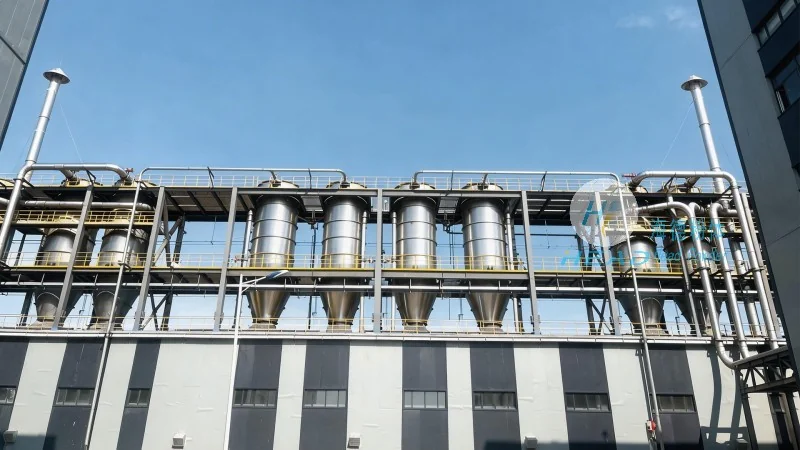
From a practical standpoint, the implementation of pneumatic conveying for bone powder requires careful consideration of system components. The material feed system, including hoppers and feeders, must be designed to handle the fine, potentially abrasive nature of bone powder. Screw feeders or rotary valves are commonly used to control the flow rate and prevent material buildup. The pipeline itself is typically made of materials resistant to corrosion and wear, such as stainless steel or plastic, to ensure durability and maintain product purity. The air compressor or vacuum pump, depending on the system type, must be capable of delivering the required pressure or vacuum levels while maintaining energy efficiency. Regular maintenance of these components is essential to prevent system downtime and ensure consistent performance.
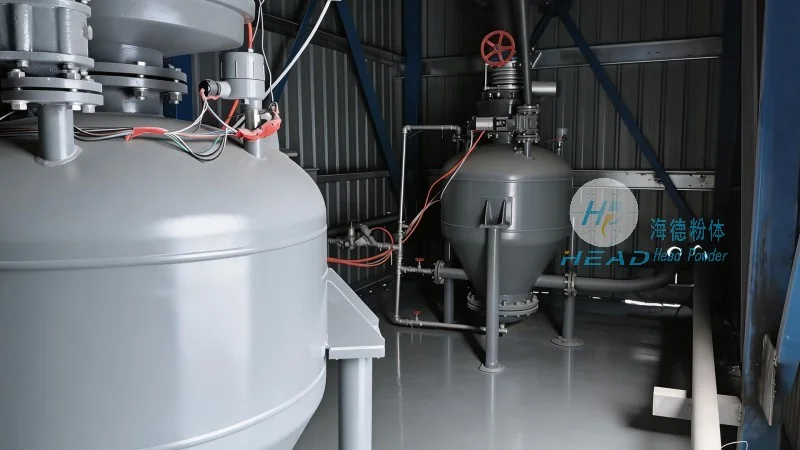
Shandong HeadPowder Engineering Co., Ltd., a leading provider in the field, specializes in the design and manufacturing of pneumatic conveying systems tailored to the unique needs of bone powder processing. With a strong focus on innovation and customer satisfaction, the company has developed advanced solutions that address the challenges associated with handling bone powder. Their expertise in material science and engineering allows them to optimize system performance, ensuring reliable and efficient transport of bone powder while adhering to industry standards and regulations. The company's commitment to quality and safety is evident in their product design, which incorporates features such as dust collection and filtration to protect both the environment and personnel. By leveraging their experience and technical knowledge, Shandong HeadPowder Engineering Co., Ltd. helps clients enhance their operational efficiency and reduce costs associated with material handling.
In conclusion, pneumatic conveying for bone powder materials is a sophisticated technology that combines engineering principles with material-specific considerations. The working principle, which relies on pressure or vacuum to move the material through a pipeline, is complemented by characteristics that make it suitable for applications where dust control and efficient transport are critical. Companies like Shandong HeadPowder Engineering Co., Ltd. play a vital role in providing tailored solutions that meet the unique demands of bone powder processing, ensuring that the material is handled safely and effectively. As the industry continues to evolve, the importance of efficient material handling systems like pneumatic conveying will only grow, making it an essential component of modern processing operations.