

Working Principle and Characteristics of Catalyst Material Pneumatic Conveying
Understanding the working principle and characteristics of catalyst material pneumatic conveying is crucial for industries that rely on efficient material handling and processing. This article provides a detailed overview of how pneumatic conveying systems operate and the key attributes that define their performance in handling catalyst materials. Catalysts, often in the form of fine powders, are critical components in various industrial processes, including chemical manufacturing, petrochemical production, and environmental treatment. Efficient transportation of these materials is essential to maintain production efficiency and ensure product quality. Pneumatic conveying offers a non-contact method of material transport, which is particularly beneficial for catalysts that are sensitive to contamination or degradation during handling.
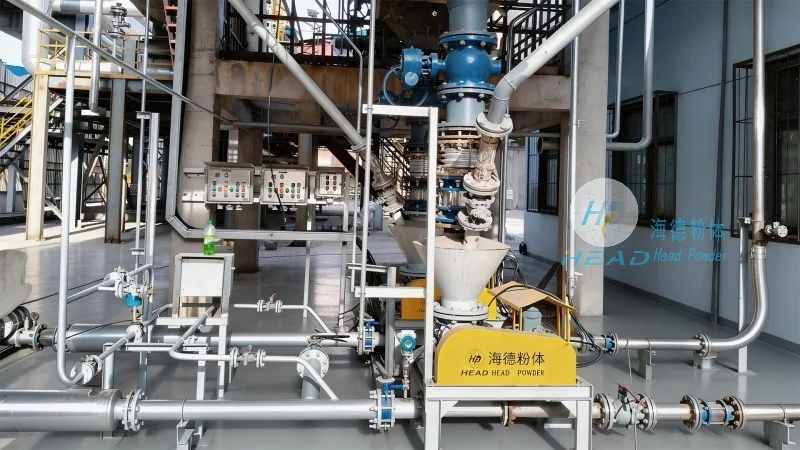
Working Principle of Pneumatic Conveying for Catalyst Materials
Pneumatic conveying systems operate by using air or gas to move bulk materials through a pipeline network. The fundamental principle involves creating a pressure differential between the source and destination points. In positive pressure systems, compressed air is introduced at the material source, where it mixes with the catalyst powder to form a slurry. This mixture is then propelled through the conveying line to the receiving hopper or storage tank. The air velocity is carefully controlled to ensure that the material particles remain suspended and do not settle prematurely. For catalyst materials, which typically have low bulk density and fine particle sizes, the air velocity must be optimized to prevent clogging and ensure smooth transport. Negative pressure systems, conversely, create a vacuum at the receiving end, drawing the material from the source into the system. This method is often used for shorter distances or when the material is to be transported to a lower elevation. The choice between positive and negative pressure systems depends on factors such as the distance to be covered, the material's properties, and the available space for system installation.
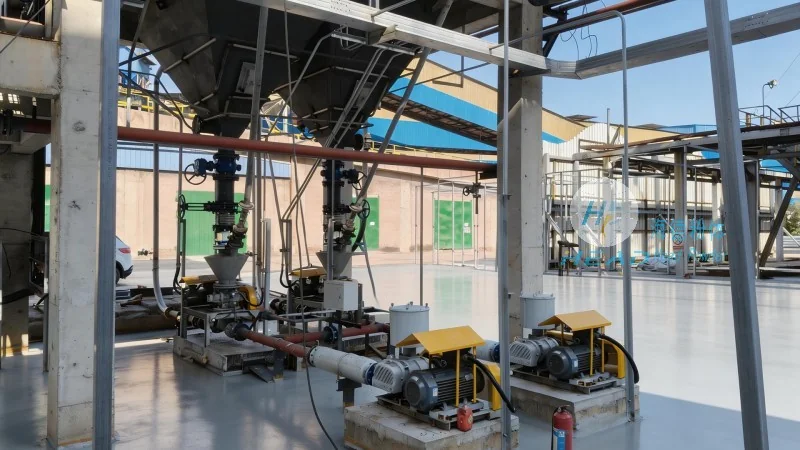
Key Characteristics of Catalyst Material Pneumatic Conveying
The characteristics of pneumatic conveying systems for catalyst materials are designed to address the unique challenges of handling these materials. One of the primary advantages is the ability to transport materials in a closed system, which minimizes contamination and dust exposure. This is particularly important for catalysts, as they are often sensitive to moisture, oxygen, or other environmental factors that could affect their performance. The closed system also helps in maintaining the integrity of the material, preventing agglomeration or degradation during transport. Another key characteristic is the high efficiency in terms of speed and throughput. Pneumatic conveying can transport large quantities of catalyst material quickly, reducing downtime and increasing overall production capacity. The systems are also flexible in terms of layout, as they can be easily integrated into existing industrial setups without extensive modifications. This adaptability allows companies to upgrade their material handling processes without major structural changes. Additionally, pneumatic conveying systems are relatively low maintenance compared to other bulk material transport methods, such as belt conveyors or screw conveyors. The absence of moving parts in the conveying line reduces the risk of mechanical failure and simplifies routine maintenance.
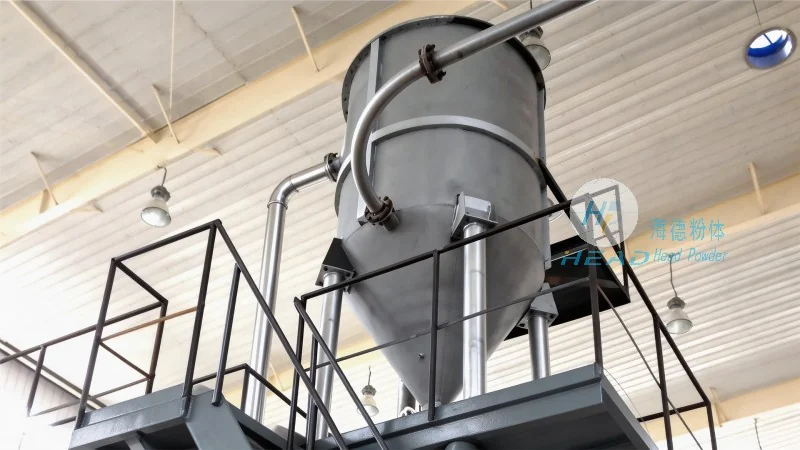
About HeadPowder: Expert in Pneumatic Conveying Solutions
HeadPowder, a leading provider of engineering solutions for material handling, specializes in designing and manufacturing pneumatic conveying systems tailored to the needs of various industries. With a focus on innovation and quality, HeadPowder has established itself as a trusted partner for companies seeking reliable solutions for catalyst material transport. The company's headquarters is located in Shandong, China, where it leverages advanced technology and expertise to develop cutting-edge systems that meet the highest standards of performance and safety. HeadPowder's team of engineers and technicians work closely with clients to understand their specific requirements, from material properties to operational constraints, and design customized pneumatic conveying solutions that optimize efficiency and minimize costs. The company's products are known for their durability, reliability, and compliance with industry standards, ensuring that clients receive systems that deliver consistent performance over the long term. By choosing HeadPowder, industries can enhance their material handling capabilities, improve production efficiency, and maintain the quality of their catalyst products.