

Working Principle and Characteristics of Pneumatic Conveying for Light Calcium Powder Materials
HeadPowder, a leading enterprise in the field of material handling solutions, specializes in the design, manufacturing, and implementation of advanced pneumatic conveying systems tailored for light calcium powder applications. With a strong presence in Shandong, China, the company has established itself as a reliable partner for industries requiring efficient and reliable material transport. This article delves into the working principle and key characteristics of pneumatic conveying systems specifically designed for light calcium powder materials, providing a comprehensive overview for potential clients and industry professionals.
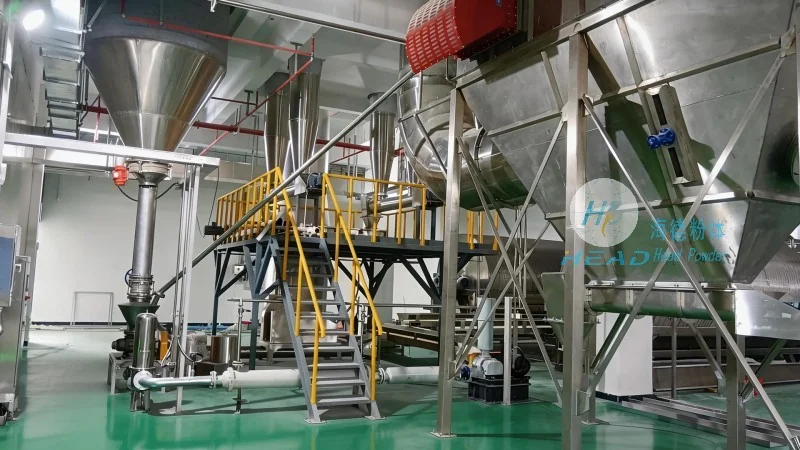
Understanding Pneumatic Conveying Systems for Light Calcium Powder
Pneumatic conveying, also known as pneumatic transport, is a method of transporting bulk materials, such as light calcium powder, through a pipeline using a gas stream, typically air. The system operates by creating a pressure differential within the pipeline, which draws the powder material into the conveying line and transports it to the desired destination. This technology offers a flexible and efficient solution for handling fine powders, avoiding the need for mechanical components like belts or buckets that might cause contamination or material degradation.
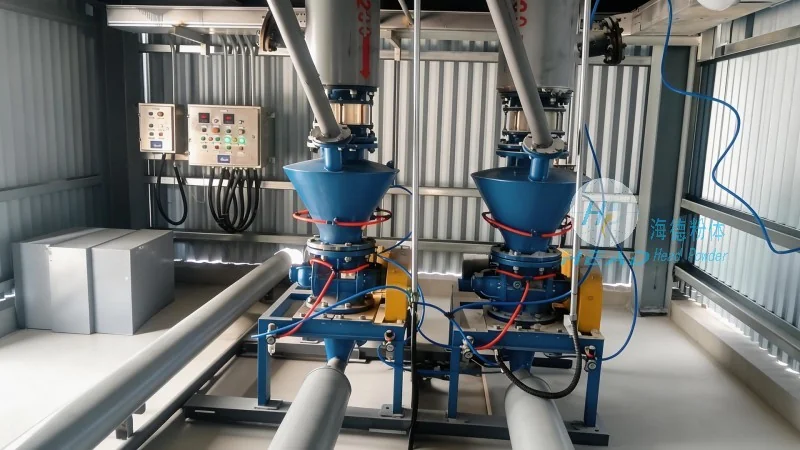
The Working Principle of Light Calcium Powder Pneumatic Conveying
The core mechanism of a light calcium powder pneumatic conveying system involves several key steps. First, the light calcium powder is introduced into the conveying line, often through a hopper or feeder. The system then generates a high-velocity air stream, which creates a negative pressure or positive pressure environment within the pipeline. This air stream entrains the powder particles, forming a dense or dilute phase flow depending on the system design. The material is then transported through the pipeline to the discharge point, where it is separated from the air and collected in a receiver or storage vessel. The air, now carrying fine particles, is filtered and cleaned before being released back into the environment or recycled back into the system. This continuous process ensures a smooth and consistent flow of light calcium powder, minimizing downtime and operational disruptions.
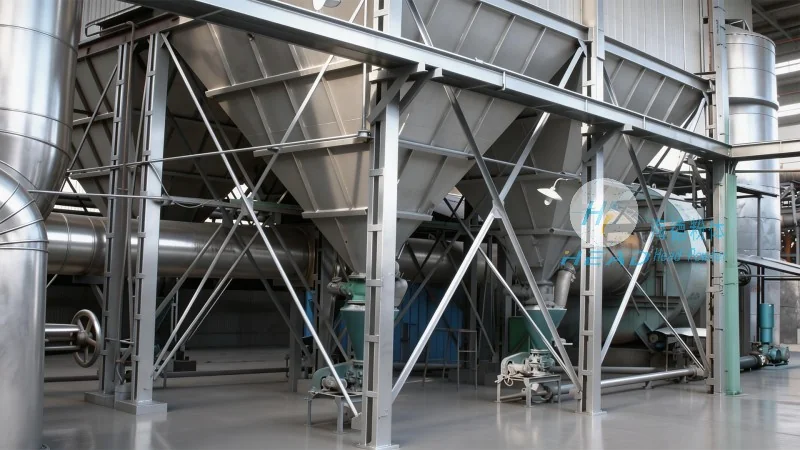
Key Characteristics of Pneumatic Conveying for Light Calcium Powder
Several distinct characteristics define the effectiveness and suitability of pneumatic conveying systems for light calcium powder applications. Firstly, the system provides a dust-free and hygienic transport environment, which is crucial for maintaining product quality and compliance with industry standards. Unlike mechanical conveying methods, pneumatic systems do not involve direct contact with the material, reducing the risk of contamination and ensuring the powder remains in its original state. Secondly, the flexibility of pneumatic conveying allows for the transport of light calcium powder over long distances and through complex layouts, including vertical lifts and horizontal turns, without the need for additional equipment or infrastructure. This adaptability makes the system ideal for various industrial settings, from small-scale operations to large-scale production facilities. Thirdly, the energy efficiency of modern pneumatic conveying systems has improved significantly, with advanced control technologies optimizing air usage and reducing operational costs. Additionally, the system offers high capacity and throughput, capable of handling large volumes of light calcium powder at a consistent rate, which enhances overall productivity. Finally, the maintenance requirements for pneumatic conveying systems are relatively low compared to other material handling methods, as they have fewer moving parts and are less prone to wear and tear. This contributes to lower long-term operational costs and increased system reliability.
Applications and Benefits in Industrial Settings
The advantages of pneumatic conveying for light calcium powder are evident in various industrial applications. In the chemical and pharmaceutical industries, where product purity is paramount, pneumatic systems ensure that light calcium powder is transported without contamination, maintaining the integrity of the final product. In the food and beverage sector, the hygienic design of pneumatic conveying equipment meets strict regulatory requirements, allowing for safe handling of food-grade calcium products. Additionally, in the construction and manufacturing industries, the ability to transport light calcium powder efficiently supports production lines that require consistent material supply, reducing bottlenecks and improving overall operational efficiency. The adaptability of the system to different powder properties, such as particle size and moisture content, further enhances its versatility across diverse industrial applications.
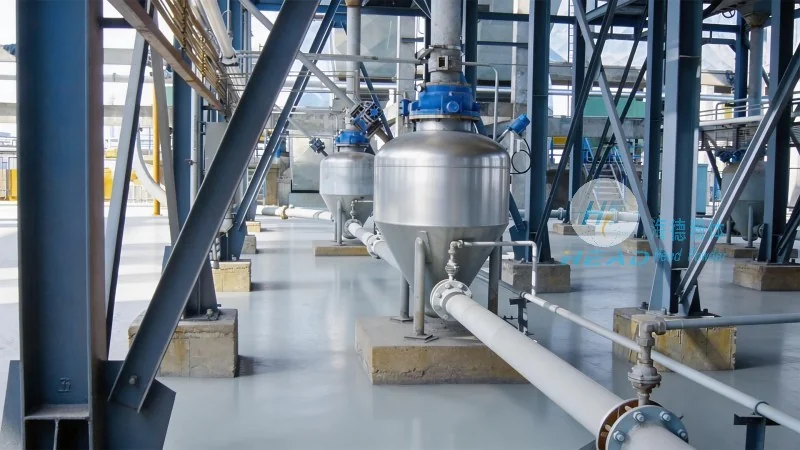
Conclusion and Company Overview
HeadPowder Engineering Co., Ltd., based in Shandong, China, continues to innovate and provide cutting-edge pneumatic conveying solutions for light calcium powder materials. By leveraging advanced technology and a deep understanding of material handling principles, the company ensures that its systems meet the highest standards of efficiency, reliability, and safety. The working principle and characteristics of pneumatic conveying, as discussed, highlight the superior performance and benefits of this technology for light calcium powder transport. For industries seeking a reliable and efficient material handling solution, HeadPowder stands ready to deliver tailored systems that enhance productivity and maintain product quality. With a strong commitment to customer satisfaction and technological advancement, the company remains a trusted partner in the material handling industry.