

Working Principle and Characteristics of Pneumatic Conveying for Molybdenum Oxide Materials
HeadPowder, a leading enterprise in the field of material handling technology, specializes in the design, manufacturing, and application of pneumatic conveying systems. This article focuses on the working principle and key characteristics of pneumatic conveying for molybdenum oxide materials, providing a comprehensive overview of this advanced material transport technology.
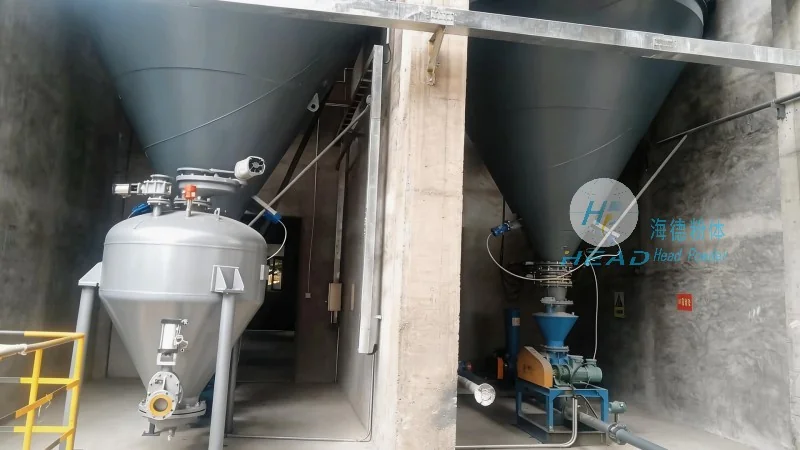
Molybdenum oxide is a critical industrial material widely used in various sectors such as metallurgy, chemical industry, and aerospace. The efficient and reliable transport of molybdenum oxide is essential for optimizing production processes and ensuring product quality. Pneumatic conveying offers a highly effective solution for handling this material, especially when traditional methods like belt conveyors or bucket elevators are not suitable due to the material's properties or the operational environment.
Working Principle of Pneumatic Conveying for Molybdenum Oxide
The core working principle of pneumatic conveying for molybdenum oxide involves the use of compressed air or other gas to transport the material particles through a pipeline system. The process typically consists of several key components and steps:
1. Air Supply System: A high-pressure air compressor or blower generates the necessary airflow to create the conveying pressure. The air is then filtered and regulated to ensure clean and consistent air quality, which is crucial for preventing contamination of the molybdenum oxide and maintaining the efficiency of the system.
2. Material Feeding: The molybdenum oxide is fed into the conveying line through a hopper or feeder. The feeder is designed to control the flow rate of the material, ensuring a steady and controlled supply to the pipeline. This step is critical to avoid blockages or uneven flow, which can impact the conveying efficiency.
3. Conveying Pipeline: The material particles are suspended in the air stream within the pipeline. The air velocity is maintained at a level that is sufficient to keep the particles airborne and move them along the pipeline. The pipeline design, including the diameter, length, and bends, is optimized to minimize pressure drop and energy consumption while ensuring the material reaches the destination without degradation.
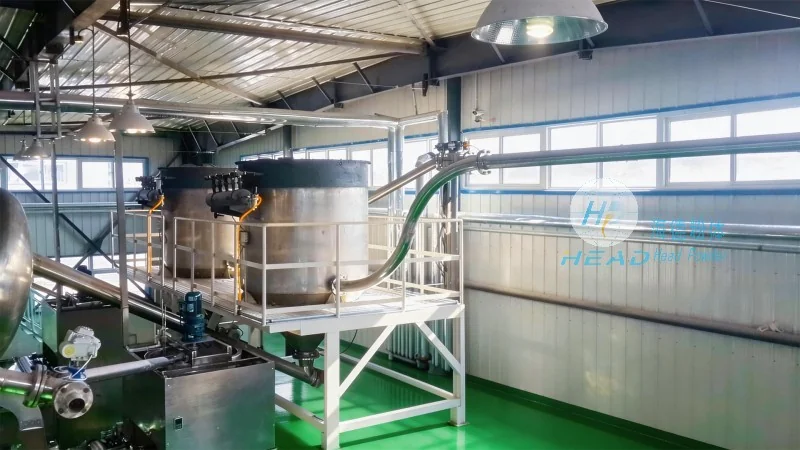
4. Discharge and Separation: At the receiving end of the pipeline, the air and material are separated. The molybdenum oxide is collected in a hopper or storage vessel, while the air is either filtered and recirculated or vented to the atmosphere. The separation process is designed to achieve high efficiency, ensuring that the material is fully recovered and the air is clean.
Key Characteristics of Pneumatic Conveying for Molybdenum Oxide
Pneumatic conveying systems for molybdenum oxide exhibit several distinct characteristics that make them advantageous for industrial applications:
1. Non-Contact Transport: Unlike mechanical conveyors, pneumatic conveying does not involve direct contact between the material and the conveying equipment. This eliminates the risk of material contamination, wear and tear on the equipment, and the need for frequent maintenance. For molybdenum oxide, which is often used in high-purity applications, this non-contact feature is particularly important to maintain product integrity.
2. Flexibility in Layout: Pneumatic conveying systems can be easily integrated into existing production facilities with flexible pipeline layouts. The pipelines can be installed horizontally, vertically, or at various angles, allowing for the optimization of the material flow path based on the plant layout. This flexibility reduces the need for extensive structural modifications and minimizes the footprint of the conveying system.
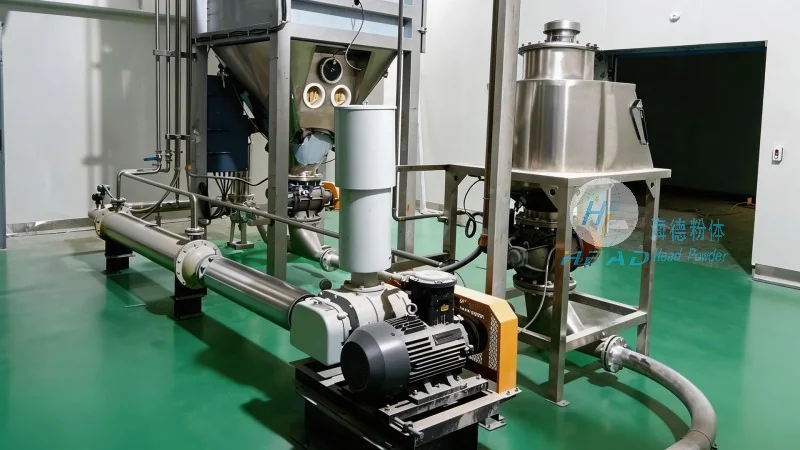
3. Energy Efficiency: Modern pneumatic conveying systems are designed to be energy-efficient, with optimized air velocity and pipeline design that reduces energy consumption. The use of high-efficiency compressors and proper system sizing helps to minimize operational costs while maintaining high conveying capacity. For molybdenum oxide, which may be transported over long distances or through complex layouts, energy efficiency is a key consideration.
4. Low Maintenance Requirements: Compared to mechanical conveyors, pneumatic conveying systems have fewer moving parts and are less prone to mechanical failures. The absence of belts, chains, or buckets reduces the risk of wear and tear, leading to lower maintenance costs and longer system lifespans. This is particularly beneficial for handling abrasive materials like molybdenum oxide, which can cause significant wear on mechanical components.
5. Ability to Handle Diverse Particle Sizes: Pneumatic conveying systems can effectively handle a wide range of particle sizes, from fine powders to larger granules. The air velocity and pipeline design can be adjusted to accommodate different particle characteristics, ensuring reliable transport of molybdenum oxide regardless of its physical form. This versatility makes pneumatic conveying suitable for various applications, from small-scale laboratory use to large-scale industrial production.
6. Environmental Considerations: Pneumatic conveying systems can be designed with dust collection and filtration systems to minimize environmental impact. The air is typically filtered to remove any fine particles before being released or recirculated, ensuring compliance with environmental regulations. For molybdenum oxide, which may be hazardous if released into the environment, proper filtration and containment are essential to protect both the workforce and the surrounding ecosystem.
HeadPowder, as a professional provider of pneumatic conveying solutions, offers customized systems tailored to the specific needs of molybdenum oxide handling. By leveraging advanced technology and engineering expertise, HeadPowder ensures that the conveying systems are optimized for efficiency, reliability, and safety. The company's commitment to quality and customer satisfaction has made it a trusted partner in the industry, providing solutions that meet the evolving demands of modern manufacturing.