

Working Principle and Characteristics of Pneumatic Conveying for Iron Powder Materials
HeadPowder, a leading provider in the field of material handling solutions, specializes in advanced pneumatic conveying systems tailored for iron powder and similar fine powders. This article delves into the working principle and key characteristics of pneumatic conveying for iron powder materials, offering insights into how these systems operate and their advantages in industrial applications.
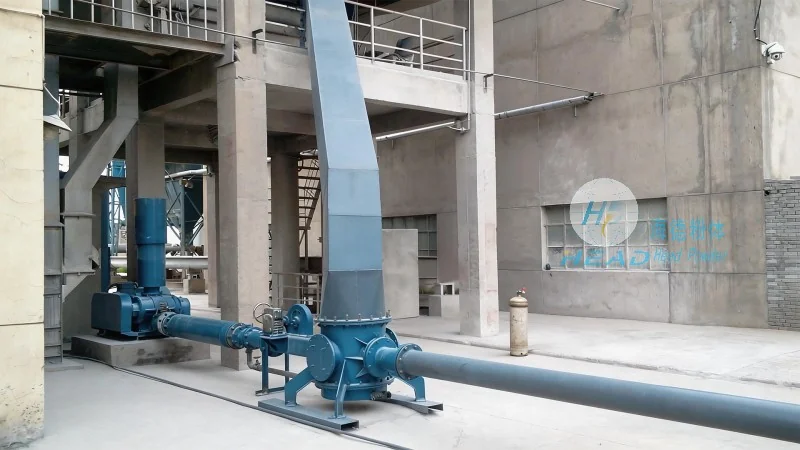
Introduction to Pneumatic Conveying for Iron Powder
Pneumatic conveying is a method used to transport bulk materials, such as iron powder, through a pipeline using air or gas as the conveying medium. Unlike traditional mechanical conveying systems, which rely on belts, screws, or buckets, pneumatic systems utilize the force of air to move particles, making them particularly suitable for handling fine, dusty, or abrasive materials like iron powder. The technology has evolved significantly over the years, with various designs and configurations available to meet the specific needs of different industrial processes.
Working Principle of Pneumatic Conveying for Iron Powder
The core of pneumatic conveying for iron powder involves several key components and processes. At its simplest, the system operates by creating a pressure differential between the inlet and outlet of the conveying line. A fan or blower generates the necessary airflow, which is then directed into the material feed point. As the iron powder is introduced into the pipeline, it is entrained by the moving air and transported to the destination point, such as a storage silo or processing unit. The process can be categorized into two main types: dilute-phase and dense-phase conveying, each with distinct operating characteristics and applications.
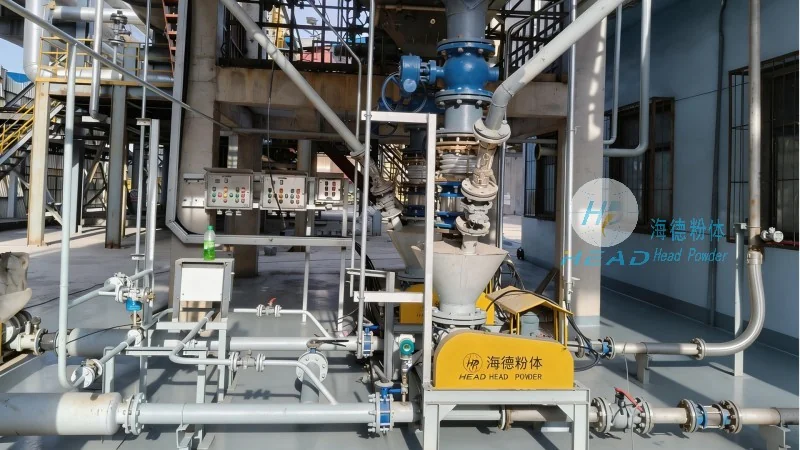
In dilute-phase pneumatic conveying, the material is suspended in the air stream as individual particles, with a low solids concentration (typically less than 10% by volume). This method is efficient for long-distance transport and is often used for iron powder with relatively low moisture content. The system relies on high-velocity air to keep the particles airborne, ensuring smooth and continuous movement through the pipeline. Conversely, dense-phase conveying operates at a higher solids concentration (up to 30% by volume) and uses lower air velocities, which helps to minimize particle degradation and reduce the risk of blockages. This approach is particularly beneficial for handling iron powder that is more sensitive to handling conditions, such as those with high moisture or cohesive properties.
Key Characteristics of Pneumatic Conveying for Iron Powder
Several distinct characteristics define the performance and suitability of pneumatic conveying systems for iron powder. First, the technology offers excellent flexibility in terms of system layout and material handling. Unlike fixed mechanical systems, pneumatic conveyors can be easily reconfigured or expanded to accommodate changes in production volume or process requirements. This adaptability is crucial for industries that may experience fluctuations in demand or need to integrate new processing lines.
Second, pneumatic conveying provides a high degree of cleanliness and containment. The enclosed pipeline system prevents dust emissions and cross-contamination, which is essential for maintaining product quality and complying with environmental regulations. For iron powder, which can be a source of airborne particulates, this feature is particularly important, as it helps to minimize health risks and environmental impact. Additionally, the system reduces the need for manual handling, thereby improving workplace safety and reducing labor costs.
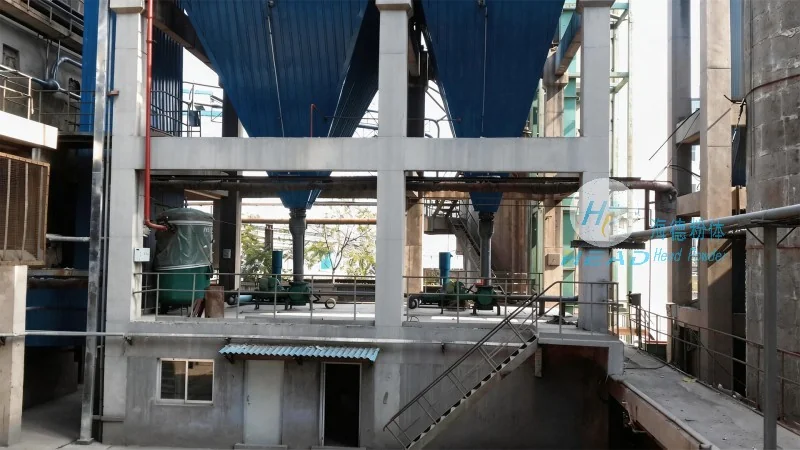
Third, the efficiency of pneumatic conveying in terms of energy consumption and operational costs is a significant advantage. By using air as the conveying medium, the system eliminates the need for mechanical components like conveyors or elevators, which can be prone to wear and maintenance issues. The energy required to operate the fan or blower is generally lower compared to mechanical systems, especially for long-distance transport of iron powder. This translates into lower operational costs and increased overall system efficiency.
Fourth, the ability to handle a wide range of iron powder properties is another key characteristic. Pneumatic conveying systems can accommodate various particle sizes, shapes, and moisture levels, making them versatile for different applications. For example, fine iron powder with high surface area may require specific air velocities and pipeline designs to prevent clogging, while coarser iron powder might be more easily conveyed with higher solids concentrations. The system's adaptability allows for customization to meet the unique requirements of each iron powder product.
Applications and Benefits in Industrial Settings
The working principle and characteristics of pneumatic conveying for iron powder make it an ideal solution for various industrial applications. In the manufacturing of iron powder-based products, such as magnetic materials or pigments, the need for precise and clean material handling is critical. Pneumatic conveying ensures that the iron powder is transported without degradation, maintaining its quality and performance. In the chemical industry, where iron powder may be used as a catalyst or raw material, the system's ability to minimize contamination and maintain product purity is essential for consistent process outcomes.
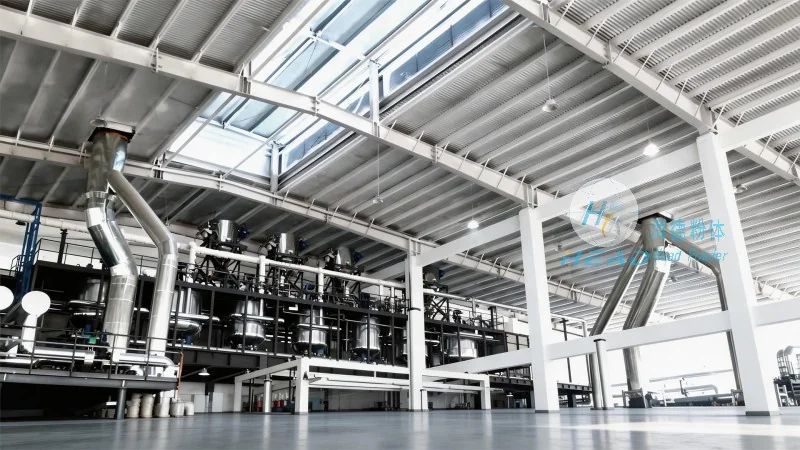
Furthermore, the flexibility of pneumatic conveying systems allows for integration into existing production lines without major modifications. This reduces downtime and installation costs, making it a cost-effective solution for industries looking to upgrade their material handling capabilities. The system's ability to handle both small and large volumes of iron powder also makes it suitable for batch processing or continuous production, providing versatility in manufacturing operations.
Conclusion
In summary, pneumatic conveying for iron powder materials operates by utilizing air to transport particles through a pipeline, with distinct dilute-phase and dense-phase configurations offering different advantages. The key characteristics of this technology, including flexibility, cleanliness, efficiency, and adaptability, make it a preferred choice for industrial applications. As a company specializing in material handling solutions, Shandong HeadPowder Engineering Co., Ltd. leverages these principles to provide customized pneumatic conveying systems that meet the specific needs of clients, ensuring reliable and effective material transport for iron powder and other fine powders.