

Working Principle and Characteristics of Pneumatic Conveying for Wood Dust Materials
Wood dust materials are widely utilized across various industrial sectors, and efficient material handling is essential for maintaining production efficiency. Pneumatic conveying has emerged as a versatile and effective method for transporting wood dust, offering a non-contact solution that minimizes contamination and wear. The fundamental working principle of this system involves the utilization of compressed air to move the material through a pipeline. The process begins with the wood dust being fed into a hopper or feeder, where it is then drawn into the conveying line by the air flow generated by a blower or compressor. The compressed air creates a pressure differential that propels the dust particles forward, ensuring smooth and continuous transport. This method eliminates the need for mechanical components in direct contact with the material, reducing the risk of contamination and wear. The velocity and pressure of the air are meticulously controlled to optimize conveying performance, with considerations for the specific properties of wood dust such as density, moisture content, and particle size. By understanding these core mechanics, operators can fine-tune the system to meet the demands of different wood dust applications, enhancing overall operational efficiency.
Key Characteristics of Pneumatic Conveying Systems for Wood Dust
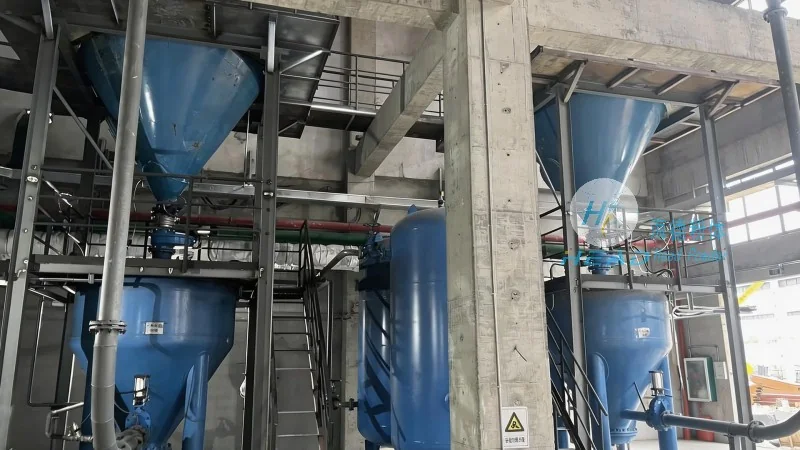
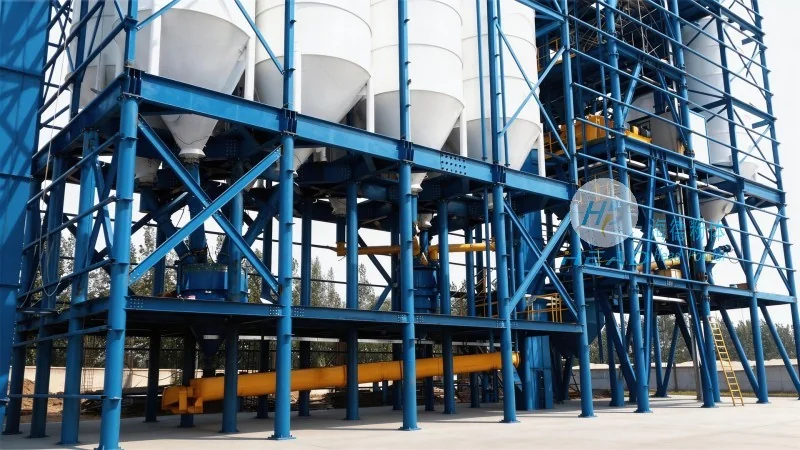
When evaluating pneumatic conveying systems for wood dust materials, several distinct characteristics stand out as significant advantages. First, the system provides exceptional flexibility in terms of layout and installation. Unlike traditional mechanical conveyors, pneumatic systems can be easily reconfigured to accommodate changes in production processes or facility layouts, making them ideal for dynamic industrial environments. Second, the conveying process is inherently clean and hygienic, which is critical for applications where contamination control is paramount. The absence of moving parts in direct contact with the material reduces the risk of dust accumulation and cross-contamination, making it suitable for industries like food processing or pharmaceuticals where wood dust is used as an ingredient or filler. Third, the system excels in dust collection and control. The enclosed pipeline design effectively contains dust emissions, minimizing environmental impact and ensuring compliance with regulatory standards. Integration with dust collection equipment, such as cyclones or baghouses, further enhances air quality and reduces particulate emissions. Fourth, pneumatic conveying systems offer high energy efficiency. Modern designs utilize advanced blower technology and optimized air flow to minimize energy consumption while maintaining effective material transport. This not only reduces operational costs but also contributes to more sustainable industrial operations. By considering these characteristics, businesses can select the most appropriate pneumatic conveying solution for their wood dust handling needs, ensuring both performance and compliance.
Application-Specific Considerations for Wood Dust Pneumatic Conveying
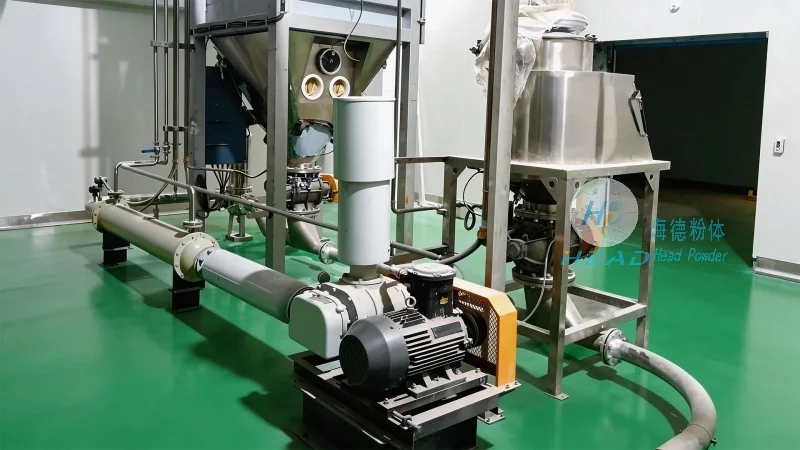
The successful implementation of pneumatic conveying for wood dust requires careful consideration of application-specific factors. The first consideration is the particle size and density of the wood dust. Smaller particles may necessitate higher air velocities to maintain suspension, while larger particles may require more robust air flow to prevent blockages. The moisture content of the wood dust also plays a crucial role, as higher moisture levels can affect flowability and increase clogging risks. For instance, wet wood dust may require additional drying steps before conveying to ensure smooth operation. Another critical factor is the system's capacity and throughput requirements. Different industrial processes have varying material handling demands, and the pneumatic system must be sized to meet these needs without overloading the air compressor or the conveying line. This involves calculating the required air volume and pressure based on the material's properties and the desired conveying distance. Furthermore, the system's layout and the presence of bends or vertical sections can impact efficiency. Proper pipeline design, including the use of appropriate fittings and avoidance of sharp turns, helps maintain consistent air flow and prevent pressure losses. By addressing these application-specific considerations, companies can ensure their pneumatic conveying system operates reliably and efficiently, meeting the unique demands of their wood dust handling operations.
Benefits of Choosing a Professional Pneumatic Conveying Solution Provider
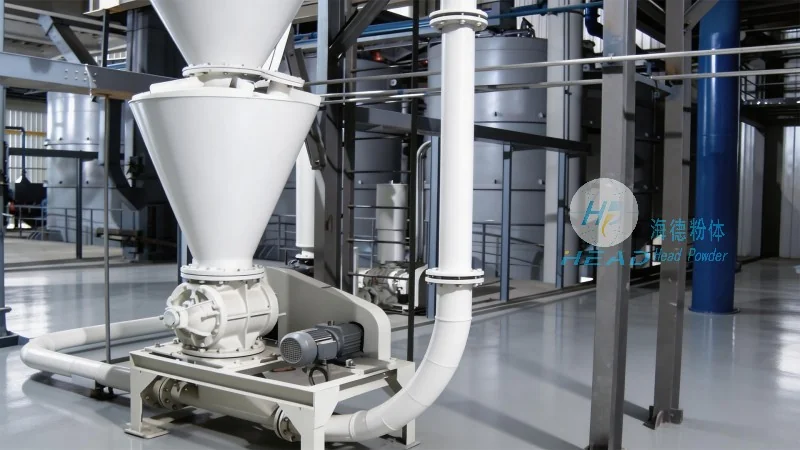
For businesses seeking to implement or upgrade pneumatic conveying systems for wood dust materials, partnering with a professional provider like Shandong HeadPowder Engineering Co., Ltd. offers substantial advantages. As a leading manufacturer in the field, HeadPowder specializes in designing and manufacturing customized pneumatic conveying solutions tailored to client-specific needs. The company's expertise in material handling and industrial applications ensures systems are optimized for performance, reliability, and longevity. One key benefit is their commitment to quality and innovation. They employ advanced engineering techniques and high-quality components, such as stainless steel or corrosion-resistant alloys, to withstand the abrasive nature of wood dust and potential moisture exposure. Additionally, HeadPowder provides comprehensive support services, including system design, installation, and maintenance. Their team of experienced engineers collaborates closely with clients to understand operational requirements and develop customized solutions addressing unique challenges. The company also offers technical training and ongoing support to ensure effective system operation and maintenance. By choosing a professional provider like HeadPowder, businesses can benefit from a reliable and efficient pneumatic conveying system that enhances production capabilities while reducing operational costs and environmental impact.