

Working Principle and Characteristics of Pneumatic Conveying for Magnesium Silicate Materials
HeadPowder, a leading provider in material handling solutions, specializes in the efficient and reliable pneumatic conveying of magnesium silicate materials. This article delves into the fundamental working principles and key characteristics of such systems, offering insights into their operational efficiency and practical applications.
Understanding the Working Principle of Magnesium Silicate Pneumatic Conveying
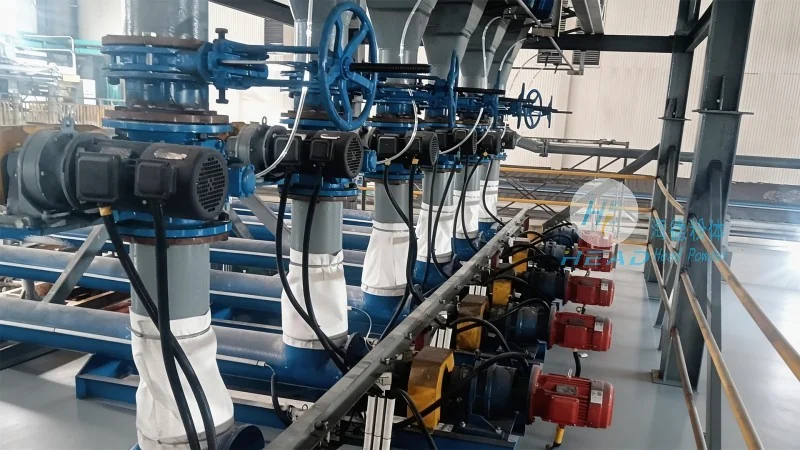
Magnesium silicate, a common industrial material, is often transported using pneumatic conveying systems due to its unique physical properties. The core working principle involves the use of air or gas to move the material through a pipeline. In a typical setup, a blower or compressor generates a high-pressure air stream that draws the material into the conveying line. The material is then suspended in the air stream and transported to the destination point. This process eliminates the need for mechanical components like belts or buckets, reducing maintenance and operational costs. The system typically includes a hopper for material storage, a feeder to control the flow rate, a conveying line, and a receiver for the discharged material. The air flow is carefully managed to ensure the material is fully suspended, preventing blockages and ensuring consistent transport. The working principle is based on the principle of fluidization, where the material particles are kept in motion by the air stream, allowing for smooth and continuous transfer.
Key Characteristics of Magnesium Silicate Pneumatic Conveying Systems
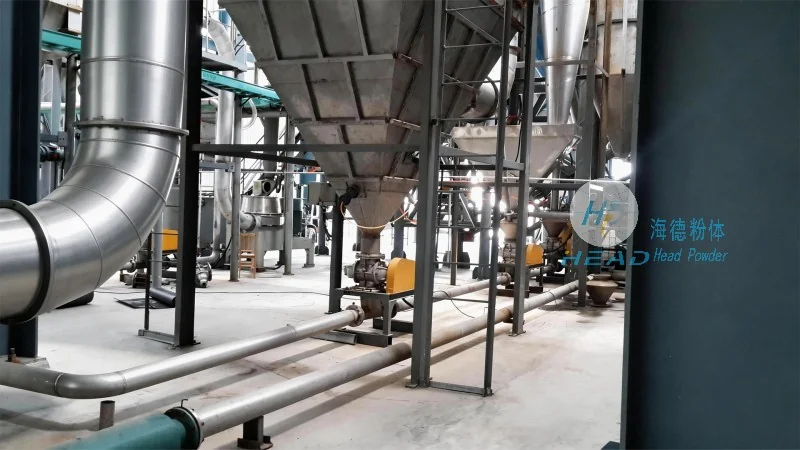
Several distinct characteristics define the performance and advantages of pneumatic conveying systems for magnesium silicate materials. Firstly, the system offers high flexibility in terms of layout and installation. It can be configured to handle complex routes, including vertical and horizontal segments, making it suitable for various industrial settings. Secondly, the process is highly efficient in terms of energy consumption. Compared to traditional mechanical conveying methods, pneumatic systems can achieve lower energy costs while maintaining high transport rates. Thirdly, the system provides excellent material handling capabilities, especially for materials that are dusty or have a tendency to agglomerate. The air stream helps to break up clumps and keep the material in a free-flowing state, preventing clogging and ensuring consistent performance. Additionally, the system is hygienic and easy to clean, which is crucial for industries where material purity is essential, such as food processing or pharmaceuticals. The characteristics also include low maintenance requirements, as there are fewer moving parts compared to mechanical systems, reducing downtime and operational expenses. Furthermore, the system can be easily scaled to accommodate varying production volumes, making it adaptable to changing industrial needs. The overall characteristics make pneumatic conveying an ideal solution for the efficient and reliable transport of magnesium silicate materials in various industrial applications.
Applications and Benefits in Industrial Settings
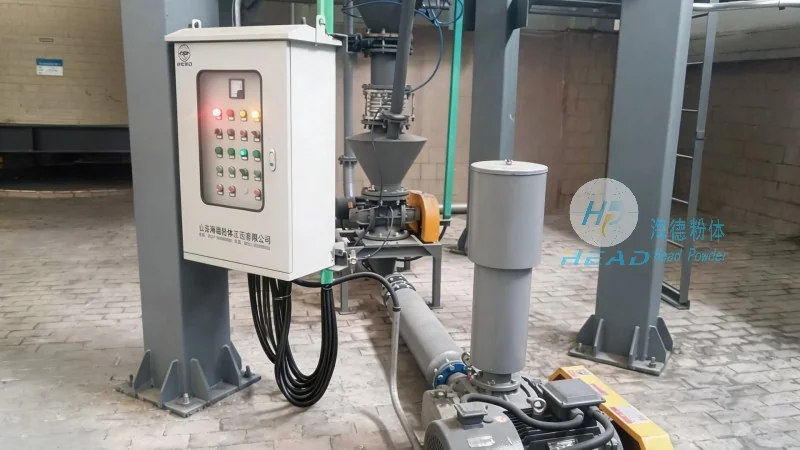
The application of magnesium silicate pneumatic conveying systems spans across multiple industries, including chemical manufacturing, construction materials, and food processing. In chemical plants, these systems are used to transport raw materials and finished products, ensuring a seamless production flow. In the construction industry, they are employed to move raw magnesium silicate for the production of insulation materials or other building components. The benefits in these applications are significant, as the systems enhance productivity, reduce labor costs, and improve safety by eliminating manual handling of materials. The systems also contribute to environmental sustainability by reducing dust emissions and improving air quality in industrial facilities. The adaptability of the system to different material types and production scales makes it a versatile solution for various industrial needs. Overall, the integration of pneumatic conveying technology in handling magnesium silicate materials has revolutionized material transport, offering a reliable and efficient approach to industrial operations.