

Working Principle and Characteristics of Pellet Material Pneumatic Conveying
Pellet material pneumatic conveying, also known as pneumatic conveying of granular materials, is a method of transporting bulk materials through a pipeline using air as the conveying medium. The core of this technology lies in the interaction between the material particles and the air flow within the pipeline. The process typically involves a series of steps: first, the material is fed into the conveying system, often through a hopper or feeder. Then, a fan or blower generates a high-velocity air stream that draws the material particles into the pipeline. As the air flows, it carries the particles along, maintaining a stable flow rate and preventing clogging. The conveying system may include components such as a filter, a silencer, and a discharge valve to control the flow and ensure efficient material transfer. The working principle is based on the principle of fluidization and the kinetic energy of the air stream, which allows for the movement of the material from the source to the destination without the need for mechanical components like belts or buckets.
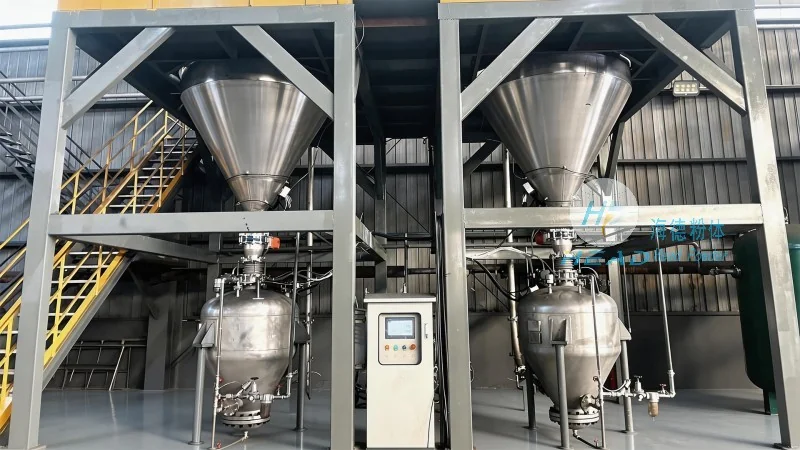
Key Characteristics of Pellet Material Pneumatic Conveying
The pneumatic conveying of pellet materials exhibits several distinct characteristics that make it suitable for various industrial applications. One of the primary advantages is its ability to handle a wide range of material types, including fine powders, granules, and even bulk materials. This versatility is achieved through the use of different conveying systems, such as pressure or vacuum systems, which can be adjusted to suit the specific properties of the material. Another key characteristic is the system's compactness and flexibility. Unlike traditional mechanical conveying systems, pneumatic conveying can be easily integrated into existing facilities and can be configured to follow complex routes, making it ideal for plants with limited space or irregular layouts. Additionally, this method offers high efficiency in terms of material transfer speed and minimal material degradation. The air flow can be controlled to prevent abrasion or agglomeration of the pellets, ensuring that the material remains in its original state throughout the conveying process. Furthermore, the system is relatively low in maintenance compared to mechanical systems, as it has fewer moving parts and is less prone to wear and tear. However, it is important to note that the energy consumption of pneumatic conveying can be higher than that of mechanical systems, especially for long-distance or high-volume applications. Despite this, the benefits in terms of flexibility, cleanliness, and material handling efficiency often outweigh the additional energy costs.
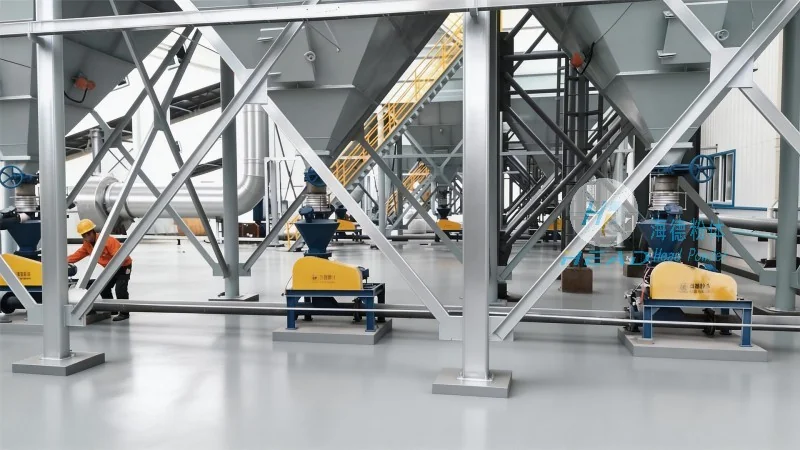
Applications and Benefits in Industrial Settings
Pellet material pneumatic conveying is widely used in various industries, including chemical, pharmaceutical, food processing, and mining. In the chemical industry, it is commonly employed for transporting powders and granules, such as fertilizers, pigments, and catalysts. The system's ability to handle fine powders without clogging is particularly valuable in these applications. In the pharmaceutical sector, the clean and hygienic nature of pneumatic conveying is essential for maintaining product quality and compliance with regulatory standards. The system can be designed to meet strict sanitary requirements, ensuring that the material remains free from contamination. Similarly, in the food processing industry, the system is used for conveying ingredients like flour, sugar, and spices, where maintaining product integrity and preventing cross-contamination is critical. The mining industry also benefits from this technology, as it allows for the efficient transport of ore and other bulk materials from processing plants to storage or processing facilities. The benefits of pneumatic conveying in these applications include improved safety, reduced labor costs, and enhanced operational efficiency. For example, in a chemical plant, pneumatic conveying can reduce the need for manual handling of hazardous materials, thereby improving workplace safety. In a food processing facility, it can minimize the risk of product contamination and ensure consistent quality. Overall, the use of pellet material pneumatic conveying in industrial settings provides significant advantages in terms of operational efficiency, safety, and product quality.
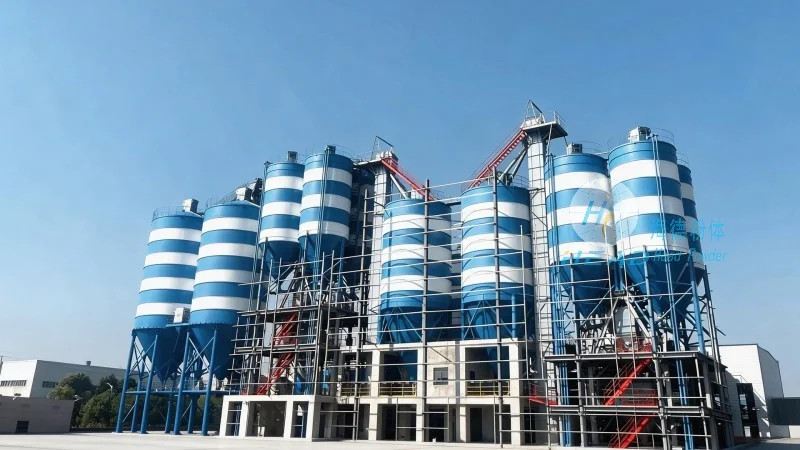
Company Overview: Shandong HeadPowder Engineering Co., Ltd.
Shandong HeadPowder Engineering Co., Ltd., commonly known as HeadPowder, is a leading manufacturer and supplier of pneumatic conveying systems and related equipment. With a strong focus on innovation and quality, the company has established itself as a trusted partner in the material handling industry. HeadPowder specializes in the design, manufacturing, and installation of customized pneumatic conveying solutions tailored to the specific needs of its clients. The company's products are known for their durability, efficiency, and reliability, meeting the demanding requirements of various industrial applications. HeadPowder's team of experienced engineers and technicians work closely with clients to understand their unique material handling challenges and develop tailored solutions that optimize performance and reduce operational costs. The company's commitment to customer satisfaction and technical excellence has earned it a reputation for delivering high-quality products and services. HeadPowder's facilities are equipped with advanced manufacturing equipment and stringent quality control processes to ensure that every product meets the highest standards. The company also provides comprehensive after-sales support, including maintenance, repair, and technical assistance, to ensure that its clients' systems operate at peak performance. With a strong presence in the domestic market and growing international recognition, HeadPowder continues to be a key player in the pneumatic conveying industry, providing reliable and efficient solutions for the transportation of bulk materials.