

Working Principle and Characteristics of Pneumatic Conveying for Manganese Sulfate Materials
HeadPowder, a leading provider in the field of material handling solutions, specializes in the design and implementation of pneumatic conveying systems tailored for various industrial applications. This article focuses on the working principle and key characteristics of pneumatic conveying for manganese sulfate materials, a critical component in multiple industrial processes.
Understanding Pneumatic Conveying Systems
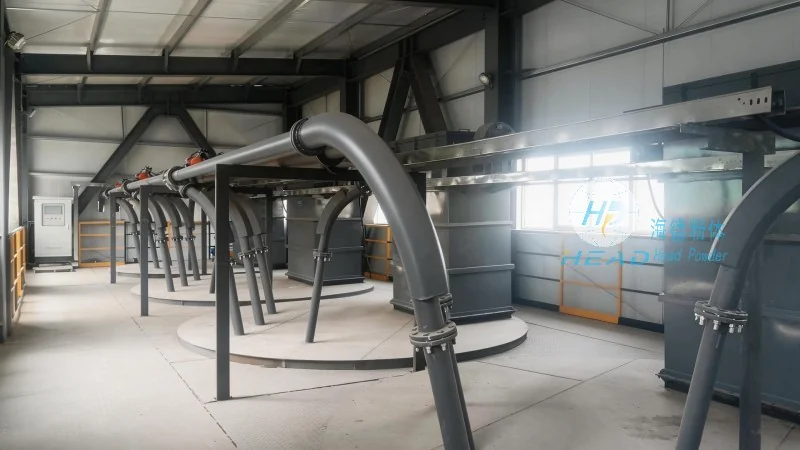
Pneumatic conveying is a method of transporting bulk materials through a pipeline using a gas stream, typically air or other gases. The process involves several key components, including a material feed system, a conveying line, and a receiver or discharge point. For manganese sulfate, which is often in powder or granular form, the system must be designed to handle the specific physical and chemical properties of the material, such as its density, flowability, and potential moisture content.
The Working Principle of Manganese Sulfate Pneumatic Conveying
The core of pneumatic conveying for manganese sulfate operates on the principle of creating a pressure differential within the conveying line. There are two primary types of pneumatic conveying systems: pressure and vacuum. In pressure systems, compressed air is introduced at the material feed point, generating a high-pressure environment that propels the material through the pipeline. The material is typically mixed with the air stream in a hopper or feeder, where it is then accelerated and transported to the destination. Vacuum systems, on the other hand, use a vacuum pump to create a low-pressure environment at the receiver, drawing the material from the source through the pipeline. Both systems rely on the interaction between the air flow and the material particles to ensure efficient transport.
Key Characteristics of Manganese Sulfate Pneumatic Conveying
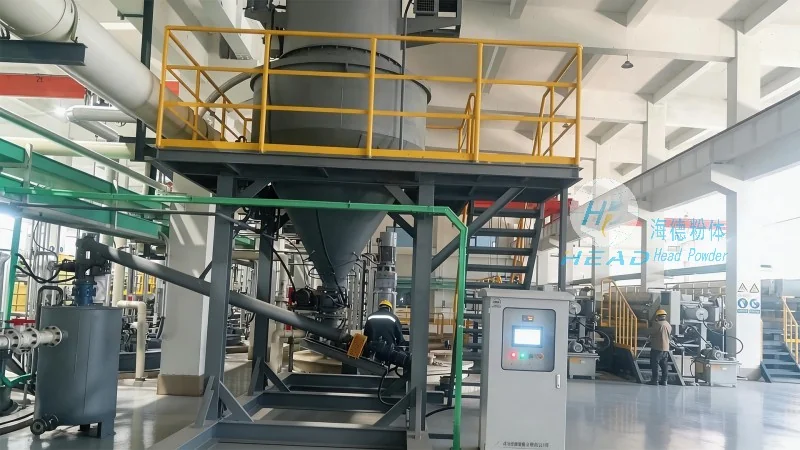
Several distinct characteristics define the performance of pneumatic conveying systems for manganese sulfate. First, the system's efficiency is highly dependent on the material's flowability and particle size distribution. Manganese sulfate, being a fine powder, can be prone to bridging or caking in hoppers, which may affect the feeding rate and overall system performance. Therefore, the design of the feed system, including the use of agitators or vibrators, is crucial to maintain consistent material flow. Second, the system must be capable of handling varying moisture levels in the material, as moisture can lead to blockages or increased friction within the pipeline. Proper drying and moisture control measures are essential to ensure smooth operation. Third, the conveying velocity and pressure drop are critical parameters that determine the system's capacity and energy consumption. Optimizing these parameters is vital to achieve high throughput while minimizing energy costs. Additionally, the material's chemical properties, such as its reactivity with air or other gases, may require specialized materials for the conveying line to prevent corrosion or degradation.
Advantages of Pneumatic Conveying for Manganese Sulfate
Pneumatic conveying offers several advantages over traditional mechanical conveying methods for manganese sulfate. One of the primary benefits is the ability to transport materials over long distances without the need for multiple transfer points or intermediate storage. This reduces the risk of material contamination and improves process continuity. Additionally, pneumatic systems can handle materials with varying properties, such as different particle sizes or moisture levels, making them versatile for diverse industrial applications. The enclosed pipeline design also minimizes dust emissions, enhancing workplace safety and compliance with environmental regulations. Furthermore, the system's flexibility allows for easy integration with other process equipment, such as reactors or mixers, streamlining the overall production workflow.
Considerations for System Design and Installation
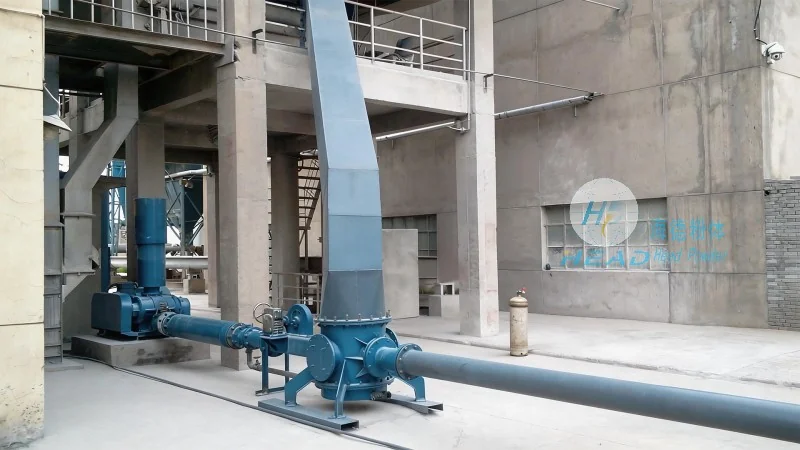
When designing a pneumatic conveying system for manganese sulfate, several factors must be carefully considered to ensure optimal performance and longevity. The first consideration is the material's physical properties, including its density, flowability, and particle size. These parameters influence the selection of the conveying velocity and pressure drop, which are critical for achieving the desired throughput. The second factor is the system's layout and distance requirements. The length and complexity of the pipeline will affect the energy consumption and the need for additional components, such as pulse jets or rotary valves. The third consideration is the environmental conditions, including temperature and humidity, which may impact the material's behavior and the system's components. Proper insulation and moisture control measures are essential to maintain the material's quality and prevent equipment corrosion. Finally, the system's maintenance and operational requirements must be taken into account. Regular cleaning and inspection of the pipeline and components are necessary to prevent blockages and ensure long-term reliability.
Conclusion
HeadPowder Engineering Co., Ltd., based in Shandong, China, provides comprehensive solutions for pneumatic conveying systems tailored to the specific needs of manganese sulfate applications. By understanding the working principle and key characteristics of these systems, industries can optimize their material handling processes, improve efficiency, and reduce operational costs. The expertise and experience of HeadPowder in designing and implementing such systems ensure that clients receive reliable and effective solutions that meet their unique requirements. As a leading provider in the field, HeadPowder continues to advance the technology and application of pneumatic conveying for various industrial materials, including manganese sulfate.