

Working Principle and Characteristics of Limestone Material Pneumatic Conveying
HeadPowder, a leading engineering company based in Shandong, China, specializes in the design and implementation of pneumatic conveying systems for various industrial applications. This article explores the working principle and key characteristics of pneumatic conveying systems specifically for limestone material, a common raw material in many industrial processes.
Understanding the Working Principle of Limestone Pneumatic Conveying
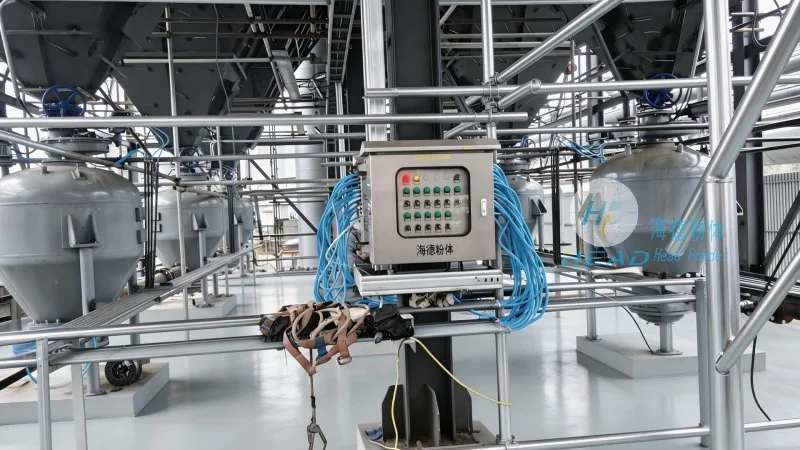
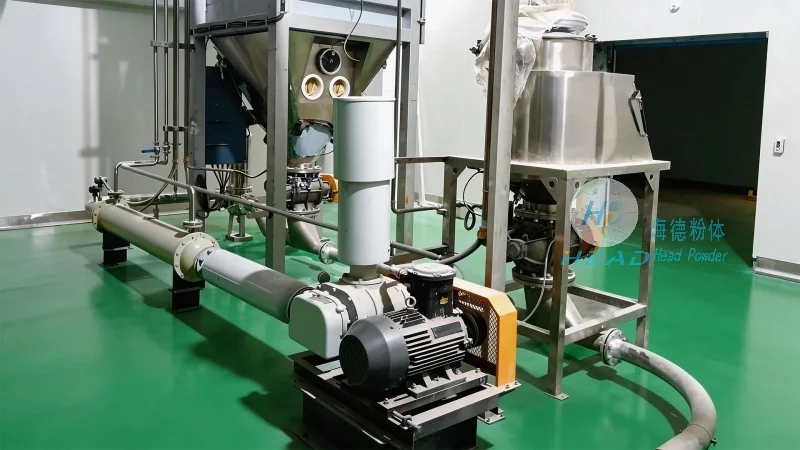
Pneumatic conveying, also known as air conveying, is a method of transporting bulk materials like limestone through a pipeline using a stream of air. The process typically involves a series of components that work together to move the material from the source to the destination. The core components include a material hopper, a feeder, a conveying line, a separator, and a receiver. The material is first loaded into the hopper, where it is then fed into the conveying line by the feeder. The feeder ensures a consistent flow of material into the pipeline. As the material enters the conveying line, a high-velocity air stream is introduced, which lifts and transports the limestone particles through the pipeline. The air stream is generated by a blower or a fan, which provides the necessary pressure and velocity to move the material. The conveying line is usually made of metal or plastic, depending on the material being conveyed and the operating conditions. The separator is used to separate the material from the air stream at the end of the conveying line. The separated material is collected in the receiver, while the air is either filtered and recirculated or discharged to the atmosphere. The working principle of limestone pneumatic conveying is based on the principle of fluidization, where the material is suspended in the air stream and transported as a slurry. The velocity of the air stream is critical to the success of the conveying process. If the velocity is too low, the material will settle and block the pipeline. If the velocity is too high, the material will be damaged or the system will be inefficient. The optimal velocity for limestone pneumatic conveying is typically between 20 and 30 meters per second, depending on the particle size and density of the material.
Key Characteristics of Limestone Pneumatic Conveying Systems
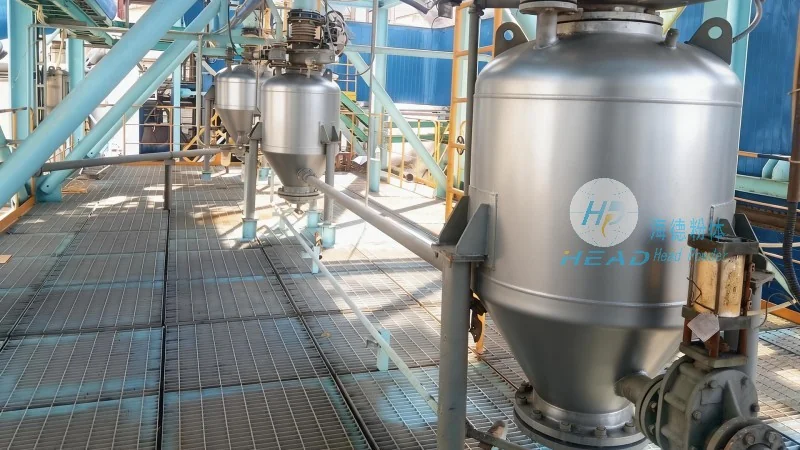
Limestone pneumatic conveying systems have several key characteristics that make them suitable for industrial applications. One of the main advantages is their ability to transport material over long distances without the need for intermediate storage or handling. This reduces the risk of material contamination and loss, and also improves the overall efficiency of the process. Another key characteristic is their flexibility in terms of layout and design. The systems can be customized to fit the specific requirements of the industrial facility, including the distance to be covered, the height of the conveying line, and the number of branches or turns. This flexibility allows for the integration of the system into existing infrastructure or new construction projects. The systems also offer high capacity and reliability. They can handle large volumes of limestone material, and the components are designed to withstand the harsh conditions of industrial environments. The systems are also relatively low maintenance, as they have fewer moving parts compared to other material handling systems. However, the maintenance of the air filtration system is important to ensure the longevity of the equipment. The systems are also energy-efficient, as they use less energy compared to other material handling methods such as belt conveyors or bucket elevators. The energy consumption of a limestone pneumatic conveying system is typically between 0.5 and 1.5 kilowatt-hours per ton of material, depending on the system design and operating conditions. Another important characteristic is the ability to handle different types of limestone materials. The systems can be designed to handle limestone with different particle sizes, moisture content, and density. This makes them suitable for a wide range of industrial applications, including cement production, power generation, and chemical processing. The systems can also handle limestone that is mixed with other materials, such as clay or sand. The ability to handle mixed materials is particularly important in cement production, where limestone is often mixed with other raw materials like clay and iron ore.
Applications and Benefits of Limestone Pneumatic Conveying
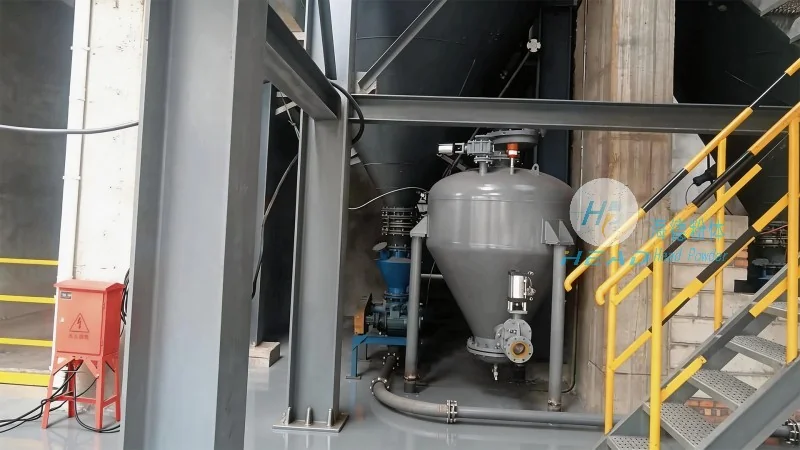
Limestone pneumatic conveying systems are widely used in various industrial sectors due to their efficiency and versatility. In the cement industry, for example, limestone is a primary raw material used to produce cement. The pneumatic conveying system is used to transport limestone from the storage silo to the cement mill, where it is ground into a fine powder. The system is also used to transport limestone from the quarry to the cement plant, reducing the need for road transport and minimizing the environmental impact. In the power generation industry, limestone is used as a desulfurization agent to reduce the sulfur dioxide emissions from coal-fired power plants. The pneumatic conveying system is used to transport limestone from the storage area to the desulfurization tower, where it is mixed with water to form a slurry. The slurry is then sprayed into the flue gas to neutralize the sulfur dioxide. The system is also used to transport limestone from the quarry to the power plant, improving the efficiency of the desulfurization process. The benefits of limestone pneumatic conveying systems extend beyond the industrial sectors mentioned above. They are also used in the chemical industry to transport limestone for the production of calcium carbonate, and in the food industry to transport limestone for the production of calcium supplements. The systems are also used in the mining industry to transport limestone from the mine to the processing plant. The benefits of using limestone pneumatic conveying systems include reduced labor costs, improved safety, and increased productivity. The systems are automated, which reduces the need for manual labor and minimizes the risk of accidents. The systems also improve the overall productivity of the industrial facility by reducing the time required for material handling and increasing the throughput of the process. In conclusion, limestone pneumatic conveying systems are an efficient and reliable method of transporting limestone material in industrial applications. The working principle of the system involves the use of a high-velocity air stream to transport the material through a pipeline, while the key characteristics include flexibility, high capacity, and energy efficiency. The systems are widely used in various industrial sectors, including cement production, power generation, and chemical processing, due to their ability to handle different types of limestone materials and their benefits in terms of efficiency and safety.