

Working Principle and Characteristics of Silica Sand Material Pneumatic Conveying
For industries dealing with silica sand, efficient material handling is crucial for maintaining productivity and operational safety. Pneumatic conveying systems have emerged as a reliable solution, offering a dust-free and flexible method to transport silica sand from one location to another. This article explores the working principle and key characteristics of silica sand pneumatic conveying, providing insights into how these systems operate and their advantages in industrial applications.
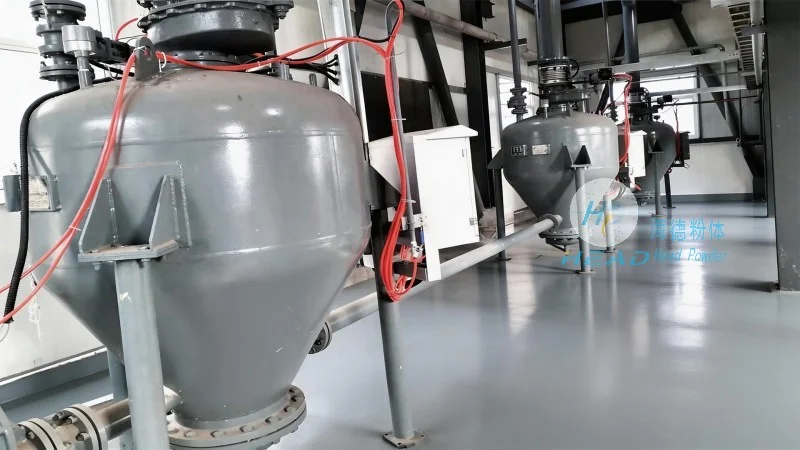
Introduction to Silica Sand Pneumatic Conveying Systems
Silica sand, a primary raw material in construction, glass manufacturing, and foundry industries, requires specialized handling due to its abrasive nature and dust generation potential. Traditional methods like belt conveyors or bucket elevators may pose challenges such as material degradation, high maintenance, and environmental concerns. Pneumatic conveying systems address these issues by utilizing air pressure to transport silica sand through pipelines, offering a clean and efficient alternative. These systems are particularly suitable for long-distance or complex layouts where traditional equipment might be impractical.
Working Principle of Silica Sand Pneumatic Conveying
The operation of silica sand pneumatic conveying systems can be categorized into two main types: suction (or vacuum) systems and pressure systems. Both rely on the fundamental principle of using air to move solid particles. In suction systems, a vacuum pump creates a negative pressure in the conveying line, drawing silica sand from the source (e.g., a hopper or storage silo) into the pipeline. The air and sand mixture is then transported to the destination, where a separator (like a cyclone or filter) separates the sand from the air, allowing the sand to be discharged and the air to be recirculated or vented. Pressure systems, on the other hand, use a positive pressure generated by a blower or compressor to push the sand through the pipeline. The sand is fed into the system from a hopper, mixed with air, and propelled to the discharge point. The choice between suction and pressure systems depends on factors such as the distance of transport, the height difference, and the required flow rate.
Key Characteristics of Silica Sand Pneumatic Conveying
Several distinct characteristics make pneumatic conveying an attractive option for silica sand handling:
1. Efficiency and Speed: Pneumatic systems can transport silica sand at high velocities, reducing overall handling time compared to traditional methods. This efficiency is especially beneficial in high-demand production environments where rapid material movement is critical.
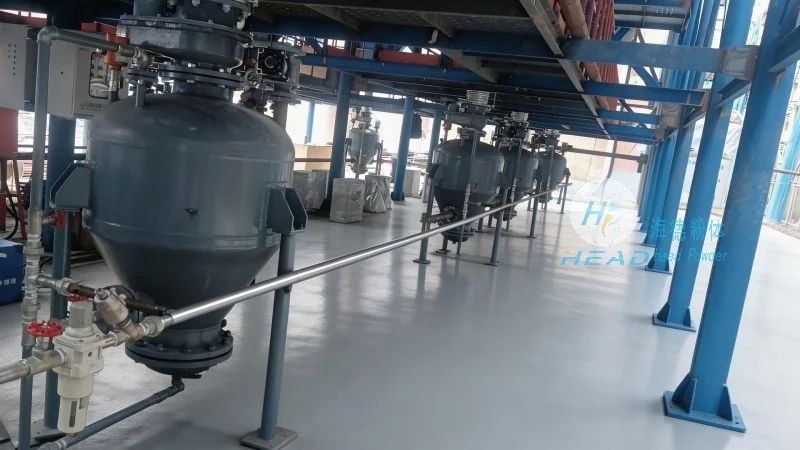
2. Dust Control: Unlike mechanical conveyors, pneumatic systems enclose the material in a sealed pipeline, minimizing dust emissions and improving workplace safety. This is particularly important for silica sand, which can generate fine particles that are hazardous if inhaled.
3. Flexibility in Layout: Pneumatic conveying allows for complex and flexible system designs, including vertical and horizontal transport, as well as changes in direction. This adaptability is advantageous in facilities with limited space or irregular layouts.
4. Low Maintenance: With fewer moving parts compared to mechanical conveyors, pneumatic systems require less frequent maintenance, leading to lower operational costs over time. The absence of belts, chains, or buckets reduces the risk of wear and tear, extending the system's lifespan.
5. Environmental Compliance: By containing dust and preventing material spillage, pneumatic conveying systems help companies meet environmental regulations and maintain a clean working environment. This is increasingly important as industries strive for sustainability and reduced ecological impact.
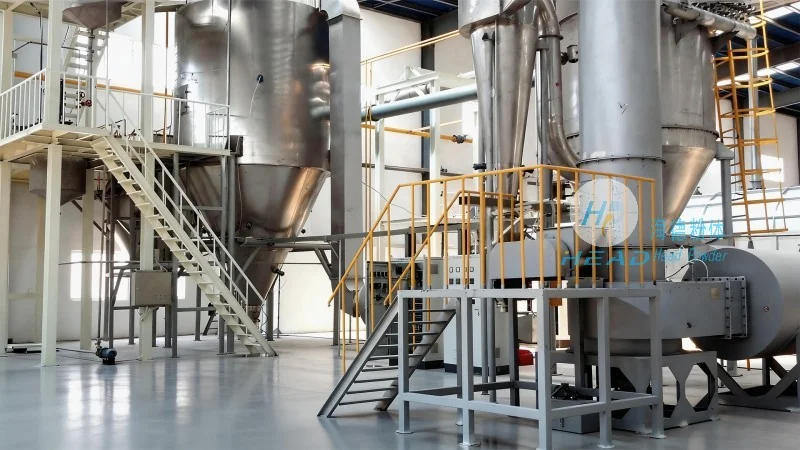
Application Examples in Industrial Sectors
Silica sand pneumatic conveying systems are widely used across various industries, including:
1. Construction Materials: In the production of concrete and mortar, silica sand is transported from storage silos to mixing plants using pneumatic systems. This ensures a consistent and dust-free supply of raw material, enhancing the quality of the final product.
2. Glass Manufacturing: The glass industry relies on high-purity silica sand for glass production. Pneumatic conveying systems are used to transport sand from raw material storage to the glass melting furnace, maintaining the purity and preventing contamination.
3. Foundry and Casting: In metal casting processes, silica sand is used as a mold material. Pneumatic conveying allows for the efficient delivery of sand to molding machines, improving the consistency and quality of the molds.
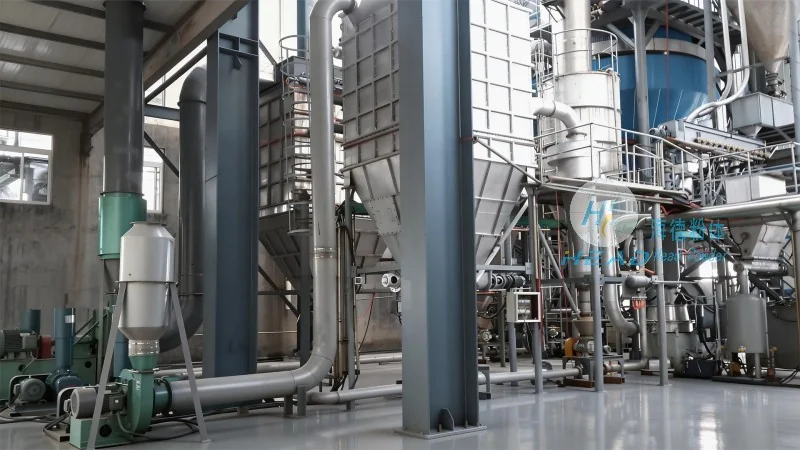
4. Chemical and Pharmaceutical: While less common, some chemical processes use silica sand as an inert filler. Pneumatic systems help in transporting this material safely and without contamination in these industries.
Role of Shandong HeadPowder Engineering Co., Ltd. in Silica Sand Pneumatic Conveying
Shandong HeadPowder Engineering Co., Ltd., operating under the brand name HeadPowder, is a leading provider of advanced material handling solutions. With a focus on pneumatic conveying systems, HeadPowder specializes in designing, manufacturing, and installing customized systems for silica sand applications. The company leverages years of industry experience to develop systems that are tailored to the specific needs of each client, ensuring optimal performance and reliability.
HeadPowder's expertise lies in understanding the unique challenges of silica sand handling, such as its abrasive nature and the need for dust control. By incorporating high-quality components, such as durable pipelines, efficient air separators, and advanced control systems, HeadPowder ensures that its pneumatic conveying solutions meet the highest standards of efficiency and safety. The company's commitment to innovation and customer satisfaction has made it a trusted partner for businesses seeking reliable material handling solutions in the silica sand industry.
Whether for new installations or system upgrades, HeadPowder offers comprehensive services, including system design, installation, and maintenance support. By choosing HeadPowder, industries can benefit from advanced pneumatic conveying technology that enhances productivity, reduces operational costs, and ensures compliance with environmental regulations. With a strong presence in China and a global reach, HeadPowder continues to be at the forefront of material handling solutions for silica sand and other bulk materials.