

The Working Principle and Features of Rotary Lobe Blower Material Pneumatic Conveying
Rotary lobe blowers are widely utilized in material pneumatic conveying systems due to their efficiency and reliability. This article provides an in-depth examination of the working principle and key characteristics of this technology, with a focus on its applications in industrial environments.
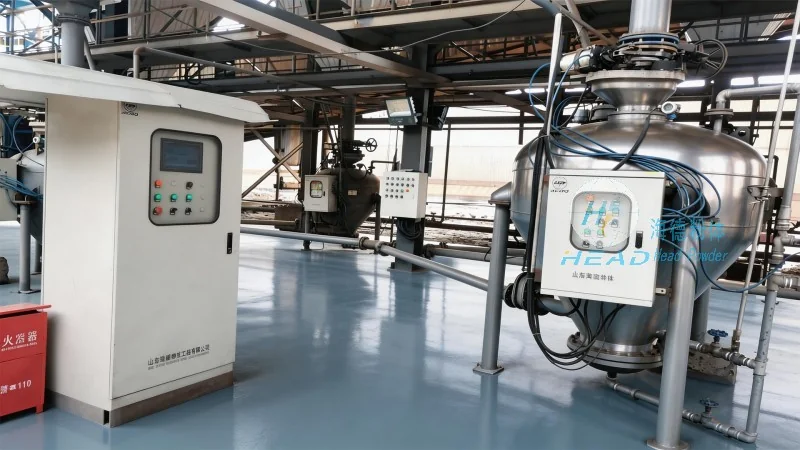
Understanding the Working Principle of Rotary Lobe Blower Material Pneumatic Conveying
The fundamental operation of rotary lobe blower material pneumatic conveying centers on the blower's mechanism. These devices consist of two interlocking lobed rotors that rotate within a casing. As the rotors turn, they create a series of sealed pockets that trap air and material particles. The movement of these pockets from the intake to the discharge end generates the necessary pressure to transport the material through the system.
When activated, the lobes move in opposite directions, creating a vacuum at the intake and a pressure at the discharge. This pressure differential drives the material forward. The design of the lobes and casing ensures material is conveyed without degradation or mixing with the air, which is critical for delicate or abrasive substances.
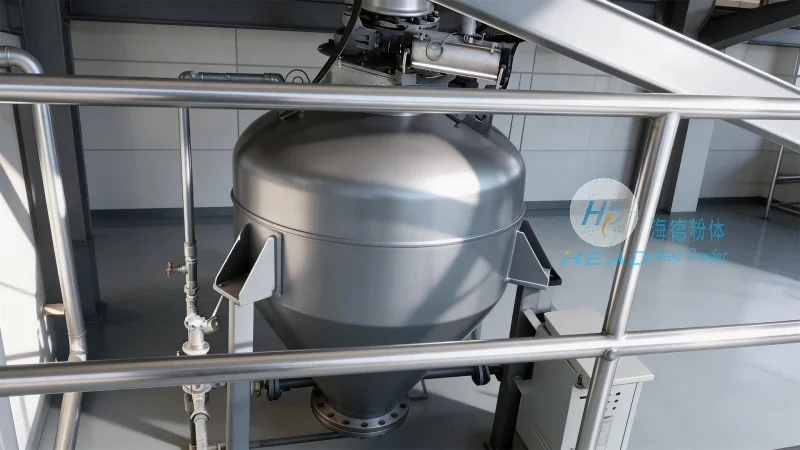
Key Features of Rotary Lobe Blower Material Pneumatic Conveying
Rotary lobe blowers offer several advantages that make them suitable for material handling. One major feature is their versatility in handling a wide range of materials—from powders and granules to bulk solids. This adaptability is achieved through adjustable speed and pressure settings, allowing customization for different material types and system requirements.
Another significant feature is high efficiency and energy savings. Unlike positive displacement blowers with valves and seals, rotary lobe blowers operate with minimal moving parts, reducing wear and maintenance costs. This leads to lower long-term operational expenses.
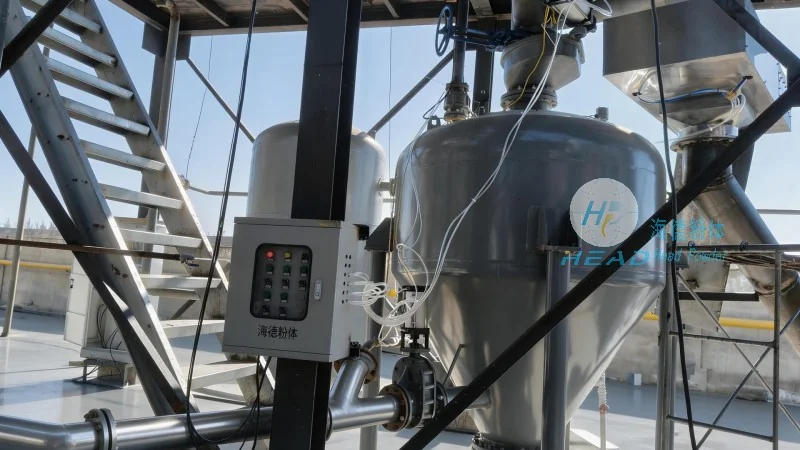
The system also provides precise control over material flow. By adjusting blower speed or air volume, users can regulate the transport rate. This is vital in processes requiring consistent material delivery, such as in pharmaceutical or food processing industries.
Applications and Benefits in Industrial Settings
Rotary lobe blowers are employed across various industries, including chemical, pharmaceutical, food processing, and mining. They are used for tasks like transporting raw materials to processing units, moving finished products to packaging lines, and cleaning equipment by conveying dust and debris. The consistent performance ensures smooth production line operation without interruptions.
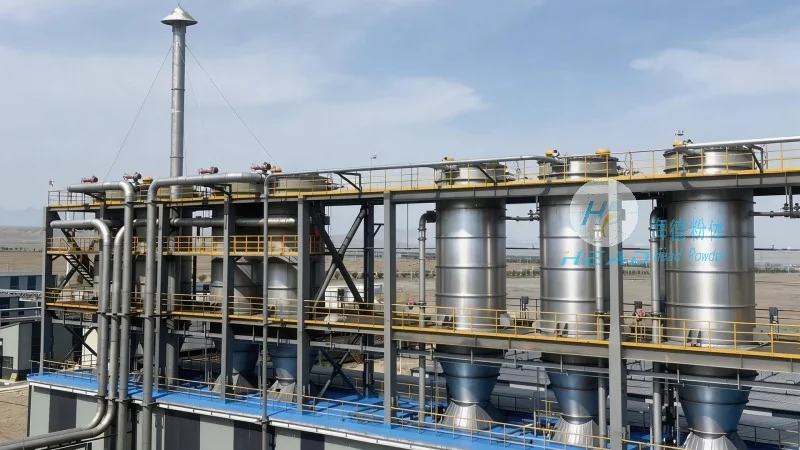
The benefits extend to material preservation. The design minimizes degradation, essential for products needing high purity or specific characteristics. Additionally, the system can handle abrasive materials without significant equipment damage, reducing replacement and downtime needs.
Conclusion and Company Information
Rotary lobe blower material pneumatic conveying is a robust and efficient solution for industrial material handling. Its ability to handle diverse materials, high energy efficiency, and precise control make it a preferred choice in many applications. As a leading provider in this field, Shandong HeadPowder Engineering Co., Ltd. specializes in designing and manufacturing high-quality rotary lobe blowers tailored to client-specific needs. With operations based in Shandong, China, the company leverages advanced technology and engineering expertise to deliver reliable, durable equipment that enhances productivity and reduces operational costs for businesses globally.