

[W]Working Principle and Characteristics of Pneumatic Conveying for Lithium-Ion Battery Positive and
HeadPowder, a leading enterprise in the field of material handling solutions, specializes in providing advanced pneumatic conveying systems tailored for the lithium-ion battery industry. With a focus on precision and efficiency, the company’s technology is designed to handle the delicate and high-value materials used in the production of battery electrodes. This article explores the working principle and key characteristics of pneumatic conveying systems specifically for lithium-ion battery positive and negative electrode materials, highlighting how such systems enhance operational performance and material integrity.
Pneumatic Conveying Systems: An Overview
Pneumatic conveying, also known as air conveying, is a method of transporting bulk materials through a pipeline using pressurized or vacuum air. In the context of lithium-ion battery manufacturing, this technology is crucial for moving powders and granules of active materials, binders, and conductive additives used in the production of positive and negative electrodes. The systems are engineered to maintain material quality, minimize contamination, and ensure consistent flow rates, which are critical for achieving uniform electrode composition and performance.
The Working Principle of Pneumatic Conveying for Battery Materials
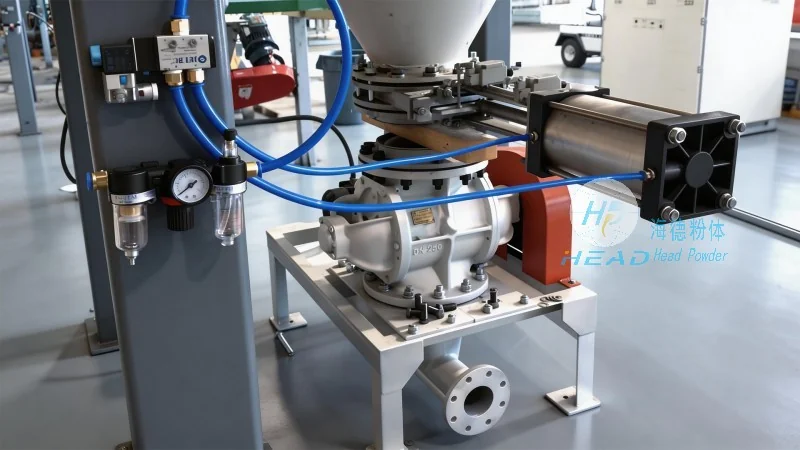
The core mechanism of pneumatic conveying involves the use of air to create a flow that propels the material through a closed pipeline system. There are two primary types of pneumatic conveying: pressure and vacuum systems. For lithium-ion battery electrode materials, pressure systems are commonly employed due to their ability to handle high material loads and maintain stable flow under pressure. The process typically begins with the material being fed into a hopper or feeder, where it is then introduced into the conveying line. Compressed air is then introduced, creating a pressure differential that drives the material forward. The air and material mixture travels through the pipeline, often passing through various components such as bends, filters, and cyclones to separate the material from the air stream before deposition at the destination point.
Key Characteristics of Pneumatic Conveying for Lithium-Ion Battery Materials
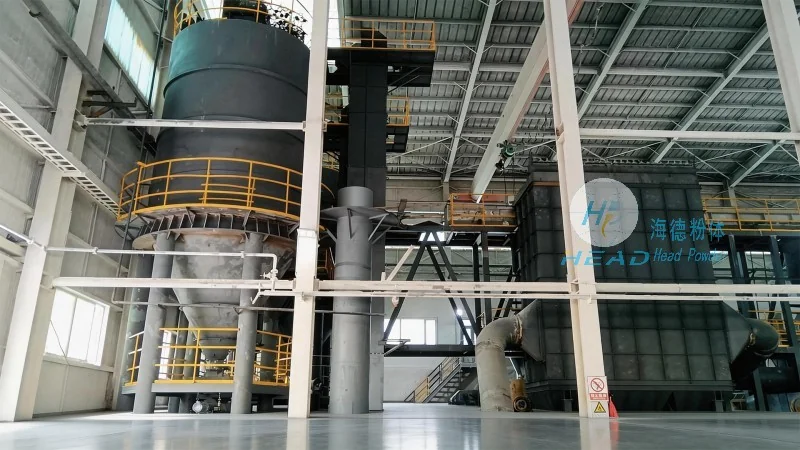
Several distinct characteristics make pneumatic conveying an ideal solution for handling lithium-ion battery electrode materials. Firstly, the system offers excellent material containment, preventing dust and contamination that could affect the quality of the electrodes. This is particularly important for materials like lithium cobalt oxide (LCO) or lithium iron phosphate (LFP), which are sensitive to moisture and impurities. Secondly, pneumatic conveying provides high efficiency in terms of material transport speed and throughput, allowing for rapid and continuous production cycles. The technology also enables precise control over material flow rates, which is essential for maintaining the exact ratios of active materials, binders, and conductive additives in the electrode slurry. Additionally, the systems are designed for minimal material degradation, preserving the particle size and surface properties of the raw materials, which directly impacts the performance of the final battery cells.
Advantages of Pneumatic Conveying in Battery Material Handling
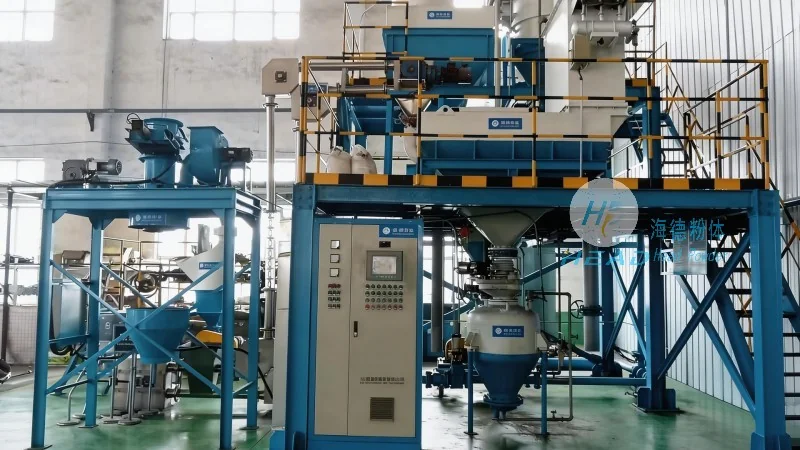
Implementing pneumatic conveying systems for lithium-ion battery positive and negative electrode materials offers numerous advantages for manufacturers. One of the most significant benefits is the reduction in manual handling, which minimizes human error and improves workplace safety. The automated nature of the system also enhances consistency in material processing, leading to more uniform electrode production and improved battery performance. Furthermore, the compact design of pneumatic conveying systems allows for efficient integration into existing production lines, optimizing space utilization in manufacturing facilities. The technology also contributes to lower operational costs by reducing energy consumption compared to traditional methods like belt conveyors, while simultaneously improving material handling speed and reliability.
Conclusion
HeadPowder Engineering Co., Ltd., based in Shandong, China, leverages advanced pneumatic conveying technology to address the specific needs of the lithium-ion battery industry. By understanding the working principles and characteristics of these systems, manufacturers can enhance their production processes, ensure material quality, and achieve higher efficiency in electrode material handling. The integration of such systems not only supports current production demands but also aligns with the evolving requirements of the battery sector, ensuring sustainable and high-performance manufacturing solutions.