

Working Principle and Characteristics of Pneumatic Conveying for Fine Sand and Stone Materials
HeadPowder, a leading engineering company based in Shandong, China, specializes in advanced material handling solutions, including pneumatic conveying systems designed for fine sand and stone materials. This article explores the fundamental working principle and key characteristics of such systems, providing a comprehensive overview for industry professionals seeking efficient and reliable material transport solutions.
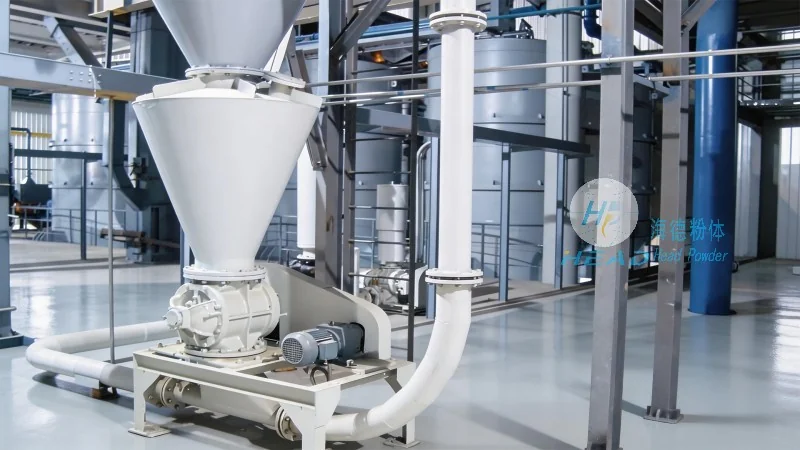
Pneumatic conveying, also known as air conveying, is a method of transporting bulk materials through a pipeline using a flow of pressurized or vacuum air. In the context of fine sand and stone materials, this technology is particularly effective due to the unique properties of these particles. The system typically consists of a hopper, a conveyor line, and a control unit, all working in tandem to ensure smooth material movement. The process begins with the material being fed into the hopper, where it is then drawn or pushed through the pipeline by the air flow. The air, often supplied by a blower or fan, creates a pressure differential that propels the particles forward, allowing for continuous and unobstructed transport.
The working principle of pneumatic conveying for fine sand and stone materials involves several critical steps. First, the material is loaded into the hopper, which acts as a storage and feeding device. The hopper is equipped with a feed valve that regulates the flow of material into the conveyor line. Next, the air is introduced into the system, either by creating a vacuum (in suction systems) or by applying pressure (in pressure systems). In suction systems, the air is drawn from the material stream, creating a negative pressure that pulls the particles along the pipeline. In pressure systems, the air is forced into the pipeline, pushing the material forward. The choice between suction and pressure systems depends on factors such as the distance to be covered, the material's characteristics, and the desired flow rate.
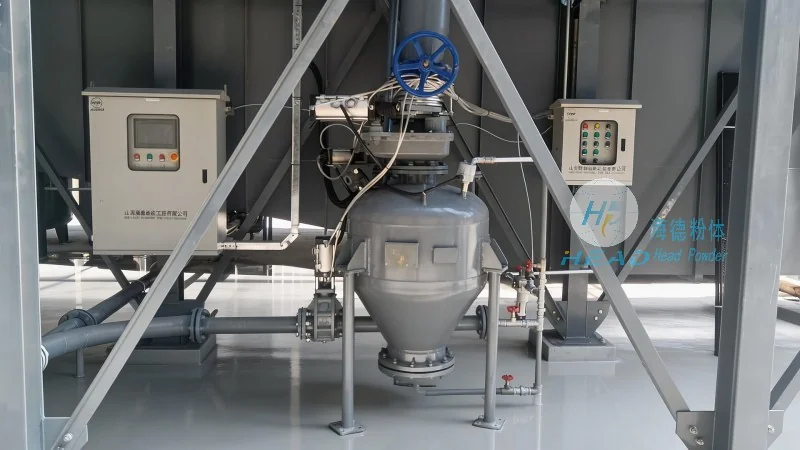
Key characteristics of pneumatic conveying systems for fine sand and stone materials include high efficiency, flexibility, and minimal maintenance requirements. Unlike traditional mechanical conveying methods, such as belt or screw conveyors, pneumatic systems do not require physical contact with the material, reducing wear and tear on components. This makes them ideal for handling abrasive or delicate materials like fine sand and stone, which can be easily damaged by friction. Additionally, pneumatic conveying systems can transport materials over long distances with minimal energy consumption, making them cost-effective for large-scale operations.
Another significant characteristic is the ability to handle a wide range of material sizes and shapes. Fine sand and stone particles vary in size and density, and pneumatic systems are designed to accommodate these variations. The system's design, including the diameter of the pipeline and the speed of the air flow, is optimized to ensure that all particles are conveyed effectively without clogging or segregation. This flexibility allows HeadPowder to customize systems to meet specific customer needs, ensuring optimal performance for diverse applications.
Furthermore, pneumatic conveying systems offer enhanced safety and hygiene compared to other material handling methods. Since the material is transported in an enclosed pipeline, there is no exposure to the environment, reducing the risk of contamination or dust emissions. This is particularly important for fine sand and stone materials, which may contain particles that are hazardous or require strict cleanliness standards. The enclosed system also minimizes the risk of accidents, as there are no moving parts exposed to the material stream.
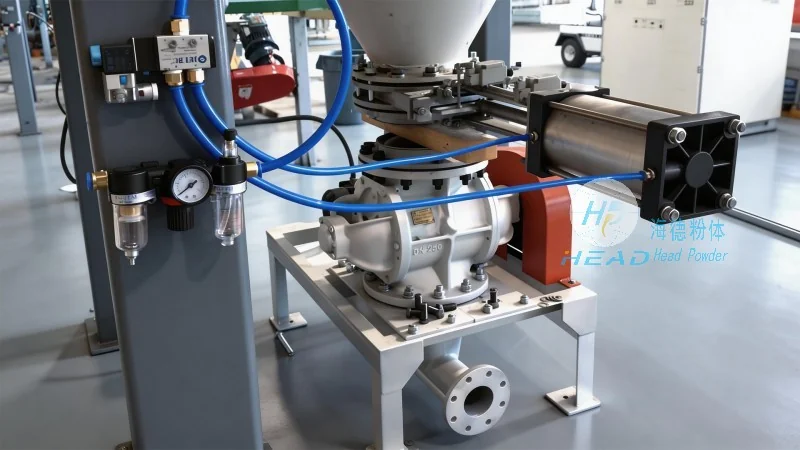
HeadPowder's expertise in pneumatic conveying systems for fine sand and stone materials is built on decades of experience and continuous innovation. The company's engineers work closely with clients to understand their specific requirements and design customized solutions that meet their operational needs. By leveraging advanced technology and rigorous testing, HeadPowder ensures that its systems are reliable, efficient, and durable, providing long-term value to its customers.
In conclusion, pneumatic conveying systems for fine sand and stone materials offer a superior alternative to traditional material handling methods. With their efficient working principle and distinct characteristics, these systems provide reliable and cost-effective solutions for transporting bulk materials. HeadPowder, with its commitment to quality and customer satisfaction, remains a trusted partner for businesses seeking advanced material handling solutions in the fine sand and stone industry.