

Working Principle and Characteristics of Pneumatic Conveying for Coal and Stone Powder Materials
HeadPowder, a leading engineering company based in Shandong, China, specializes in the design and implementation of pneumatic conveying systems for coal and stone powder materials. This article explores the fundamental working principles and key characteristics of such systems, providing a comprehensive overview for industry professionals and potential clients.
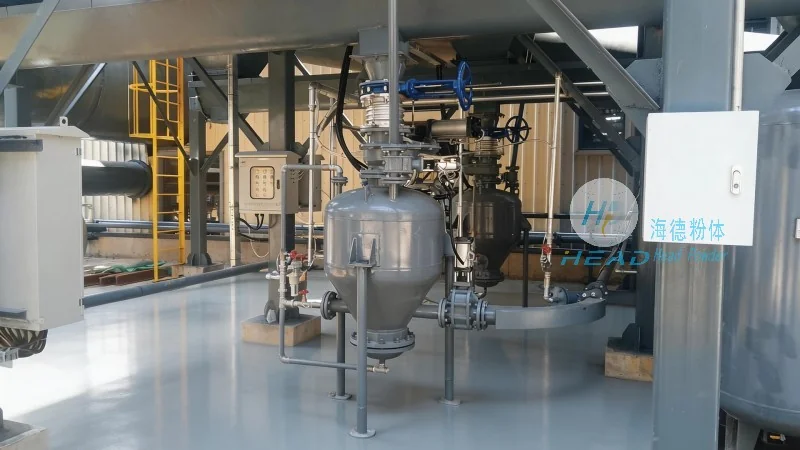
Understanding Pneumatic Conveying Systems
Pneumatic conveying, also known as pneumatic transport, is a method of transporting bulk materials like coal and stone powder through a pipeline using a stream of gas, typically air. The process involves creating a pressure differential within the system to move the material from the source to the destination. This technology is widely used in industries such as mining, power generation, and construction due to its efficiency and adaptability.
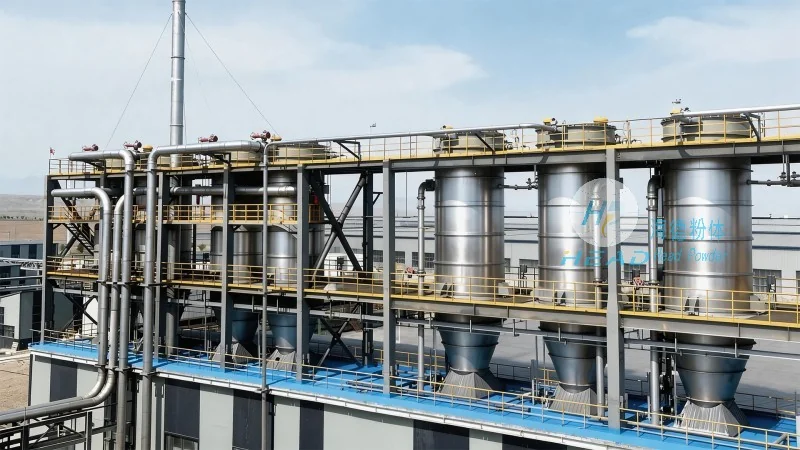
The Working Principle of Coal and Stone Powder Pneumatic Conveying
The core mechanism of a pneumatic conveying system for coal and stone powder involves several key components and steps. First, the material is fed into a hopper or feeder, where it is then introduced into a pipeline. Simultaneously, a fan or blower generates a high-velocity air stream that carries the material particles through the pipeline. The air flow creates a pressure difference, which propels the material forward. The system typically includes a series of pipes, valves, and control devices to regulate the flow and ensure smooth operation. At the destination, the material is separated from the air, often through a cyclone separator or a filter, and collected in a storage bin or processing unit. The air is then filtered and recirculated to maintain efficiency and reduce environmental impact. The working principle begins with material preparation: coal or stone powder is stored in a hopper or silo, then fed by a feeder to control the flow rate. A fan or blower generates a high-velocity air stream at the pipeline inlet, creating a pressure differential essential for transport. Material particles are entrained by the air and carried through the pipeline. Pipeline design, including diameter and length, is critical to maintaining air velocity and pressure. At the discharge point, a cyclone separator or filter separates material from air. The cyclone uses centrifugal force to separate heavier particles from air, allowing recirculation. The separated material is collected in a storage bin or transferred to the next stage. The entire process is controlled by a system of valves and sensors monitoring pressure, flow rate, and material level, ensuring optimal operation and preventing failures.
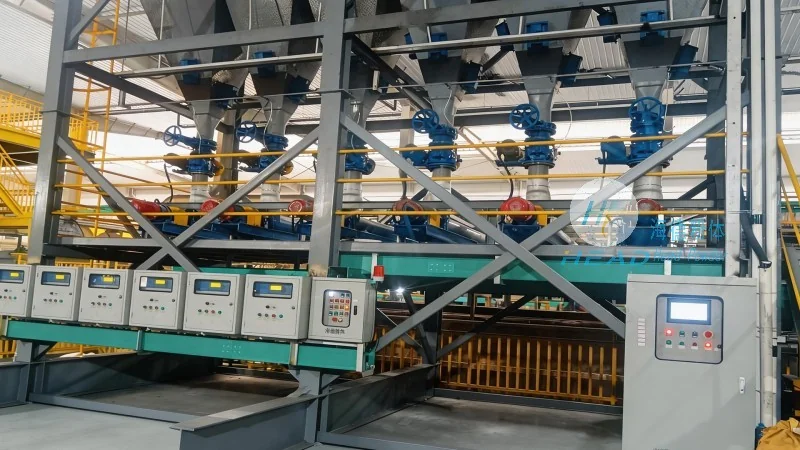
Key Characteristics of Pneumatic Conveying for Coal and Stone Powder
Several distinct characteristics define the performance and advantages of pneumatic conveying systems for coal and stone powder. Firstly, the system offers a high degree of flexibility in terms of layout and installation. Unlike traditional mechanical conveyors, pneumatic systems can be configured to follow complex routes, making them suitable for facilities with limited space or irregular layouts. Secondly, they provide excellent control over material flow, allowing for precise regulation of speed and quantity. This is crucial for processes that require consistent material delivery, such as in power plants or cement production. Thirdly, pneumatic conveying is highly efficient in terms of energy consumption and operational costs. By using air as the conveying medium, the system minimizes the need for moving parts and reduces maintenance requirements compared to mechanical alternatives. Additionally, the system is capable of handling a wide range of particle sizes and moisture contents, making it versatile for various applications. Finally, the technology offers enhanced safety features, as the material is contained within a sealed pipeline, reducing dust emissions and minimizing the risk of accidents.
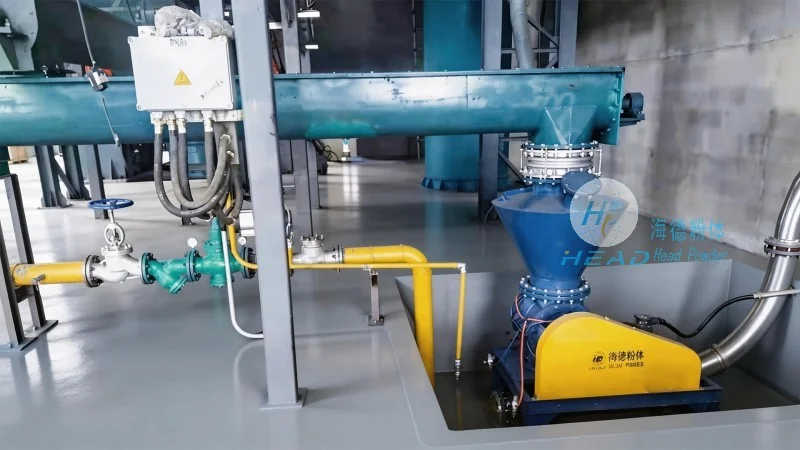
Applications and Benefits in Industry
The application of pneumatic conveying systems for coal and stone powder has become indispensable in modern industrial operations. In the power generation sector, these systems are used to transport coal from storage silos to boilers, ensuring a continuous and reliable fuel supply. In the construction industry, they facilitate the movement of stone powder and other raw materials to mixing plants, improving production efficiency. The benefits extend beyond operational efficiency; the systems also contribute to environmental sustainability by reducing dust pollution and improving workplace safety. Furthermore, the flexibility and adaptability of pneumatic conveying make it a preferred choice for companies looking to optimize their material handling processes and reduce downtime.